Top Lighting Solutions for 2025: Trends and Innovations You Can't Miss
As we approach 2025, the landscape of Lighting Solutions is evolving rapidly, driven by technological advancements and shifting consumer preferences. Industry expert Dr. Emily Hart, a renowned lighting designer and researcher at the Light and Space Institute, emphasizes the importance of staying ahead of the curve in this dynamic field. She asserts, "Innovative lighting solutions not only enhance aesthetic experiences but also improve functionality and sustainability in our living and working environments."
This statement highlights the dual role that Lighting Solutions play in modern architecture and design, where both form and function must coexist harmoniously. As we explore the trends and innovations shaping the future of this sector, it is evident that key developments such as smart lighting, energy efficiency, and adaptive designs will redefine how we perceive and interact with light.
In the following sections, we will delve into the most significant trends that are set to dominate the Lighting Solutions industry by 2025. From cutting-edge technologies that promote sustainability to design strategies that prioritize user well-being, the future of lighting promises to be brighter and more innovative than ever before.
Emerging Trends in LED Lighting Technologies for 2025
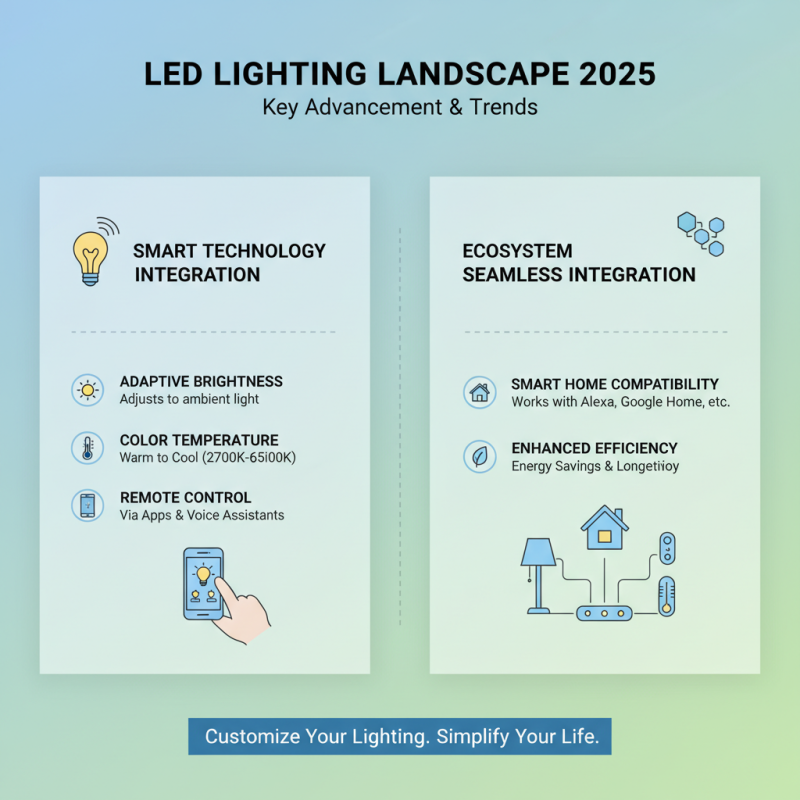
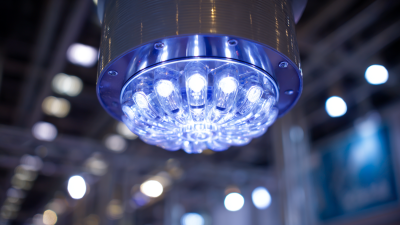
The LED lighting landscape is rapidly evolving, with exciting advancements expected in 2025. One of the most notable trends is the integration of smart technology into lighting systems. This includes features like adaptive brightness, color temperature adjustment, and remote control capabilities, allowing users to customize their lighting environment to suit various activities or moods. As smart home ecosystems become increasingly popular, the demand for LED fixtures that seamlessly integrate with these systems is set to grow, providing enhanced user convenience and energy efficiency.
Sustainability remains a key focus in LED technology, with innovations aimed at reducing environmental impact. Manufacturers are exploring biodegradable materials for fixture housings and more efficient manufacturing processes that minimize waste. Additionally, advancements in energy harvesting technology, such as solar-powered LED lights, are making outdoor and off-grid solutions increasingly viable. These trends not only promise to lower energy consumption but also reflect a broader commitment to sustainability within the lighting industry. As we approach 2025, the synergy between cutting-edge technology and environmental responsibility will drive the next generation of LED lighting solutions.
Sustainable Lighting Solutions: Innovations in Eco-Friendly Design
The push for sustainable lighting solutions has become more critical as we approach 2025. Innovations in eco-friendly design are leading the way in the development of energy-efficient lighting technologies that significantly reduce carbon footprints. These solutions include the integration of smart sensors that adjust light levels based on occupancy and natural light availability, ensuring that energy is not wasted. Furthermore, advances in LED technology are making it possible to create longer-lasting products that require less frequent replacement, thus reducing waste and resource consumption.
Another key trend is the use of sustainable materials in the manufacturing of lighting fixtures. Designers are increasingly opting for recycled and upcycled materials, from aluminum to plastics, that lower environmental impact without compromising aesthetics. Additionally, the concept of biophilic design is gaining traction, where lighting solutions incorporate elements that mimic natural lighting patterns. This approach not only enhances the ambiance but also promotes well-being, making eco-friendly lighting a seamless part of modern interior design. As we move towards a more sustainable future, these trends and innovations in lighting are pivotal in creating spaces that are both environmentally responsible and visually appealing.
Top Lighting Solutions for 2025: Trends and Innovations You Can't Miss
Smart Lighting Systems: Integrating IoT for Enhanced User Experience
The future of lighting technology is rapidly evolving, with smart lighting systems leading the charge by leveraging the Internet of Things (IoT) to create a more connected and user-friendly environment. According to a recent industry report, the global smart lighting market is expected to reach a staggering $90 billion by 2025, reflecting an annual growth rate of over 25%. This surge is largely fueled by the increasing demand for energy-efficient solutions and the growing focus on enhancing user experiences.
Integrating IoT into lighting systems not only facilitates automation and remote control but also enables real-time feedback and data collection. This connectivity allows users to customize their lighting settings based on personal preferences and activities, optimizing comfort and functionality. For instance, smart lighting can adjust brightness and color temperature based on the time of day or occupancy, thereby contributing to energy savings and improved ambiance.
Tip: To maximize the benefits of smart lighting, consider implementing motion sensors and dimmers, which can automatically adjust the light based on room occupancy and natural light levels. Additionally, integrating smart lighting with home automation systems can enhance user convenience and overall energy efficiency.
As we progress towards 2025, the integration of advanced technologies such as AI in smart lighting systems is also anticipated. This evolution will enable these systems to learn user habits and make autonomous adjustments, ensuring that lighting not only meets aesthetic demands but also supports well-being and productivity in our living and working spaces.
Tip: Stay updated with the latest advancements and product offerings in the smart lighting sector, and be open to adopting new technologies that align with your lifestyle needs and preferences to make the most out of your space.
Human-Centric Lighting: Advancements for Well-Being and Productivity
As we move closer to 2025, the demand for human-centric lighting (HCL) is expected to revolutionize how we interact with our environments. According to a report by the International Energy Agency, nearly 80% of the population now spends more than 90% of their time indoors. Consequently, the right lighting solutions can significantly enhance well-being and productivity. HCL focuses on adjusting lighting to align with human circadian rhythms, which not only improves mood but also enhances cognitive function, according to a study published in the Journal of Environmental Psychology.
To optimize your workspace for productivity, consider the following tips: First, incorporate daylight-mimicking LED lights with adjustable color temperatures that change throughout the day. Research indicates that exposure to cooler, blue-enriched light in the morning can boost alertness, while warmer tones in the evening help signal the body to wind down. Second, implement smart lighting systems that respond to occupancy. A study from the Lighting Research Center shows that areas utilizing responsive lighting saw a 30% increase in energy efficiency and a significant improvement in employee satisfaction.
By integrating these advancements, workplaces can create environments that foster innovation and enhance overall well-being. The future of lighting isn’t just about illumination; it’s about lighting that nurtures our biological needs, enabling us to thrive both personally and professionally.
The Future of Architectural Lighting: Aesthetic and Functional Innovations
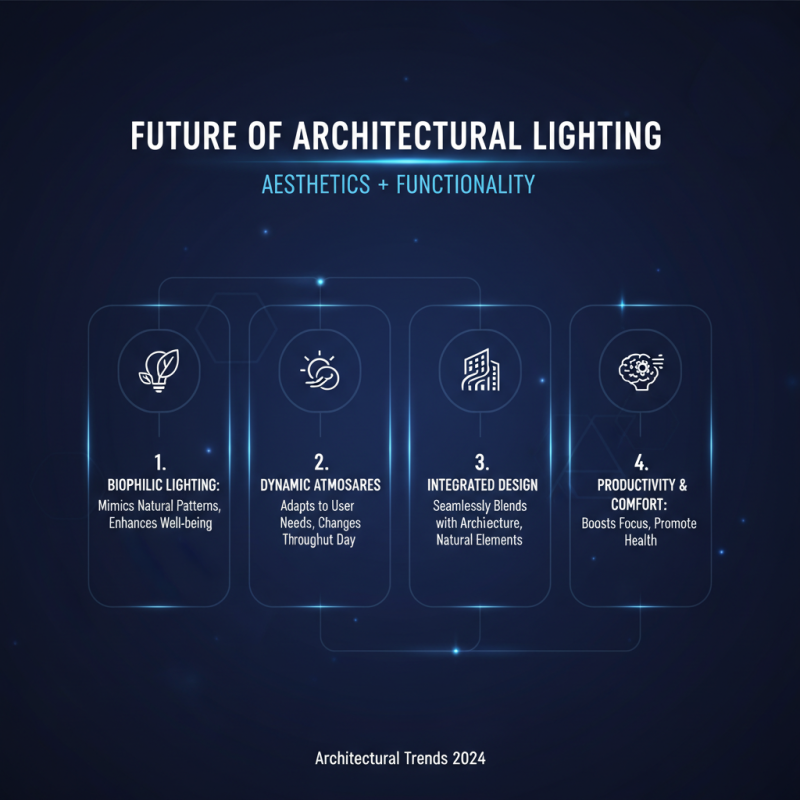
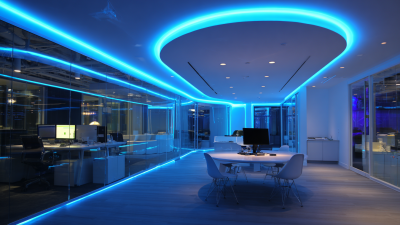
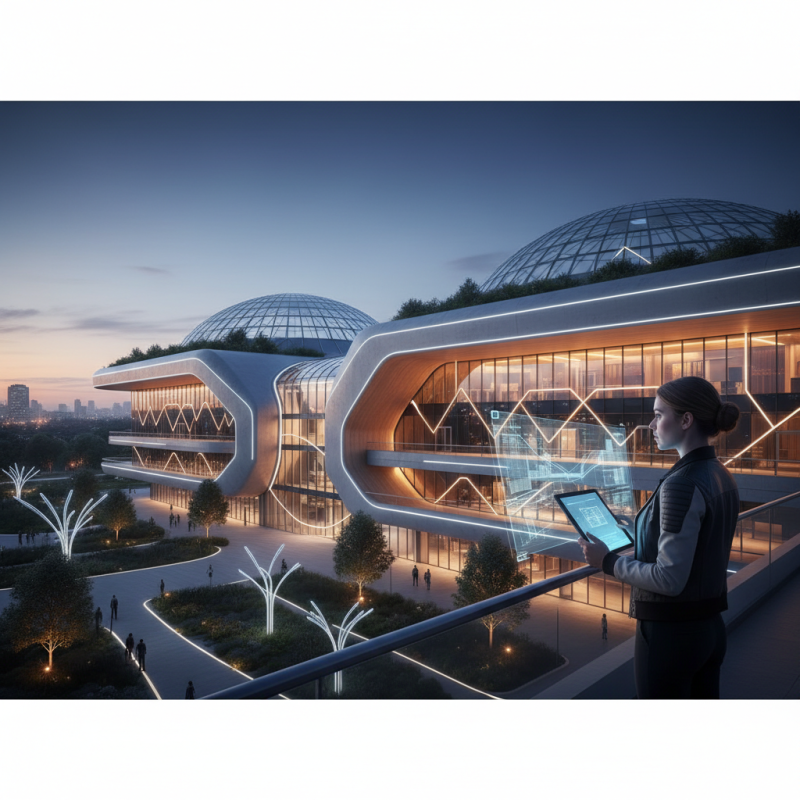
The future of architectural lighting is poised to merge aesthetics with functionality, creating spaces that not only look stunning but also enhance the way we interact with our environments. Innovative designs that incorporate natural elements, such as biophilic lighting, are becoming increasingly popular. These designs aim to mimic natural light patterns, promoting well-being and productivity within indoor spaces. As architects and designers embrace these trends, the focus will shift towards integrating lighting solutions that adapt to users' needs, creating dynamic atmospheres that change throughout the day.
In addition to biophilic lighting, the rise of smart technology in architectural systems is revolutionizing how we experience light. Intelligent lighting systems equipped with sensors and AI can automatically adjust brightness and color temperatures based on occupancy or time of day, ensuring optimum comfort and energy efficiency. The incorporation of wireless technologies allows for seamless control, enabling users to personalize their environments effortlessly. As these innovations continue to develop, the architectural lighting landscape will become more interactive and responsive, promising a future where aesthetics and functionality go hand in hand.