What Are the Top 10 Recessed Lighting Manufacturers?

Recessed Lighting has become a defining element in modern residential, commercial, and hospitality design. Its appeal is practical: clean ceilings, controlled beam angles, and less visual clutter. The U.S. Department of Energy reports that LED products use at least 75% less energy and last up to 25 times longer than incandescent lighting. These advantages help explain why LED downlights continue replacing older halogen and incandescent fixtures.

Market momentum is also measurable. The International Energy Agency identifies LEDs as a major efficiency opportunity across global lighting systems. Meanwhile, Grand View Research estimates continued expansion in the global LED lighting market, supported by construction, renovation, smart controls, and energy regulations. However, market reports often use different product definitions. Some include lamps, while others focus on complete luminaires. The ranking is not absolute.

This guide examines the top 10 Recessed Lighting manufacturers through practical industry criteria. These include optical performance, product reliability, certification practices, dimming compatibility, thermal design, warranty support, and manufacturing scale. Brand reputation matters, but it is not enough. A bright fixture may still create glare. A low-cost trim may show uneven color at the ceiling. Small details matter.

We also consider experience across real project conditions, from narrow residential hallways to high-ceiling retail spaces. Independent testing, published specifications, and installer feedback provide stronger evidence than advertising claims alone. Some conclusions remain open to debate. That is intentional. Buyers should compare beam spread, color rendering, IC ratings, wet-location suitability, and controls before choosing a manufacturer. A perfect list does not exist. The best choice depends on the ceiling, budget, maintenance plan, and people using the space.
What Are the Top 10 Recessed Lighting Manufacturers?

What Is Recessed Lighting and How Does It Work?

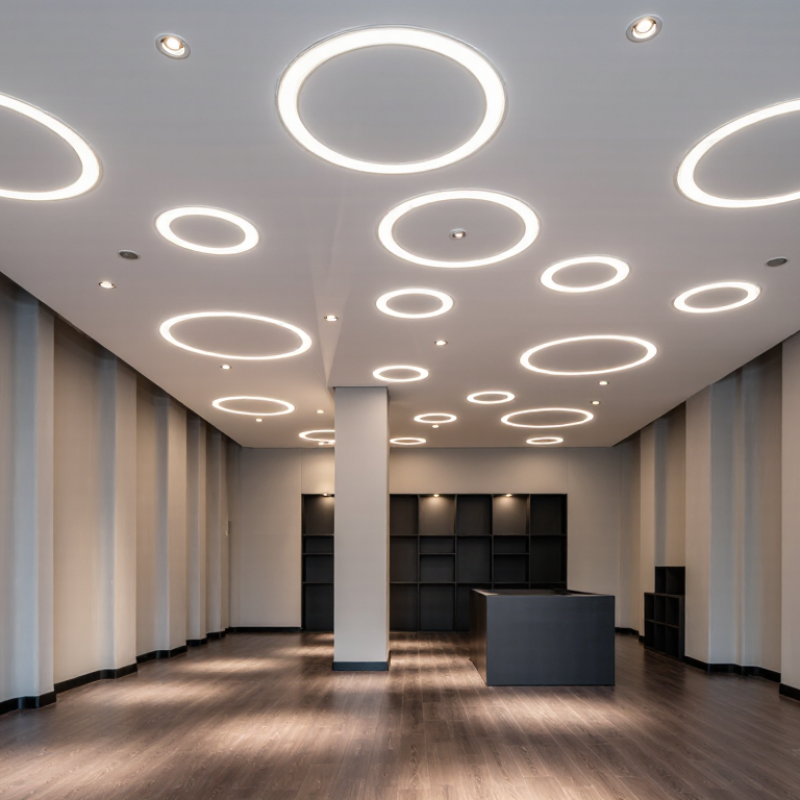
Recessed lighting is installed inside a ceiling, leaving only the trim and light opening visible. The fixture contains a housing, light source, driver, and reflector. The housing supports the unit above the ceiling, while the trim shapes its appearance and beam spread.

In practical installations, LED recessed lights are common because they produce strong illumination with lower energy use. The driver converts incoming electrical power for the LED module. Dimming requires a compatible driver, dimmer, and control system. If one component fails, flickering may appear. It happens more often than many homeowners expect.

Ceiling structure matters. New-construction housings attach before drywall, while remodel housings fit through an existing ceiling cutout. Insulation-contact ratings help prevent excessive heat near insulation. Airtight models can reduce unwanted air movement between rooms. Check the cutout diameter carefully. A small measurement error can leave an uneven gap.

Light quality also deserves attention. Lumens indicate brightness, while color temperature affects the room’s visual warmth. A lower temperature can create a softer living-room atmosphere. Higher color rendering helps kitchens, work areas, and retail displays show surfaces more naturally. Beam angle controls concentration: narrow beams highlight artwork, while wider beams distribute general light. Manufacturer reliability depends on testing, thermal design, warranty terms, replacement support, and verified electrical certifications. Some specifications look impressive on paper, yet real ceiling performance may differ. A careful installer should test dimming, glare, shadows, and heat before completing every fixture.

How Are the Top Recessed Lighting Manufacturers Evaluated?

What Are the Top 10 Recessed Lighting Manufacturers?

The top ten should be evaluated through measurable performance, not advertising claims. The IEA’s Energy Efficiency 2023 report estimates that lighting uses about 15% of global electricity. This makes efficiency a practical purchasing concern. Reviewers should compare lumens per watt, input power, beam distribution, dimming stability, and expected operating life. A strong manufacturer publishes LM-79 test results and LM-80 data for LED components. It should also explain TM-21 lumen-maintenance projections in clear language.

Color quality matters inside a real room. Look for CRI values, R9 performance, color-consistency ratings, and measured flicker. The U.S. Department of Energy’s solid-state lighting reports repeatedly identify efficacy, controls, thermal management, and reliability as major evaluation areas. These factors reveal whether a compact downlight can survive heat above a ceiling. Photographs cannot show that. Independent certification, warranty terms, replacement support, and documented factory testing add authority. Supply-chain transparency also deserves attention, although public information is often incomplete.

Installation experience can expose weaknesses quickly. A driver that hums, a trim that shifts, or a junction box that overheats should reduce the score. Energy Star qualification and local electrical compliance provide useful screening, but they do not replace hands-on inspection. A high efficacy figure may hide poor glare control. I would score total performance, not one impressive number. No ranking is perfect. Lighting conditions vary, and some published lifetime claims remain difficult to verify.

Which Companies Rank Among the Top 10 Recessed Lighting Manufacturers?

Which Companies Rank Among the Top 10 Recessed Lighting Manufacturers?

The top ten recessed lighting manufacturers usually stand out through reliable performance, design flexibility, and consistent quality control. They offer products for homes, offices, hotels, retail spaces, and outdoor-covered areas. Their product lines often include adjustable downlights, trimless fixtures, retrofit modules, and low-profile models. Good manufacturers publish photometric data, color-rendering results, and installation requirements. These details help lighting designers compare products without relying on attractive photographs alone.

Field experience reveals practical differences. A dependable manufacturer provides accurate ceiling cutout sizes, clear wiring diagrams, and secure mounting clips. Installers also notice heat management, glare control, and driver noise during real projects. Better products maintain stable color over time and support several dimming systems. Some manufacturers provide wet-location options, airtight housings, and multiple beam angles. These features matter when a fixture is installed above a shower, in a narrow hallway, or over a kitchen island.

Not every ranking is perfect. Product availability can change by region, and a strong commercial line may not suit residential work. Price comparisons can also mislead when warranties, testing, and replacement support differ. A thoughtful top-ten list should examine independent test reports, warranty terms, energy performance, and installer feedback. It should also check whether technical documents remain current. Small details matter. A fixture that looks excellent online may create harsh shadows after installation. Manufacturers earning a place among the top ten usually prove their value through repeatable results, transparent specifications, and responsive technical service.

How Do the Top Manufacturers Compare in Products and Technology?

Comparing the top ten recessed lighting manufacturers requires more than checking brightness or price. In field installations, product consistency often matters most. Contractors examine housing depth, trim fit, driver access, and ceiling compatibility. A shallow remodel housing can solve tight spaces, but it may sacrifice thermal performance. That trade-off deserves attention.

Product ranges differ widely. Some manufacturers focus on fixed downlights, while others offer adjustable gimbals, wall washers, and wet-location models. Useful options include selectable color temperature, high color rendering, and narrow beam optics. A kitchen may need crisp, low-glare light over counters. A bedroom usually benefits from softer output. Deep baffles reduce visual discomfort, although they can lower perceived brightness. This is where catalog numbers can mislead.

Technology comparisons should include dimming behavior, control compatibility, and long-term maintenance. Quality drivers should dim smoothly without flicker across common control systems. Smart models may support scheduling, occupancy sensing, or wireless integration. However, extra features can increase setup time and failure points. I have seen excellent specifications perform poorly when wiring, insulation clearance, or load calculations were ignored. Testing standards, thermal ratings, warranty terms, and published photometric data provide stronger evidence than promotional language. Even then, laboratory results cannot fully predict every ceiling condition. Manufacturers with broad product lines may offer more flexibility, but specialists sometimes deliver better optical precision. The strongest choice depends on the room, installation limits, control platform, and maintenance expectations.

How Can Buyers Choose the Right Recessed Lighting Manufacturer?

Choosing among the top ten recessed lighting manufacturers starts with the ceiling, not the catalog. A reliable buyer checks beam angle, trim size, lumen output, color consistency, and dimming performance. On a real project, a warm lamp can look different beside a cooler unit. That mismatch is easy to miss online. Ask for photometric files, sample units, warranty terms, and production lead times. Small details matter.

Professional buyers should examine how each manufacturer controls quality. Request test reports, material specifications, and clear electrical ratings. Confirm that products suit the intended ceiling depth, insulation contact, moisture exposure, and control system. Independent certifications add confidence, but buyers should verify their scope and current validity. A logo alone proves little. Speak with technical staff before ordering. Their answers often reveal whether support continues after payment.

Price deserves attention, but replacement labor can cost more than the fixture. Compare driver life, heat management, spare-part access, and failure procedures. I once favored a lower quotation and underestimated delivery risk; the savings disappeared after a redesign. That was my mistake. Leave room for inspection samples and field testing. Ask for a written color-tolerance policy. Also check packaging quality. Dented trims and scratched lenses create avoidable delays. The right manufacturer should match the project’s maintenance plan, installer skill, and long-term expectations.