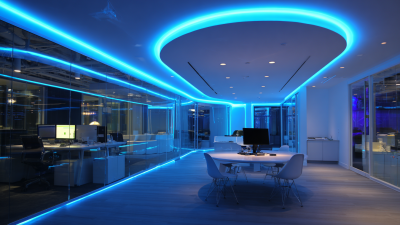
What is Led Lighting Benefits and Applications for Global Buyers?
Led Lighting has transformed the way we illuminate our spaces. This innovative technology offers numerous benefits for various applications worldwide. Richard Nelson, an industry expert, says, “LED lighting is the future of energy-efficient solutions.” His insights highlight both the technological advancements and environmental advantages of LED systems.
With lower energy consumption and longer lifespans, LEDs reduce operational costs significantly. This makes them ideal for homes, offices, and public infrastructures. Notably, they produce less heat, enhancing safety and comfort. However, challenges remain. Not all LEDs are created equal; quality can vary widely. Some buyers may face confusion when selecting suitable products.
When considering LED Lighting, understanding specific needs is essential. For instance, color temperature affects mood and productivity. Also, the initial investment can be daunting for some. But the long-term savings often justify the cost. Embracing this technology may seem overwhelming, yet the potential benefits are undeniable. Investing in LED Lighting is not just a trend; it is a step toward sustainability.
Overview of LED Lighting Technology
LED lighting technology has transformed the global lighting market with its energy efficiency and long lifespan. According to a report by the U.S. Department of Energy, LEDs use at least 75% less energy than traditional incandescent bulbs. This translates to significant savings for consumers and businesses alike. In fact, by 2027, LED adoption is expected to save the U.S. economy about $30 billion annually.
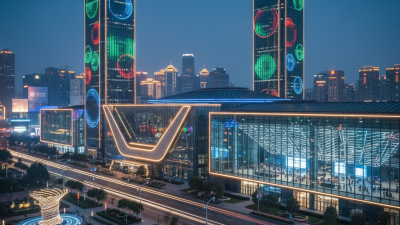
One unique aspect of LED technology is its versatility. LEDs come in various shapes and sizes suitable for residential, commercial, and industrial applications. They can be used for everything from architectural lighting to streetlights. Moreover, their capabilities are expanding; smart LED systems can now be integrated with IoT devices, allowing users to control lighting remotely.
Tip: When considering LED lighting, evaluate the color temperature. A warmer light can create a cozy atmosphere, while cooler tones are better for workspaces. Experiment with different settings to find what works best for you.
Still, challenges exist. Some consumers may find the initial cost of LED installation higher than traditional options. Despite this, the long-term savings often outweigh upfront expenditures. Moreover, the rapid evolution of technology means new features and designs frequently emerge, making it essential to stay informed and adaptable.
Key Benefits of LED Lighting for Consumers
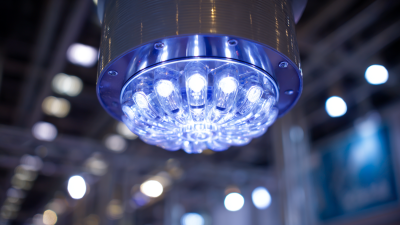
LED lighting has transformed how consumers approach energy efficiency and lighting solutions. One of the key benefits is its longevity. LED lights can last up to 25,000 hours compared to traditional bulbs. This means fewer replacements and reduced waste. Consumers can appreciate the savings on replacement costs over time. However, many still underestimate their lifespan.
The energy efficiency of LED lighting is also remarkable. These lights use up to 80% less energy than incandescent bulbs. This results in lower electricity bills and a reduced carbon footprint. Yet, some consumers might overlook the initial investment. It may feel higher than traditional options, but the long-term savings can be significant.
Additionally, the versatility of LED lights is noteworthy. They come in various shapes, sizes, and colors. This opens up design possibilities for interiors and exteriors. Despite these advantages, there is still some hesitation in adopting this technology fully. Consumers may need time to adapt and understand the full scope of benefits. Educating them about LED lighting can bridge this gap and enhance their experience.
Popular Applications of LED Lighting in Various Industries
LED lighting has revolutionized various industries with its unique advantages. In commercial sectors, vibrant LED lights enhance product displays. Retailers use LEDs to create inviting atmospheres that attract customers. This type of lighting offers energy efficiency, reducing operational costs. Many businesses report lower electricity bills after switching to LEDs.
In the industrial sector, LEDs play a crucial role in enhancing workplace safety. Bright, flicker-free light improves visibility in manufacturing plants. Workers can perform tasks with greater accuracy and less strain. Additionally, outdoor environments benefit from LED streetlights, which provide effective illumination at night. This increases safety for pedestrians and drivers alike.
Healthcare facilities utilize LED lights for better patient care. Proper lighting helps medical professionals accurately assess patients. Hospitals often favor adjustable LED fixtures, allowing for customized lighting based on procedures. However, some challenges remain. Not all lighting systems are compatible with existing infrastructure, requiring careful planning. Many industries still grapple with the initial cost of installation, despite long-term savings. These considerations highlight the importance of evaluating both immediate needs and future benefits when adopting LED technology.
Comparison of LED Lighting with Traditional Lighting Options
When comparing LED lighting with traditional options, several key differences emerge. LEDs have a longer lifespan, often lasting up to 25,000 hours. In contrast, incandescent bulbs typically last only 1,000 hours. This longevity means fewer replacements and reduced waste in landfills. Reliability is a significant factor, as LEDs are less prone to breakage. They are made from solid-state materials, making them durable and resistant to shock.
Energy efficiency is another important aspect. LEDs consume about 75% less energy than incandescent lights. This substantial decrease in energy use translates into lower electricity bills, beneficial for both households and businesses. However, the upfront cost of LED fixtures can be a concern. Some buyers hesitate due to higher initial investment compared to traditional bulbs. While the long-term savings are clear, the initial expense may require thoughtful consideration.
The versatility of LED lighting in applications is impressive. Their ability to emit various colors and adjust brightness is advantageous for different settings. Yet, some users find difficulties in choosing the right temperature for their needs. Additionally, the spectrum of light can affect mood and productivity. Not everyone may appreciate the cooler tones that LEDs often offer. Exploring personal preferences is vital to ensure satisfaction with lighting choices.
Future Trends and Innovations in LED Lighting Solutions
The future of LED lighting is filled with innovative solutions that enhance efficiency and sustainability. According to a recent report by the International Energy Agency (IEA), LED technology could contribute to a 50% reduction in global lighting energy consumption by 2030. This transition is not only about energy-saving; it’s also about shifting towards smarter cities and greener technologies.
New developments in LED lighting include tunable white technology. This innovation allows users to adjust color temperatures for different times of the day. Research shows that proper lighting affects productivity and well-being. Cities are starting to implement smart streetlights equipped with sensors, optimizing energy use based on real-time data. However, integration challenges exist, such as upgrading existing infrastructures.
Moreover, the rise of human-centric lighting is redefining applications in commercial and residential spaces. Studies indicate that lighting designed with user comfort in mind can boost mood by 20%. Yet, the reliance on technology poses concerns. Over-dependence on smart systems may lead to vulnerabilities, including data privacy issues. Balancing innovation with caution is essential as we embrace the future of LED lighting solutions.
What is Led Lighting Benefits and Applications for Global Buyers? - Future Trends and Innovations in LED Lighting Solutions
| Dimension |
Benefits |
Applications |
Future Trends |
| Energy Efficiency |
Lower energy consumption compared to traditional lighting |
Residential lighting |
Smart lighting integration |
| Longevity |
Longer lifespan reduces replacement costs |
Commercial spaces |
Advances in solid-state lighting technology |
| Color Temperature |
Variety of color temperatures for different applications |
Retail environments |
Customizable lighting solutions |
| Environmental Impact |
Reduced carbon footprint and less waste |
Outdoor lighting |
Integration with renewable energy sources |
| Design Flexibility |
Versatile in shapes and sizes for aesthetic appeal |
Architectural lighting |
Innovative design trends |