Why Choose Cast Stainless Steel for Your Projects?
In today's industrial landscape, cast stainless steel stands out as a vital material for various projects. This alloy is not just durable; it offers unique resistance to corrosion and wear. According to a market analysis by Research and Markets, the global cast stainless steel market is projected to reach $3.6 billion by 2026. Such growth reflects a rising preference for materials that provide longevity and strength in demanding environments.
Many industries, including automotive and construction, rely on cast stainless steel. Its ability to withstand high temperatures and harsh chemicals makes it a go-to choice. However, selecting cast stainless steel is not without challenges. The cost can be higher than lower-grade materials, and manufacturers must ensure quality during the casting process. This raises questions about sourcing and production standards.
Despite these hurdles, the advantages often outweigh the drawbacks. Cast stainless steel can enhance the lifespan of components and reduce maintenance needs. In an era where sustainability is key, investing in quality materials can also lead to long-term savings. Choosing cast stainless steel for your projects is both a practical and forward-thinking decision.
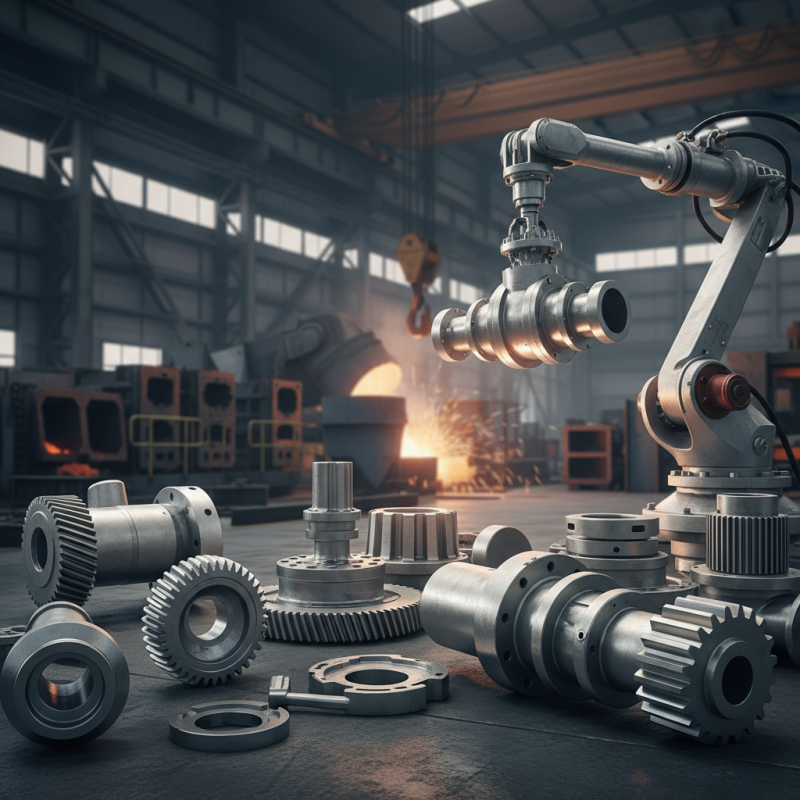
Benefits of Cast Stainless Steel in Construction Projects
Cast stainless steel offers numerous advantages for construction projects. One notable benefit is its corrosion resistance. According to a report by the International Stainless Steel Forum, stainless steel can withstand harsh environments. Structures exposed to moisture benefit greatly from this property. This resistance ensures durability and reduces maintenance costs over time.
Another advantage is its high strength-to-weight ratio. Cast stainless steel provides strength while remaining lightweight. This characteristic helps reduce the overall load on structures. A study from the American Institute of Steel Construction highlights that lighter materials can lead to easier transportation and installation. However, engineers must consider design implications carefully. Balancing weight and strength is essential.
Aesthetic appeal is also significant in construction. Cast stainless steel can be molded into various shapes and finishes. Architectural designs can take advantage of this versatility. However, achieving the desired finish often requires skilled craftsmanship. It’s crucial to recognize that higher production standards may increase costs. Despite these challenges, the long-term benefits often outweigh these initial hurdles.
Why Choose Cast Stainless Steel for Your Projects? - Benefits of Cast Stainless Steel in Construction Projects
| Benefit | Description | Example Applications |
| Corrosion Resistance | Cast stainless steel is highly resistant to corrosion, making it ideal for harsh environments. | Marine structures, chemical processing plants |
| Durability | It offers excellent mechanical properties, ensuring high durability and longevity. | Bridges, infrastructure elements |
| Design Versatility | Casting allows for complex shapes and designs that are difficult to achieve with other materials. | Architectural elements, bespoke components |
| Low Maintenance | Due to its corrosion resistance, cast stainless steel requires less maintenance than other materials. | Outdoor installations, industrial equipment |
| Aesthetic Appeal | Cast stainless steel has a modern and sleek appearance that adds to the visual appeal of structures. | Public art installations, decorative fixtures |
Durability and Corrosion Resistance of Cast Stainless Steel
Cast stainless steel is increasingly favored for various construction and manufacturing projects. Its exceptional durability and resistance to corrosion are primary reasons for this trend. Data from the International Stainless Steel Forum indicates that stainless steel can last more than 50 years in harsh environments without significant degradation. This longevity reduces the need for frequent replacements, thereby saving costs over time.
Corrosion resistance is particularly notable in cast stainless steel. The alloy's structure minimizes rust formation, which is essential in industries like marine, chemical, and food processing. According to the American Society for Testing and Materials, cast stainless steel can withstand environments with high chloride levels, where traditional materials often falter. This unique property ensures the integrity and safety of projects exposed to these challenging conditions.
However, challenges remain. Not all cast stainless steel alloys offer the same level of protection. Some may still suffer from localized corrosion. It's crucial to select the right grade based on specific project needs. It’s also important to consider the initial costs, which can be higher than other materials. Understanding how to navigate these factors is essential for maximizing the effectiveness of using cast stainless steel in projects.
Cost-Effectiveness of Using Cast Stainless Steel
Cast stainless steel is gaining popularity due to its cost-effectiveness in various industries. According to a recent report by the Steel Institute, cast stainless steel components can reduce manufacturing costs by up to 30%. This savings stems from the lower production expenses associated with casting versus machining. Furthermore, the durability and corrosion resistance of cast stainless steel extend the lifespan of equipment, leading to reduced maintenance costs.
Investing in cast stainless steel often results in long-term financial benefits. A study from the Materials Science Journal revealed that structures made from cast stainless steel last up to 50% longer than those made from traditional materials. These factors lead to lower replacement costs over time. However, the initial investment can be higher than standard steel. It's essential for project managers to weigh both short- and long-term costs.
In some cases, companies overlook the importance of proper design. Effective design mitigates production waste. Up to 15% of cast materials may be wasted without proper planning. Such oversights can offset potential savings. It is crucial to consider design efficiency early in the project lifecycle to maximize the benefits of cast stainless steel. Balancing costs with performance ensures that projects remain within budget, while also achieving high-quality results.
Versatility of Cast Stainless Steel in Various Applications
Cast stainless steel is a remarkable material, known for its versatility across various applications. In the construction sector, it provides strength and aesthetic appeal. Data shows that 60% of architects prefer it for structural elements due to its durability and ability to resist corrosion. The material is also useful in marine environments, where seawater exposure is a concern. The 2021 World Steel Association report highlights a rising trend of 15% in stainless steel use in shipbuilding.
In the food industry, cast stainless steel excels due to its hygienic properties. Processed foods often require stringent health standards. Cast stainless steel's non-porous surface makes it ideal for equipment like food prep tables and storage containers. Research indicates that 70% of food manufacturing relies on stainless steel for these reasons. Yet, some may overlook the energy costs associated with producing this material. When compared to alternatives, cast stainless steel is often more expensive, which can be a barrier for smaller businesses.
Many industries also utilize cast stainless steel for precision parts in machinery. Its ability to withstand high temperatures enhances its application in the automotive and aerospace sectors. However, improving the recycling processes for cast stainless steel remains a challenge. The current methods are not efficient enough to keep pace with rising demands. As usage increases, the industry must confront sustainability issues more effectively. Evaluating these aspects will be crucial for future growth and innovation.
Why Choose Cast Stainless Steel for Your Projects?
Cast stainless steel is known for its versatility across various industries. This chart displays the proportion of applications in different sectors, showcasing its importance in construction, automotive, food processing, marine, chemical, and pharmaceutical industries.
Manufacturing Process of Cast Stainless Steel Components
The manufacturing process of cast stainless steel components is intricate yet fascinating. It begins with selecting the right stainless steel alloy for the desired properties. The chosen materials are then melted together in a furnace. This process requires careful control of temperature and time. Too high a temperature can compromise the metal's integrity.
Once the alloy is molten, it is poured into molds. These molds are typically made from sand or steel. The cooling process is pivotal. It can take hours, depending on the thickness of the cast. Uneven cooling can lead to defects. Proper planning is essential here to minimize errors.
Tip: Regularly check the quality of your materials. Subpar alloys can result in weaker components.
After cooling, the components are removed from their molds. The surface often requires finishing to meet specifications. This might involve machining, grinding, or polishing. Each step must be monitored closely. Overlooking details can lead to costly mistakes.
Tip: Always conduct thorough inspections after finishing. Even small imperfections can affect performance. This diligence in manufacturing ensures a high-quality final product.
