How to Use Desizing Enzyme for Effective Fabrics Treatment?
In the textile industry, fabric treatment is crucial for quality. One effective method involves the use of desizing enzymes. These enzymes help remove unwanted substances from fabrics, such as starch. This process enhances the fabric's softness and performance.
desizing enzymes come in various types, each serving a different purpose. For instance, some target specific sizes while others work broadly. Understanding their application can lead to better results. However, improper use can lead to fabric damage. Hence, careful selection and application are vital.
Ultimately, using desizing enzymes requires knowledge and practice. It's not always straightforward, and challenges may arise. Experimentation and adjustments are part of the process. Embracing this may lead to improved fabric treatment outcomes.
Understanding Desizing Enzymes and Their Role in Fabric Treatment
Desizing enzymes play a crucial role in fabric treatment. They help remove the sizing agents used during weaving. Sizing agents can make fabrics stiff and less absorbent. By breaking them down, desizing enzymes improve the fabric's quality.
Understanding the types of desizing enzymes is important. There are amylases and cellulases, each tailored for specific fibers. Amylases target starch-based sizes, while cellulases work on cellulose fibers. Knowing these differences can enhance your fabric treatment methods.
Sometimes, the enzyme application process can be unpredictable. Factors like temperature and pH levels affect their efficiency. Inconsistent results can be frustrating. Regularly testing and adjusting these conditions is essential. Each fabric may respond differently, and trial and error may be necessary.
Types of Desizing Enzymes Used in Textile Processing
Desizing enzymes play a crucial role in textile processing, specifically during the removal of size materials from fabrics. These enzymes facilitate smoother fabric finishing and enhance dye uptake. The primary types used include amylases, cellulases, and proteases. Each enzyme serves unique functions, targeting specific types of sizing agents.
Amylases are widely applicable, particularly in cotton processing. They efficiently break down starches, which are common sizing agents. Reports suggest that utilizing amylases can improve the fabric's absorbency by up to 30%. Cellulases, on the other hand, are valuable for cotton and blended fabrics. They help in reducing pilling and enhancing the overall softness of textiles. However, overuse can lead to unintended fiber damage, requiring careful consideration during application.
Proteases are utilized to degrade protein-based sizes, often found in wool and synthetic fabrics. Their effectiveness can vary significantly based on factors like pH levels and temperature. For example, one study indicated that optimally adjusted protease activity can increase dye affinity by nearly 20%. Yet, achieving the right balance is challenging, as excessive degradation can weaken the fabric structure. This highlights the importance of precise enzyme selection and application techniques in textile desizing practices.
How to Use Desizing Enzyme for Effective Fabrics Treatment? - Types of Desizing Enzymes Used in Textile Processing
| Enzyme Type | Source | Optimal pH | Temperature Range (°C) | Application | Benefits |
| Alpha-Amylase | Bacterial | 6.0 - 7.0 | 50 - 70 | Cotton, Viscose | Rapid desizing, enhanced fabric quality |
| Cellulase | Fungal | 4.5 - 7.0 | 50 - 60 | Cotton, Denim | Improved softness, reduced pilling |
| Protease | Bacterial | 7.0 - 9.0 | 30 - 50 | Wool, Silk | Effective removal of sizing agents |
| Xylanase | Bacterial | 5.0 - 6.5 | 45 - 65 | Paper, Cotton | Enhances brightness and smoothness |
Preparation Steps Before Applying Desizing Enzymes
Before applying desizing enzymes, proper preparation is crucial. Start by thoroughly understanding the fabric type. Each fabric reacts differently to desizing treatments. Familiarize yourself with the specific requirements and conditions for optimal enzyme performance. This might involve researching recommended temperatures and pH levels.
Ensure that the fabrics are clean and free of contaminations. Any residual chemicals can hinder enzyme effectiveness. A gentle wash with neutral detergent may be necessary. Rinse well, as any soap left can interfere. Dry the fabric if required, but avoid high heat.
Tips: Always conduct a small patch test first. This will help you gauge the fabric's reaction to the enzyme. Use appropriate safety gear, including gloves and goggles, to protect yourself. Adjust treatments based on initial observations. If results aren't as expected, reconsider the enzyme concentration or treatment duration. Observe closely, as this can reveal essential details about the process. Each fabric tells a different story.
Application Methods for Effective Use of Desizing Enzymes
Desizing enzymes are essential for fabric treatment. They remove size materials like starch, ensuring a clean surface for dyeing. Effective application methods greatly influence the result.
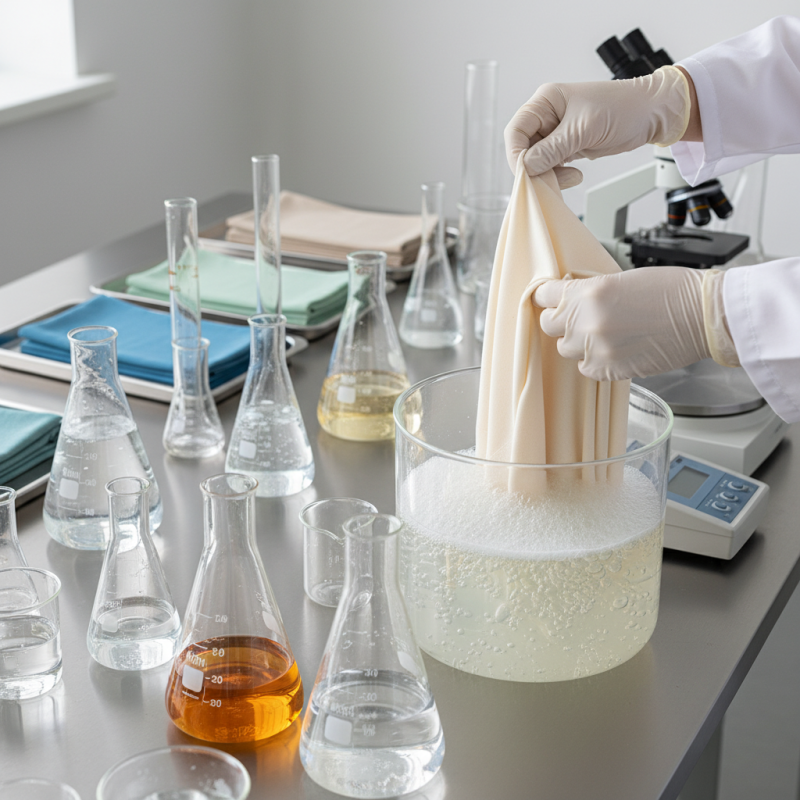
For a uniform application, use a spray method. Mix the enzyme solution with water at the correct concentration. Remember to test on a small fabric swatch first. This step can prevent unexpected damage. Alternatively, submerging fabrics in an enzyme bath can be effective. Maintain the right temperature for optimal activity.
Tips: Always monitor the time and temperature closely. Over-exposure can lead to fabric damage. Adjust enzyme concentration based on fabric type. Each fiber reacts differently.
It's crucial to assess your fabric’s condition before treatment. Some fabrics might shrink or discolor. Pre-testing isn’t just suggested; it’s necessary. Observing enzyme activity and adjusting the method can elevate the outcome significantly. Be prepared for trial and error.
Best Practices for Post-Treatment Handling of Fabrics
After using desizing enzymes, handling fabrics properly is crucial. Rinse the fabrics thoroughly. This step removes residual enzymes and prepares the textiles for further processing. Use cold water for rinsing to prevent damage. Ensure that the fabrics are not bunched up; spread them out in the rinse.
Drying is equally important. Avoid direct sunlight as it might cause fading. Instead, opt for a shaded area. If using a dryer, select a low heat setting. High temperatures can weaken the fibers. Always check the fabric's moisture content before storage. Overly damp fabrics can develop mildew and odors.
Finally, store the treated fabrics in a cool, dry place. Use breathable bags if necessary to avoid moisture buildup. Regularly inspect stored fabrics for any signs of wear or damage. This is often overlooked and can lead to issues later on. By taking these precautions, you can ensure the longevity and quality of the treated fabrics.
Desizing Enzyme Effectiveness in Fabric Treatment