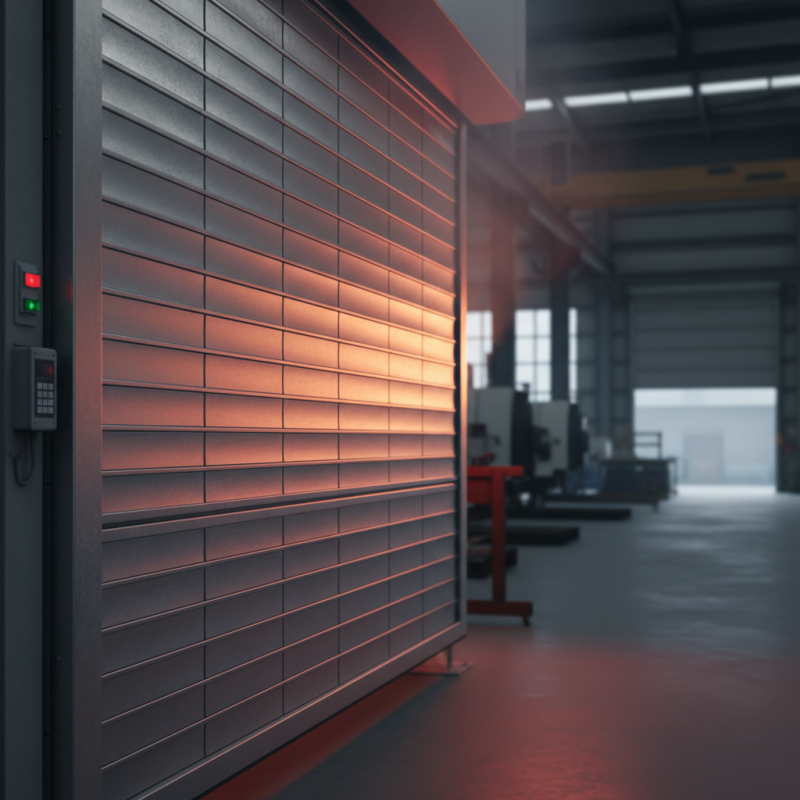
Top 5 Tips for Choosing an Automatic Fire Shutter?
Choosing the right Automatic Fire Shutter can be a crucial decision for safety. These devices play a vital role in fire protection by preventing the spread of flames and smoke. However, not all fire shutters are created equal. Understanding your needs is essential before making a choice.
When selecting an Automatic Fire Shutter, several factors come into play. Consider the material, size, and specific safety regulations. A well-designed shutter can save lives and property. But it’s also easy to overlook details. A shutter that seems perfect at first might not fit your space or meet local fire codes.
Reflecting on your options and doing thorough research is important. Investing time in understanding different models can make a significant difference. The right choice enhances safety and peace of mind. Don't settle for less when it comes to protecting your property.
Understanding the Importance of Automatic Fire Shutters in Safety
Automatic fire shutters play a crucial role in enhancing safety in buildings. They help contain fires and limit their spread. By controlling smoke and flames, these shutters protect vital escape routes. This can save lives during emergencies. Their importance cannot be overstated, especially in high-traffic areas.
When choosing automatic fire shutters, consider the activation mechanism. It's essential to understand how the shutter operates. Some rely on smoke detection, while others may use heat sensors. Ensure the type you select aligns with your building's specific needs.
Also, check the materials used. High-quality materials ensure durability and effectiveness. Look for shutters that can withstand high temperatures. This feature can make a significant difference in the event of a fire. Focus on certifications as well; they indicate compliance with safety standards.
Lastly, consider maintenance requirements. Regular checks keep shutters in working order. Neglected equipment can fail when needed most. Reflect on your building's fire safety strategy and ensure it includes adequate training for personnel. An informed response plan enhances the effectiveness of your fire shutters significantly.
Top 5 Tips for Choosing an Automatic Fire Shutter
This chart illustrates the top five key factors to consider when choosing an automatic fire shutter. Each factor is rated on a scale from 1 to 10 based on its importance in ensuring safety and effectiveness in fire prevention.
Evaluating Different Types of Automatic Fire Shutters for Your Needs
Choosing the right automatic fire shutter can be challenging. Evaluating various types is essential. Each type serves a specific need. Consider your building's layout and design. This will influence your decision.
One important tip is to assess the material. Metal shutters are durable but heavier. Fabric options are lightweight but may not withstand extreme heat. Check for local fire safety codes to ensure compliance.
Think about the operational mechanism, too. Some shutters are automatic, triggered by smoke detectors. Others may require manual controls. This aspect can greatly affect convenience during emergencies.
When selecting a fire shutter, don't overlook installation requirements. The placement should be strategic. A poorly installed shutter may not function properly. Ultimately, the best choice combines safety, functionality, and adaptability to your space.
Key Features to Consider When Selecting an Automatic Fire Shutter
When selecting an automatic fire shutter, several key features deserve close attention. Fire resistance ratings are crucial. Look for products that meet or exceed relevant standards, such as those set by the National Fire Protection Association (NFPA). Data shows that the right safety barriers can reduce damage in case of fire by up to 50%. This statistic highlights the importance of choosing a shutter that has been rigorously tested.
Another essential feature is the ease of operation. Automatic fire shutters should respond quickly during an alarm. Research indicates that response times of less than 10 seconds are ideal for effective containment. Additionally, think about the materials used. Steel options can offer better durability, which is important in high-traffic areas. However, not all steel materials are created equal. Be aware of potential corrosion issues, especially in humid environments.
Lastly, ensure that the installation process is straightforward. Complicated setups can lead to mistakes. Surveys reveal that more than 30% of fire prevention systems fail during actual events due to poor installation. It’s a reminder to invest in quality over convenience. Without particular attention to these aspects, the benefits of fire shutters may not reach their full potential.
Assessing Compliance with Fire Safety Regulations and Standards
When selecting an automatic fire shutter, compliance with fire safety regulations is crucial. Standards vary by region and industry, and understanding them can be tricky. It’s essential to start by researching local codes. These regulations often dictate installation procedures and materials used. A small misunderstanding can lead to significant issues down the line.
Another key point is to consider certification. A shutter needs to meet specific performance criteria. Look for products that are tested and certified by recognized authorities. These certifications ensure the shutter functions correctly in emergencies. Remember, a shutter may look good, but if it fails to comply with standards, it’s not worth the risk.
Also, keep in mind that feedback from users is invaluable. Seek out reviews and case studies. Common experiences can shed light on potential pitfalls. Sometimes, even small details can make a difference. For instance, ease of operation can influence how successfully a shutter performs under pressure. Regularly reflect on these factors to ensure that your choices align with safety requirements.
Top 5 Tips for Choosing an Automatic Fire Shutter
| Tip | Description | Compliance Standards | Maintenance Considerations |
| Understand Fire Ratings | Choose shutters that meet specific fire resistance ratings based on building codes. | ASTM E119, UL 263 | Regularly inspect and ensure that the fire rating label is visible and intact. |
| Check Local Regulations | Consult local fire safety regulations to ensure compliance. | Local Fire Codes | Stay updated on any changes in local fire safety legislation. |
| Evaluate Installation Options | Select models that can be installed with ease in your building's layout. | NFPA 80 | Ensure professionals conduct installation to meet safety standards. |
| Inspect Material Quality | Use shutters made from high-quality materials that offer durability. | ISO 9001 | Periodically check for signs of wear or deterioration. |
| Plan for Regular Maintenance | Schedule routine checks to ensure shutters are functioning correctly. | NFPA 25 | Document all maintenance activities as proof of compliance. |
Installation and Maintenance Factors for Long-lasting Performance
When selecting an automatic fire shutter, installation and maintenance are crucial for optimal performance. A recent industry report indicates that improper installation accounts for nearly 30% of fire safety system failures. Ensuring your fire shutter is fitted by qualified professionals is essential. They should consider factors like building layout and fire safety regulations specific to your location. Attention to these details can significantly affect the shutter’s functionality.
Regular maintenance is equally important. Studies show that well-maintained fire shutters have a lifespan 20% longer than those neglected. Routine inspections should include checking the motor, control systems, and any potential obstructions. It's easy to overlook these elements, yet they play a vital role in performance. Documentation of maintenance activities should be meticulous. This practice helps in identifying recurring issues and adjusting your maintenance schedule accordingly.
In reality, many facilities struggle with these aspects. Budget constraints or lack of trained personnel often hinder proper upkeep. This leads to potential safety risks. It's critical to evaluate your resources for ongoing maintenance and address any gaps proactively. Balancing cost with safety will ultimately determine the effectiveness of your fire shutter system.