Top 10 LED Film Applications You Need to Know About?
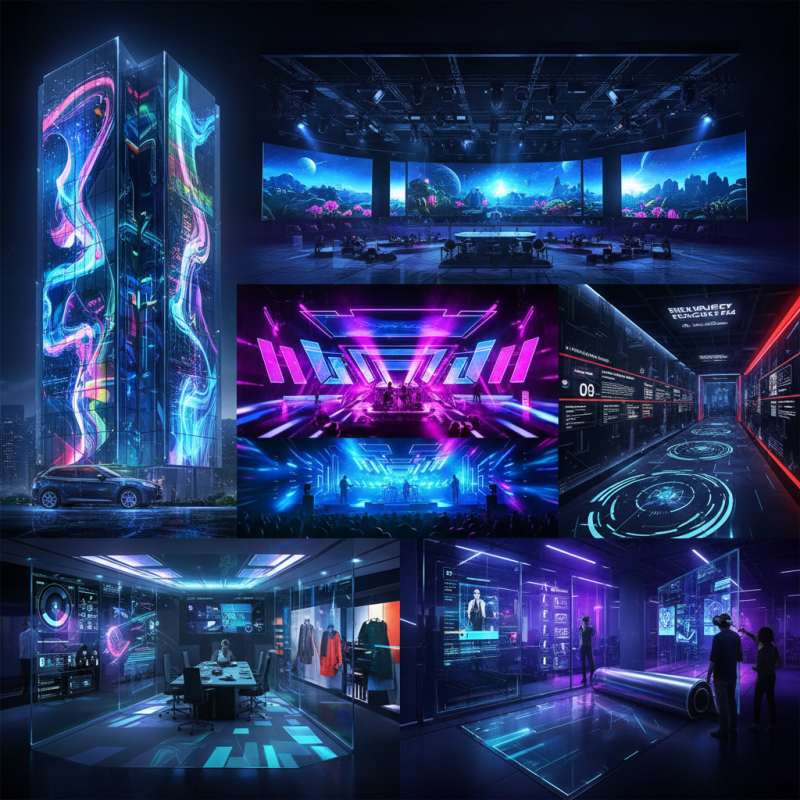
LED Film technology has revolutionized the way we create visual content. From film production to interactive installations, its impact is undeniable. This guide explores the top ten applications of LED Film, shedding light on its versatility and potential.
In the realm of film and television, LED Film serves as a dynamic backdrop. It provides stunning visuals that enhance storytelling. Directors and cinematographers cherish its adaptability. In live events, LED Film captivates audiences with vibrant displays. The immersive experience draws viewers into the action.
However, with innovation comes challenges. Not all applications maximize the technology's potential. The learning curve can hinder new users, leading to underwhelming results. Reflecting on these aspects is crucial for those looking to harness LED Film effectively. Understanding its strengths and limitations can lead to outstanding creative endeavors.
Overview of LED Technology in Film Production
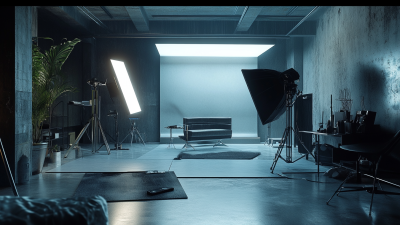
LED technology has revolutionized film production in recent years. With energy efficiency and versatility, LED lights have gained popularity among filmmakers. A recent report indicated that the global LED lighting market in filmmaking reached approximately $800 million in 2021, exhibiting a growth rate of over 15% annually. This shift has made it more accessible for various production budgets.
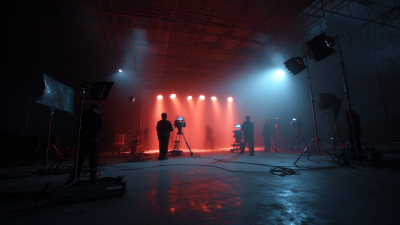
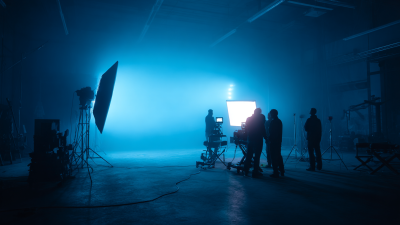
These lights produce less heat compared to traditional film lighting. This allows for longer shooting hours without discomfort for cast and crew. Additionally, the ability to adjust color temperature easily enhances creativity. Filmmakers can now achieve desired moods swiftly. However, the rapid adoption of LED tech also raised questions about quality consistency. Color accuracy can vary significantly between products, impacting the final image.
Using LED tech might seem seamless, yet its integration is not without challenges. Some professionals still rely on traditional lights for specific looks. The spectrum quality of LEDs can sometimes fall short. As filmmakers continue to experiment with these technologies, a balance must be struck. The promise of LED lighting is undeniable, yet it invites scrutiny regarding long-term reliability and performance.
Top 10 LED Film Applications You Need to Know About
Key Advantages of Using LED Lights in Cinematography
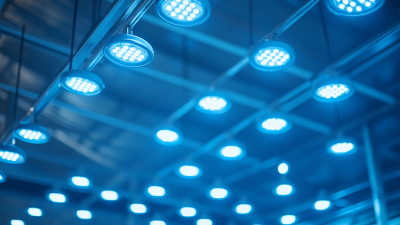
LED lights have revolutionized cinematography by providing several key advantages. They consume up to 75% less energy than traditional lighting sources, as reported by the U.S. Department of Energy. This reduction in energy usage is significant, especially for extended filming sessions. Lower energy consumption translates to reduced costs on set, making LED technology appealing for budget-conscious productions.
One of the standout features of LED lights is their ability to produce customizable color temperatures. This flexibility allows filmmakers to create specific moods or atmospheres, enhancing storytelling. A study published by the International Journal of Film Studies highlighted that lighting affects 70% of a film's aesthetic. When filmmakers can adjust the color tone easily, it opens up creative possibilities.
Despite these advantages, reliance on LED technology has its downsides. Some filmmakers report that the quality of light can sometimes feel harsh compared to traditional options. Additionally, the rapid evolution of LED technology might lead to inconsistencies in color rendering across different models. This inconsistency could complicate continuity in scenes. Filmmakers must weigh these factors when choosing LED lights for their projects.
Top 10 Innovative Applications of LED Lights in Filmmaking
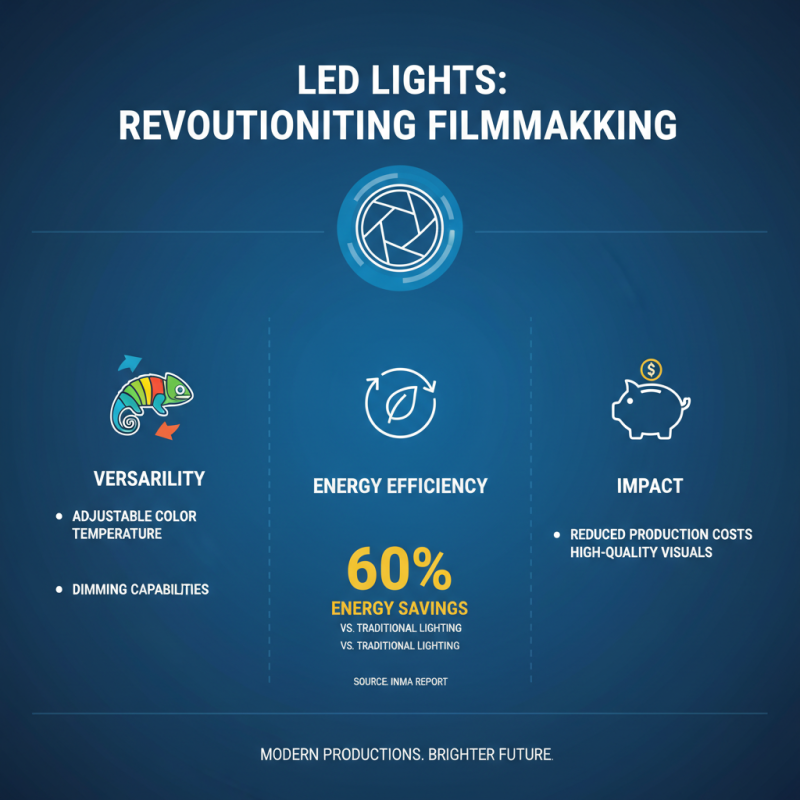
LED lights have revolutionized the filmmaking industry. Their versatility and energy efficiency make them essential for modern productions. According to a report by the International News Media Association, LED lighting can save up to 60% in energy costs compared to traditional lighting. This significant reduction helps filmmakers stick to tight budgets while maintaining high-quality visuals.
One innovative application of LED lights in filmmaking is their use in dynamic set designs. Filmmakers can rapidly change lighting colors and intensities. This flexibility adds depth to scenes and enhances storytelling. Additionally, the ability to program lighting cues can streamline production processes, allowing for faster setups. However, it can be challenging to achieve the desired ambiance with constant modifications. Some filmmakers find this technology overwhelming, causing delays during shoots.
Another area where LED technology shines is in virtual production. By creating immersive environments, filmmakers can place actors in diverse settings without needing extensive location shoots. Reports indicate that LED screens can achieve over 90% accuracy in colors and brightness levels. Yet, the initial costs for this technology can be high, limiting access for smaller productions. Balancing innovative techniques with budget constraints remains a critical challenge in the industry.
Impact of LED Lighting on Film Quality and Aesthetics
LED lighting has revolutionized the film industry, impacting both quality and aesthetics. The precise control of color temperature allows filmmakers to craft specific moods. For instance, warm tones can evoke intimacy, while cooler shades create tension. This versatility enhances storytelling, visually guiding audiences through emotional landscapes.
However, the rapid adoption of LED technology is not without challenges. Some filmmakers complain about the unnatural quality of light. It can sometimes create harsh shadows or flat images. Balancing LED's brightness with other light sources remains a concern. This requires thoughtful planning and experimentation.
Moreover, color accuracy can vary significantly between LED fixtures. Achieving the desired effect often demands tedious calibration. Some filmmakers find themselves stuck in trial-and-error phases. Despite these hiccups, the benefits typically outweigh the downsides. The efficiency and convenience of LED lights are game-changers in fast-paced shoots.
Future Trends of LED Technology in the Film Industry
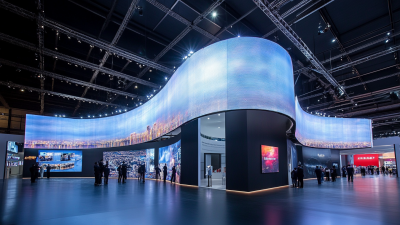
The film industry is rapidly evolving with LED technology. This innovation offers brighter displays and greater energy efficiency. Filmmakers are increasingly adopting flexible LED screens. These screens allow for better lighting control and dynamic backgrounds. They are becoming vital tools for realistic scenes. The use of LED technology transforms how movies are made.
As filmmakers explore new creative avenues, trends emerge. Virtual production is gaining traction. It creates immersive environments using LED screens. This method reduces the need for extensive physical sets. The real-time rendering capability of LED technology offers instant feedback. This allows directors to make quick adjustments. However, there are challenges. High costs and technical requirements can be hurdles for small productions.
The future of LED in film appears promising but complex. As the technology develops, it may become more accessible. Artists may need to adapt their skills to leverage this technology. The balance between traditional film methods and digital innovation will require thoughtful reflection. Embracing limitations can lead to unexpected creativity. The landscape of filmmaking is continuously changing, and so must the filmmakers.