Top Bedding Fabric Suppliers in 2026 What to Look For?
The bedding fabric suppliers landscape is evolving rapidly. As we look to 2026, important trends are shaping the industry. According to a recent report by Market Research Future, the global bedding market is projected to reach USD 86 billion by 2026. This growth is driven by increasing consumer awareness about sleep quality.
Choosing the right bedding fabric suppliers is crucial. Their fabric quality can directly influence comfort levels and overall satisfaction. Quality does not always mean high price, making it challenging for consumers. Furthermore, sustainability is becoming a key focus for many brands. A survey from Statista indicated that over 70% of consumers prefer eco-friendly materials.
In this competitive market, suppliers are also adapting technology. This varies from innovative fabric blends to enhanced distribution methods. Nevertheless, some smaller suppliers still struggle to keep up. Many still rely on outdated practices. These discrepancies present opportunities for brands and consumers to reflect on their choices. The right research can lead to better selections in bedding.
Top Trends in Bedding Fabrics for 2026
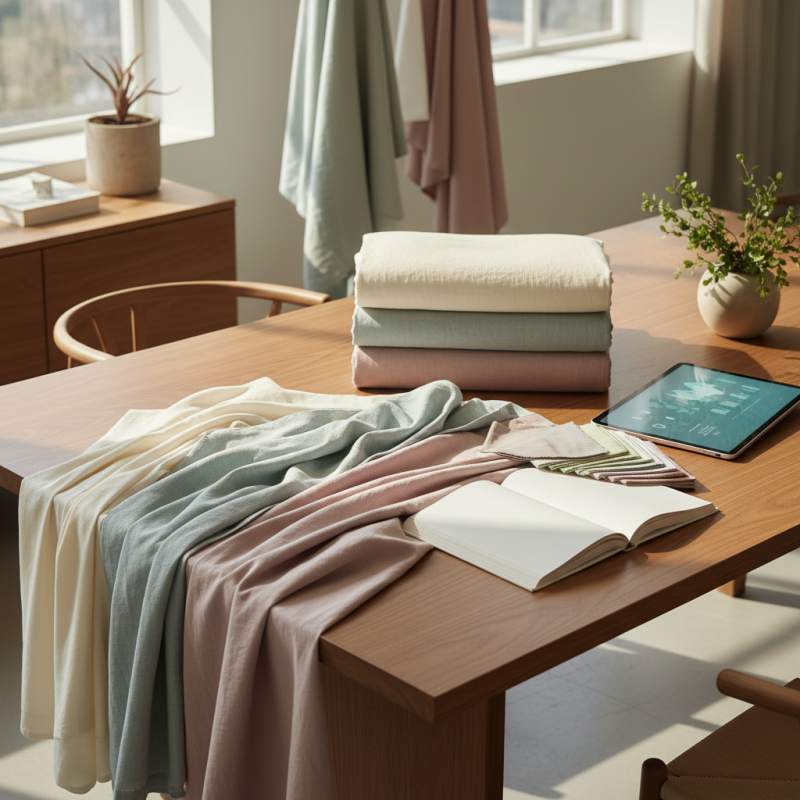
In 2026, bedding fabrics will showcase exciting trends. Consumers are increasingly looking for eco-friendly options. Sustainable materials like organic cotton and bamboo are gaining traction. These fabrics not only feel good but also help the planet.
Texture will play a crucial role. People are favoring rich, tactile fabrics. Velvet and linen are becoming popular choices, adding luxury to sleep spaces. Contrast in textures can make bedding visually dynamic. Choosing a mix can enhance comfort and style at once.
Color palettes are shifting too. Soft pastels and earthy tones are emerging as favorites. These hues create a calming atmosphere. However, not everyone may embrace these softer shades. Some might prefer bolder colors for a vibrant touch. No matter the preference, trends reflect a desire for personalization. It's a journey to find what best suits individual tastes.
Key Qualities to Consider in Bedding Fabric Suppliers
When selecting bedding fabric suppliers in 2026, several key qualities stand out. Durability is critical. Fabrics must withstand regular washing and wear while maintaining their appearance. According to a recent industry report, around 70% of consumers prioritize longevity when choosing bedding materials. This need for durability drives suppliers to innovate continually.
Another essential quality is the sustainability of materials. More consumers are choosing eco-friendly options. Reports indicate that 58% of buyers now consider the environmental impact of their bedding fabrics. Suppliers should source organic and recycled materials. Transparency in sourcing is increasingly demanded.
Moreover, comfort cannot be overlooked. Softness and breathability are vital for a restful sleep. Industry data shows that 65% of shoppers indicate comfort as a top factor in their purchasing decisions. However, not all suppliers meet these comfort benchmarks. Customers may need to test different fabrics to find the best fit. Balancing all these factors can be challenging for suppliers, reflecting the complex needs of modern consumers.
Sustainability Practices Among Leading Bedding Suppliers
In 2026, the bedding industry is witnessing a shift toward sustainable practices. Many companies are prioritizing eco-friendly materials. Organic cotton and bamboo are gaining popularity. These fabrics reduce environmental impact, as they require less water and pesticides to grow. Furthermore, their production often results in less waste.
Leading bedding suppliers are rethinking their supply chains. Transparency is vital. It helps consumers understand where their products come from. Some suppliers are investing in renewable energy for manufacturing. This commitment reduces carbon footprints. However, challenges remain. Not all suppliers adhere to strict sustainability standards. It’s essential to evaluate their practices carefully.
Consumers are increasingly seeking certifications that guarantee sustainability. Labels like GOTS and OEKO-TEX provide assurance. Yet, the meaning of these certifications can vary greatly. Awareness is key. Sustainable choices in bedding not only promote a healthier home but also a healthier planet. Each choice matters.
Innovations in Bedding Fabric Technology for 2026
The bedding fabric industry is evolving rapidly. Innovations in technology are driving this change. In 2026, consumers will find options that enhance comfort and promote better sleep. Sustainable materials are at the forefront of these innovations. Fabrics made from organic cotton and bamboo are becoming more popular. They offer breathability and softness, making them ideal for bedding.
Tech-infused fabrics are gaining footing. Some fabrics are now embedded with cooling gels. These technologies regulate body temperature throughout the night. Imagine slipping into sheets that adjust to your warmth. This kind of comfort can transform sleep quality.
Tips for choosing bedding fabrics in 2026:
- Look for sustainable materials to reduce your environmental impact.
- Check for advanced technologies that enhance comfort, like moisture-wicking or temperature control.
- Don't hesitate to ask about fabric certifications to ensure safety and quality.
As we embrace these innovations, remember that not all technologies will be perfect. Some may not work as promised or might wear out quickly. Keeping an open mind while choosing bedding fabrics is crucial. The best bed linens will complement your sleeping style while reflecting personal preferences.
Comparative Analysis of Popular Bedding Materials and Their Suppliers
When selecting bedding materials, understanding the nuances of each fabric is crucial. Cotton remains a leading choice due to its breathability and moisture-wicking properties. According to recent industry reports, cotton accounts for over 40% of the bedding market. Its softness is unmatched, but it can wrinkle easily. This requires proper care, which some consumers overlook.
Another popular option is polyester. This synthetic material is durable and resistant to shrinking. However, many users find polyester less breathable compared to natural fabrics. Reports indicate that polyester has gained nearly 30% market share in recent years. Yet, consumers need to consider the trade-off between cost and comfort.
Linen is praised for its exceptional cooling properties. Interestingly, linen bedding is becoming more popular among consumers seeking luxury. However, it comes with a higher price tag. A market analysis suggests that linen's market share is growing but still lags behind cotton and polyester. Fabrics like bamboo and modal are also emerging, promoting sustainability but facing questions regarding durability. As consumers prioritize eco-friendliness, this could shape future bedding purchases.
Top Bedding Fabric Suppliers in 2026: Comparative Analysis of Popular Bedding Materials
