Essential Tips for Choosing the Best Led Panel for Your Space
In today's rapidly evolving lighting industry, choosing the right Led Panel can significantly enhance both functionality and aesthetics in any space. As noted by lighting expert Dr. Emily Smith, “Selecting the appropriate Led Panel is not just about illuminating a room; it’s about creating an environment that resonates with the needs and moods of its occupants.” This insight underscores the importance of understanding the various factors that influence the effectiveness of Led Panels in different settings.
From residential areas to commercial spaces, the options for Led Panels can be overwhelming. Factors such as size, brightness, color temperature, and energy efficiency play crucial roles in making an informed decision. Furthermore, considerations like installation style and compatibility with existing systems are essential for optimizing performance. In this guide, we aim to provide essential tips that will help you navigate the complexities of Led Panel selection, ensuring that your lighting not only enhances the visual appeal of your environment but also aligns with your specific lighting requirements.
Key Factors to Consider When Choosing LED Panels for Your Space
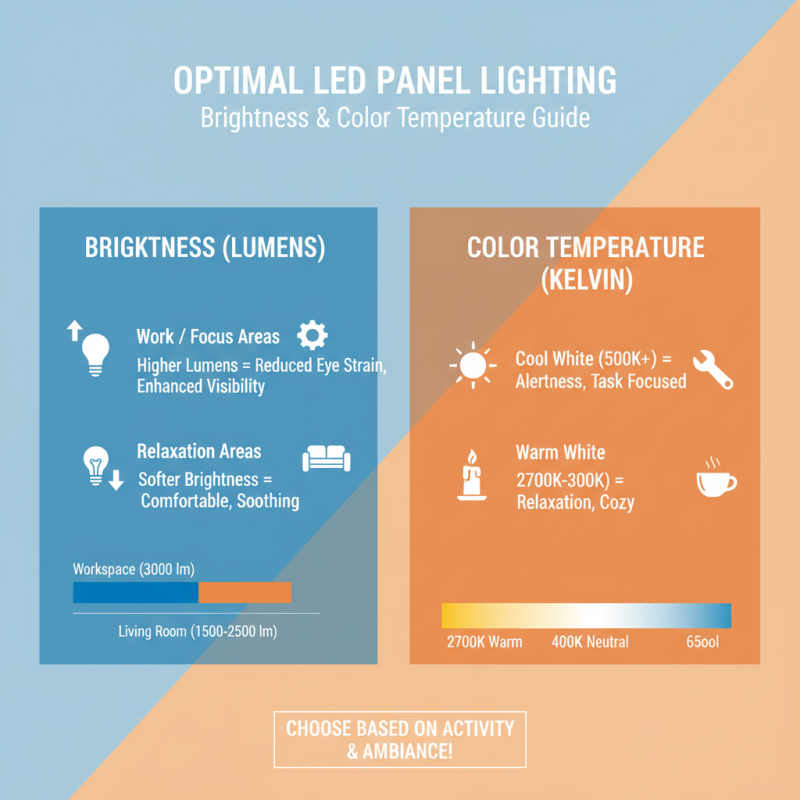
When selecting LED panels for your space, several key factors should guide your decision-making process. First and foremost, consider the brightness level of the panels, measured in lumens. The brightness required can vary significantly based on the function of the room; for instance, a workspace may need brighter panels to enhance visibility, while a relaxing area may benefit from softer, warmer lighting. Additionally, assessing the color temperature, which ranges from cool to warm tones, can have a profound effect on the ambiance of the space. Cooler tones often create a more energetic atmosphere, whereas warmer tones can promote tranquility and comfort.
Another crucial aspect to take into account is the panel's size and shape, as these elements directly influence both aesthetics and functionality. Ensure that the dimensions of the panels fit well within your designated spaces without overwhelming or underwhelming the overall design. Furthermore, consider the installation type—whether you prefer recessed, surface-mounted, or pendant LED panels—each option provides a different look and installation requirement. Lastly, energy efficiency is essential; look for panels that not only provide adequate lighting but also consume less energy, thereby reducing overall costs and environmental impact. By carefully evaluating these factors, you can select LED panels that not only meet your practical needs but also enhance the overall atmosphere of your space.
Understanding Different Types of LED Panels and Their Applications
When selecting the best LED panel for your space, it's crucial to understand the different types of LED panels available and their specific applications. Generally, LED panels can be classified into several categories, including edge-lit, backlit, and panel lights. Edge-lit panels are sleek and ultra-thin, ideal for spaces where aesthetics are a priority, as they provide a modern look while distributing light evenly. These panels are particularly well-suited for offices and retail environments, enhancing the visual appeal without taking up excessive space.
On the other hand, backlit LED panels are thicker but offer superior brightness and uniformity, making them suitable for areas that require more intense lighting, such as warehouses or commercial settings. They are typically more energy-efficient and can last longer than their edge-lit counterparts. Additionally, there are specialized LED panels designed for specific purposes, such as medical examination rooms or photography studios, where color accuracy and adjustable brightness are essential. By understanding these different types and their applications, you can make a more informed decision that best meets the lighting needs of your environment.
Evaluating Brightness and Color Temperature for Optimal Lighting
When selecting the ideal LED panel for your space, evaluating brightness and color temperature is crucial in achieving optimal lighting. Brightness is typically measured in lumens, and understanding your specific lighting needs is essential. For instance, for workspaces or areas requiring high focus, a higher lumen output is necessary to reduce eye strain and enhance visibility. Conversely, for relaxation areas like living rooms or bedrooms, a softer brightness can create a more comfortable and soothing environment. Therefore, consider the activities that will take place in the space to determine the appropriate brightness level.
Color temperature, expressed in Kelvin (K), further influences the atmosphere you create. A lower color temperature, around 2700K to 3000K, emits a warm, inviting glow, perfect for residential settings where comfort is key. On the other hand, cooler temperatures of 4000K to 5000K provide a crisp, bright light ideal for offices and commercial spaces that require alertness and productivity. When choosing an LED panel, think about how the color temperature harmonizes with the room's design and purpose, ensuring that the lighting complements your overall aesthetic while meeting functional requirements.
Assessing Energy Efficiency and Lifespan of LED Panels
When selecting LED panels for your space, assessing energy efficiency and lifespan is crucial for making a smart investment. Energy efficiency is typically measured in lumens per watt; higher lumens mean brighter light with lower energy consumption. Look for panels with an Energy Star rating, which indicates that they meet strict energy efficiency guidelines. Additionally, consider the color temperature of the LED panels, as this can impact the mood and functionality of the space. A panel that offers adjustable brightness can also increase energy savings by allowing you to use less light when full brightness isn't necessary.
Lifespan is another critical factor in your decision-making process. Most LED panels can last anywhere from 25,000 to 50,000 hours, making them a reliable choice compared to traditional lighting options. However, the actual lifespan can vary based on the quality of materials used and the conditions in which they operate, such as heat and humidity. Opting for panels with good heat dissipation features can extend their lifespan significantly. Understanding both energy efficiency and lifespan will help you select LED panels that not only illuminate your space effectively but also minimize energy costs over time.
Essential Tips for Choosing the Best Led Panel for Your Space - Assessing Energy Efficiency and Lifespan of LED Panels
| Panel Type |
Wattage |
Luminous Flux (Lumens) |
Energy Efficiency (LM/W) |
Lifespan (Hours) |
Color Temperature (Kelvin) |
| Edge-Lit Panel |
40W |
4000 Lumens |
100 LM/W |
50,000 hours |
4000K |
| Backlit Panel |
50W |
5000 Lumens |
100 LM/W |
30,000 hours |
3500K |
| RGB Panel |
60W |
4800 Lumens |
80 LM/W |
25,000 hours |
Variable |
| Flat Panel |
45W |
4500 Lumens |
100 LM/W |
50,000 hours |
5000K |
| Panel with Sensors |
30W |
3000 Lumens |
100 LM/W |
40,000 hours |
4000K |
Installation Tips and Maintenance for Long-Lasting Performance
When installing LED panels, it's crucial to consider the specific requirements of your space to achieve optimal results. Begin by ensuring that the ceiling structure can support the weight of the panels, as some models may be heavier than others. Accurate measurements of the installation area are essential to prevent any alignment issues during setup. Use appropriate mounting brackets and follow the manufacturer’s guidelines for secure installation. Additionally, ensure that the electrical wiring meets safety standards, ideally involving a certified electrician for connection to prevent any hazards.
Once installed, proper maintenance will ensure your LED panels operate efficiently and last longer. Regularly clean the panels to remove dust and dirt buildup, using a soft, lint-free cloth and a mild cleaning solution if necessary. Avoid using abrasive materials that could scratch the surface. Monitor the performance of the lights, looking out for any flickering or dimming, which may indicate a need for repairs or replacements. Moreover, being mindful of surrounding temperature and humidity levels can prevent overheating, thereby extending the lifespan of your LED panels. Regularly scheduled check-ups can help maintain their performance, ensuring that your lighting remains consistent and effective over time.
Comparison of LED Panel Types