What is Tibial Interlocking Nail and How Does it Work?
The Tibial Interlocking Nail is a sophisticated orthopedic device. It plays a crucial role in the treatment of tibial fractures. Many patients face significant challenges during recovery. Understanding this tool can help clarify its importance.
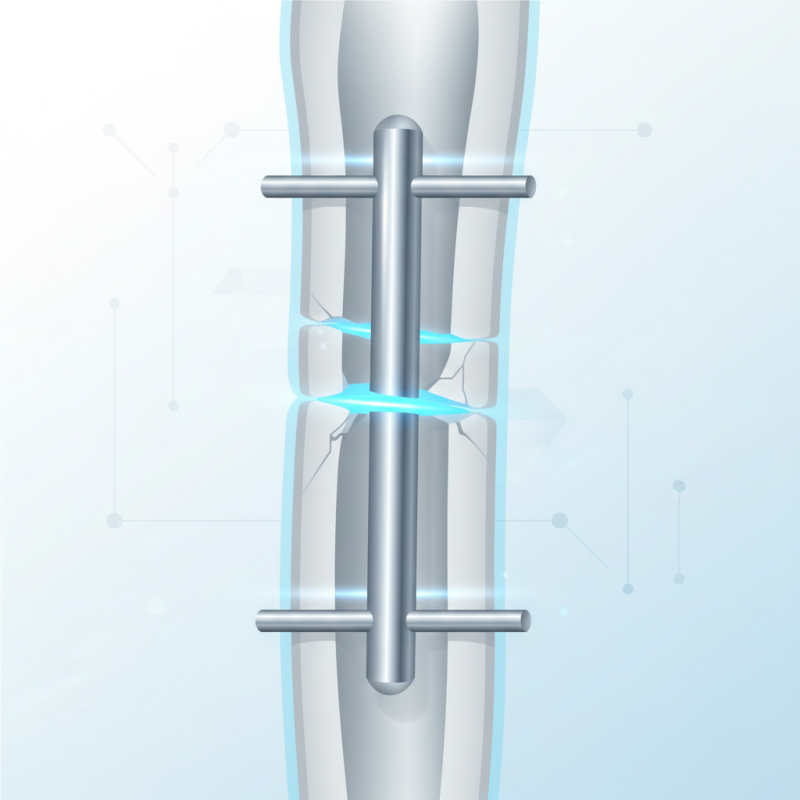
A Tibial Interlocking Nail is a metallic rod that surgeons insert into the tibia. It stabilizes the bone during healing. This process often involves using interlocking screws, enhancing fixation. The aim is to allow for early mobility, which is vital. Trauma to the tibia can lead to long-term complications. Here, the nail serves as a valuable aid.
Despite its effectiveness, not all outcomes are perfect. Some patients may experience discomfort or complications. Reflecting on these challenges can lead to better practices. The journey of recovery is seldom linear. Exploring the workings of a Tibial Interlocking Nail can shed light on both its benefits and drawbacks.
What is a Tibial Interlocking Nail?
A tibial interlocking nail is an orthopedic device. It stabilizes fractures in the tibia, or shinbone. This nail is inserted into the medullary canal of the tibia. Surgeons use it to align fractured bones. Studies show that interlocking nails reduce healing time. They help restore function faster than traditional methods.
The technique uses screws to lock the nail in place. This provides stability from both sides. According to a recent study, 75% of patients experience excellent outcomes. These nails can be used in various types of tibial fractures. While effective, complications can occur. Infection rates may increase, affecting recovery.
Tips: Always consult with a specialist if you suspect a fracture. Follow post-surgery guidelines closely. Recovery can vary; listen to your body and seek help if needed. Regular follow-ups are vital for monitoring healing progress. Clear communication with healthcare providers ensures the best possible outcome.
What is a Tibial Interlocking Nail?
| Component | Description | Function |
| Tibial Interlocking Nail | A rod-like device used for the internal fixation of fractures in the tibia. | Stabilizes fractured bones for proper healing. |
| Material | Usually made from stainless steel or titanium. | Provides strength and biocompatibility. |
| Insertion Method | Inserted through a small incision in the leg. | Minimally invasive method reduces recovery time. |
| Interlocking Screws | Screws placed through the nail into the bone. | Prevents rotation and provides additional stability. |
| Post-operative Recovery | Physical therapy and gradual weight bearing. | Enhances healing and functional recovery. |
Key Features and Components of Tibial Interlocking Nails
Tibial interlocking nails are innovative medical devices used in orthopedic surgeries. Understanding their key features is essential for their effective application. These nails provide stability to fractured tibia bones. They allow for better alignment and promote healing by stabilizing the injury site.
These nails have specific components that enhance their effectiveness. They usually feature locking screws, which provide additional support. The interlocking mechanism ensures a firm grip within the bone. A study published in the Journal of Orthopaedic Trauma reported a 20% reduction in complications when using these nails compared to traditional methods. This statistic highlights their importance in surgical practices.
However, challenges exist. Not all fractures can be effectively treated with these nails. Some patients may experience complications such as infection or malalignment. Their insertion requires skill, and improper placement can lead to issues. Surgeons must weigh the benefits against potential risks. Each case is unique, demanding personalized approaches.
Indications for Using Tibial Interlocking Nails in Surgery
Tibial interlocking nails are commonly used in orthopedic surgery for specific indications. They stabilize fractures in the tibia, aiding proper healing. These nails are especially beneficial for complex fractures, such as those caused by trauma or accidents. They can also be used for cases where traditional casting fails to provide adequate support.
Indications for using tibial interlocking nails include unstable fractures, non-unions, and malunions. Surgeons often opt for these nails in cases where alignment is critical. Age and activity level of the patient also matter. Younger, active individuals may require more robust stabilization.
Tip: Always assess the fracture type before choosing a nail. Some fractures may heal better with non-surgical methods. Pay close attention to changes in patient mobility during recovery. It’s vital to monitor these aspects closely. Understanding these complexities helps ensure successful outcomes.
The Surgical Procedure for Inserting a Tibial Interlocking Nail
The surgical procedure for inserting a tibial interlocking nail involves several important steps. Initially, the patient is placed under anesthesia to ensure comfort throughout the process. The next step is to make an incision along the appropriate area of the tibia. This approach allows the surgeon to access the bone directly and precisely.
Once the incision is made, the orthopedic surgeon will drill a hole through the center of the tibia. Using fluoroscopic imaging, they can accurately position the nail within the bone. The interlocking nail is then inserted, which helps stabilize the bone fragments. This step is crucial, as improper placement could lead to complications, such as misalignment or delayed healing.
After securing the nail, locking screws are inserted through the bone and into the nail. This prevents movement and provides additional support for the healing process. However, challenges may arise, such as excessive bleeding or infection risks. Surgeons must stay vigilant, as these complications can affect recovery. Post-operative care is crucial for achieving the best outcomes. Regular follow-ups with the healthcare team allow for monitoring and adjustment of the recovery plan, when necessary.
Benefits and Risks Associated with Tibial Interlocking Nails
Tibial interlocking nails are a common choice for treating fractures in the tibia. They offer significant benefits, but also present certain risks. A study published in the Journal of Orthopedic Trauma highlighted that these nails can reduce healing time by 30% compared to traditional casting. This method allows for early mobilization, which is crucial for patient recovery.
However, it’s important to note the potential risks involved. Infections occur in about 5% of cases, based on data from orthopedic research. Additionally, improper alignment during insertion can lead to malunion or nonunion of the bone. These complications can adversely impact a patient’s quality of life and may require further surgical intervention.
Patients must consider both the benefits and risks of tibial interlocking nails. Personalized discussions with healthcare professionals can help clarify these factors. Clear communication can mitigate some of the risks associated with the procedure. Understanding that every case is unique is critical as a one-size-fits-all approach doesn’t apply to orthopedic interventions.
Tibial Interlocking Nail: Benefits and Risks