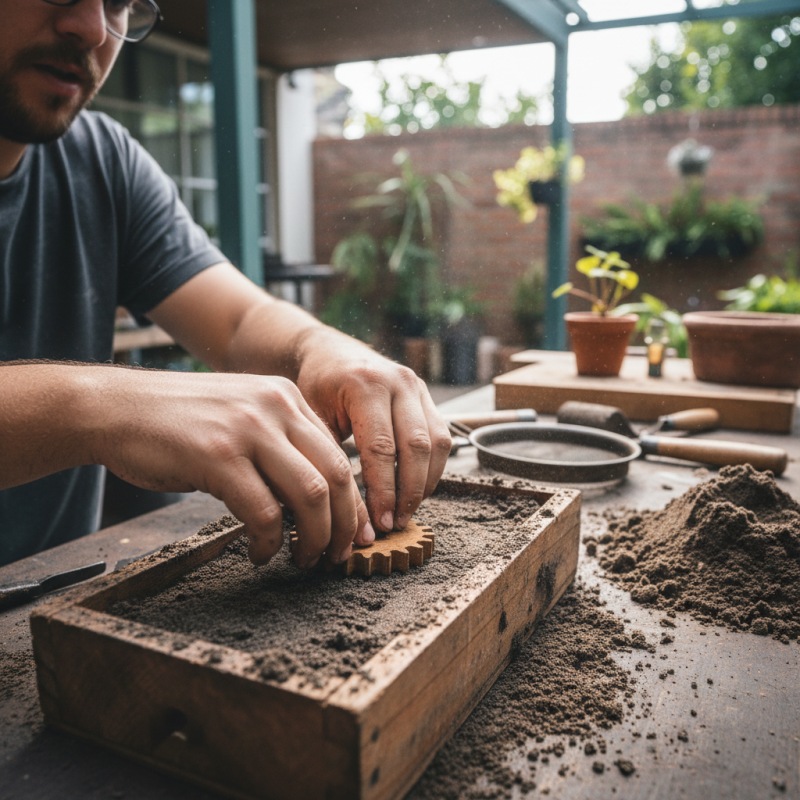
Best Sand Molding Process Tips for Beginners
The sand molding process is essential for anyone interested in metal casting. It offers a practical way to create molds using sand, making it accessible for beginners. However, mastering this process is not without its challenges.
For novices, understanding the basic principles can be daunting. The texture, moisture, and composition of sand play a crucial role. Picking the right type can make or break your project. Beginners often overlook these details, leading to frustration. Observing the surrounding environment is also significant. Too much humidity or wind can affect your sand's performance.
Practicing the sand molding process helps build skills over time. Mistakes will happen, such as uneven surfaces or weak molds. Reflection on these errors can lead to improvement. Embrace the learning journey, as it reveals valuable insights into this craft. Remember, every expert was once a beginner, learning from each iteration.
Understanding the Basics of Sand Molding Techniques
Sand molding is a fundamental technique in metal casting. Understanding how it works is crucial for beginners. This process involves using sand to form molds that will hold molten metal. The type of sand matters. Fine sand creates smoother surfaces, while coarser sand offers better strength. The balance is essential. Too fine sand may collapse, but too coarse sand may not hold detail well.
Mixing the sand with the right binder is also important. This mixture helps create a sturdy mold. However, the binding agents can vary greatly. Each choice affects the final product. It's okay to experiment, but be mindful of changes. Inconsistent mixes can lead to unexpected results. Inspecting your molds for weaknesses can save time and materials later on.
The pressure applied during molding can make a difference. Too much pressure can damage the mold or create air pockets. A light but firm touch often yields better outcomes. Each session offers lessons in timing and technique. Reflection on past results informs future attempts. Embrace the learning curve. Mistakes are part of mastering sand molding.
Essential Tools and Materials for Sand Molding
When starting with sand molding, having the right tools and materials is crucial. A sturdy mold box is essential for holding the sand. Choose one that fits your design size. Sand is the heart of the process. Fine sand works best for detailed patterns. Make sure it's clean and dry for the best results. Using too much moisture can lead to weak molds.
Besides sand, you'll need a ramming tool. This helps pack the sand tightly. A simple hand tamper works well. Remember, the tighter the sand, the better the shape. Wooden or plastic strips can help create clean edges on your mold. It’s also smart to have a release agent. This will keep your mold from sticking and ease the removal of your final cast.
Don’t overlook safety gear. A dust mask protects your lungs from fine particles. Gloves are necessary for handling sand and other materials. Beginners often forget these tools. It’s easy to overlook safety when you’re excited. Always take your time to prepare. Quality tools and attention to detail will lead to better outcomes. Mistakes are a part of learning. Reflect on each project and improve with practice.
Step-by-Step Guide to Prepare Sand for Molding
Preparing sand for molding is an essential step in the sand molding process. Beginners should focus on selecting the right type of sand. Fine sand may seem appealing for its smooth finish, but it often lacks strength. Coarser sand provides better durability but can compromise detail. Balance is key. Mixing different grains can create a more versatile material.
Once you've chosen the right sand, it’s time to prepare it. Start by sifting sand to remove any debris or lumps. This ensures a uniform texture. A well-prepared mold requires moisture, but too much water can lead to clumping. Aim for a consistency that holds shape when squeezed. If the sand crumbles easily, try adding a bit more water. However, don’t overdo it.
Different molds may demand varying sand preparations. Experimenting is part of the learning process. You might find some techniques don't work well for your specific project. Don't be discouraged by failures; they are valuable learning experiences. Adjust your mixture based on how your mold turns out. Reflection on what went wrong leads to improvements in future attempts. Enjoy the process of trial and error as you refine your skills in sand molding.
Best Sand Molding Process Tips for Beginners - Step-by-Step Guide to Prepare Sand for Molding
| Step | Description | Tips |
| 1 | Gather the required materials such as sand, water, and a molding frame. | Ensure that the sand is clean and free from debris for the best results. |
| 2 | Mix sand with a binding agent like clay to improve its plasticity and strength. | Use a ratio of about 10% clay to 90% sand for optimal results. |
| 3 | Moisten the sand mixture to enhance its compaction. | Add water gradually to avoid over-saturation, which can weaken the mold. |
| 4 | Fill the molding box tightly with the prepared sand mixture. | Use a tamper or board to pack the sand evenly and eliminate air pockets. |
| 5 | Create a pattern in the sand using the object you want to mold. | Apply a release agent on the pattern for easier removal. |
| 6 | Carefully remove the pattern and create vent holes for gas escape. | Ensure vent holes are evenly distributed around the mold for efficient gas release. |
| 7 | Pour molten metal into the mold cavity to create the final product. | Make sure to pour from a height to ensure even distribution of metal. |
| 8 | Allow the mold to cool and solidify before removing the casting. | Check the cooling time based on the metal used for best results. |
Common Mistakes to Avoid in Sand Molding
Sand molding can be a rewarding process for beginners, but there are common mistakes that can hinder progress. One frequent error is using dry or poorly mixed sand. This can result in weak molds that break easily. It's essential to find the right moisture balance. Too much water can cause the sand to clump, while too little will lead to fragile structures.
Another mistake is rushing the setup. Beginners often ignore the importance of compacting the sand properly. It's crucial to pack the sand firmly into the mold to ensure that it holds its shape. Take your time during this step. A hurried job can lead to uneven surfaces and imperfections in the final product.
Consider these tips: always wear gloves to protect your hands. Invest time in practicing your molding technique. Experiment to discover what works best for you. Keep a notebook to track your successes and failures. Reflecting on your process can reveal valuable lessons and improve your skills over time. Learning from mistakes can make a big difference in your sand molding journey.
Tips for Achieving High-Quality Molds in Sand Casting
Sand casting is an accessible process for beginners to create high-quality molds. A significant factor affecting mold quality is the sand mixture. True, the right blend can improve casting details. According to industry research, using the optimal sand-to-binder ratio can enhance mold strength by 30%. This results in better dimensional accuracy.
Tips for achieving a great sand mixture: Stick with a mix of fine and coarse sand. This combination allows better packing and reduces air pockets. Maintaining consistent moisture content is also crucial. Too much water makes sand clump, while too little creates cracks. Aim for a damp texture that holds its shape.
Another aspect to focus on is mold design. A well-designed mold reduces the chances of defects. Keep in mind common errors, like inadequate venting, which can lead to blowholes. Testing different designs helps track what works. Sometimes, imperfect molds can teach valuable lessons. Analyze your results to make informed adjustments in future projects.