Revolutionizing Your Morning Brew: The Rise of Coffee Robots and Their Impact on the Coffee Industry
In recent years, the coffee industry has witnessed a transformative shift with the introduction of Coffee Robots, which are reshaping the way we brew our beloved morning beverage. These innovative machines are not merely gadgets; they embody the fusion of technology and tradition, offering a glimpse into the future of coffee preparation. As consumers increasingly seek convenience and consistency in their daily routines, Coffee Robots have emerged as a solution that addresses these demands while retaining the rich flavors and aromas that coffee enthusiasts cherish.
The rise of Coffee Robots is not just a trend; it signifies a broader movement towards automation in the food and beverage sector. By employing advanced algorithms and precision engineering, these robots are capable of replicating complex brewing methods with unprecedented accuracy. Whether it’s a meticulously crafted espresso or a perfectly brewed pour-over, Coffee Robots are designed to deliver barista-level quality at the touch of a button. This shift raises important questions about the impact on traditional coffee shops, the quality of coffee, and the overall experience for consumers. As we delve deeper into the capabilities and implications of Coffee Robots, it becomes essential to explore how they are revolutionizing our morning brew and what that means for the future of coffee culture.

The Evolution of Coffee Brewing: How Automation is Changing the Game
The coffee industry is witnessing a groundbreaking transformation as automation takes center stage in brewing techniques. From sophisticated espresso machines to robotic baristas, these innovations are elevating the coffee experience while streamlining the preparation process. With precision and consistency at their core, automated systems ensure that each cup is crafted to perfection, reducing the margin for human error and optimizing flavors at every turn.
**Tips:** When exploring automated coffee brewing, consider investing in machines that offer customizable settings. This allows you to adjust factors like brew strength and temperature, ensuring a personalized touch to your morning cup. Additionally, staying informed about the latest coffee technologies can help you choose equipment that not only performs well but also aligns with sustainable practices.
As coffee robots become more commonplace in cafés and homes, their influence extends beyond convenience. They encourage an appreciation for quality and consistency, inviting a new generation of coffee enthusiasts who value precision over tradition. Embracing this evolution could lead to exciting innovations in flavor profiles and brewing methods, ultimately enriching the overall coffee culture.
**Tips:** Don’t hesitate to experiment with various automated brewing methods. Try using different types of beans and grind sizes to discover unique flavor combinations, while taking advantage of the automation to achieve consistently excellent results every time.
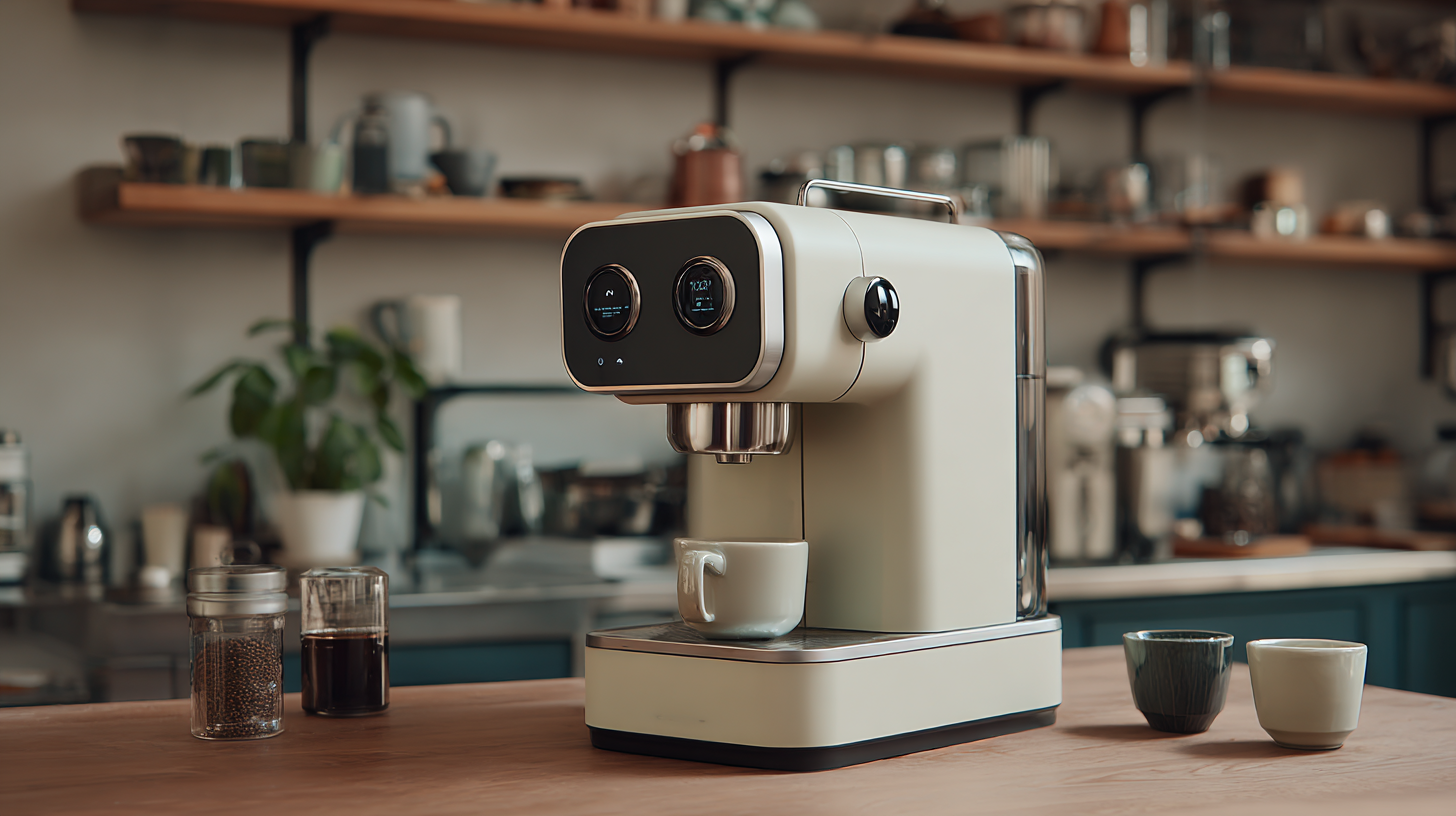
Exploring the Technology Behind Coffee Robots: Mechanisms and Innovations
The rise of coffee robots marks a significant technological advancement in the coffee industry, fundamentally transforming the way coffee is brewed and served. These automated systems leverage sophisticated algorithms and cutting-edge machinery to ensure precise brewing conditions, optimizing flavor extraction, and consistency. According to a recent report from Allied Market Research, the global coffee machines market is expected to reach $5.2 billion by 2025, driven in part by innovations in automation and robotics.
Coffee robots employ mechanisms such as advanced sensors and machine learning to adapt brewing parameters according to the unique characteristics of each coffee bean. For instance, these systems can analyze variables like bean origin, grind size, and water temperature to create a tailor-made cup of coffee, catering to the palate of the consumer. A study published by the Specialty Coffee Association found that robots can achieve a brewing consistency rate of over 95%, significantly reducing the margin of error compared to traditional brewing methods. This reliance on technology not only enhances the quality but also improves efficiency in cafes and restaurants, enabling baristas to focus more on customer interactions while the robots handle the technicalities of brewing.
The Impact of Coffee Robots on Coffee Production and Consumption
This chart illustrates the correlation between global coffee production and the increasing installation of robotic coffee machines over the years. As technology advances, more robotic solutions are being integrated into the coffee industry, which may impact productivity and consumption patterns.
The Benefits of Coffee Robots: Consistency, Speed, and Quality in Every Cup
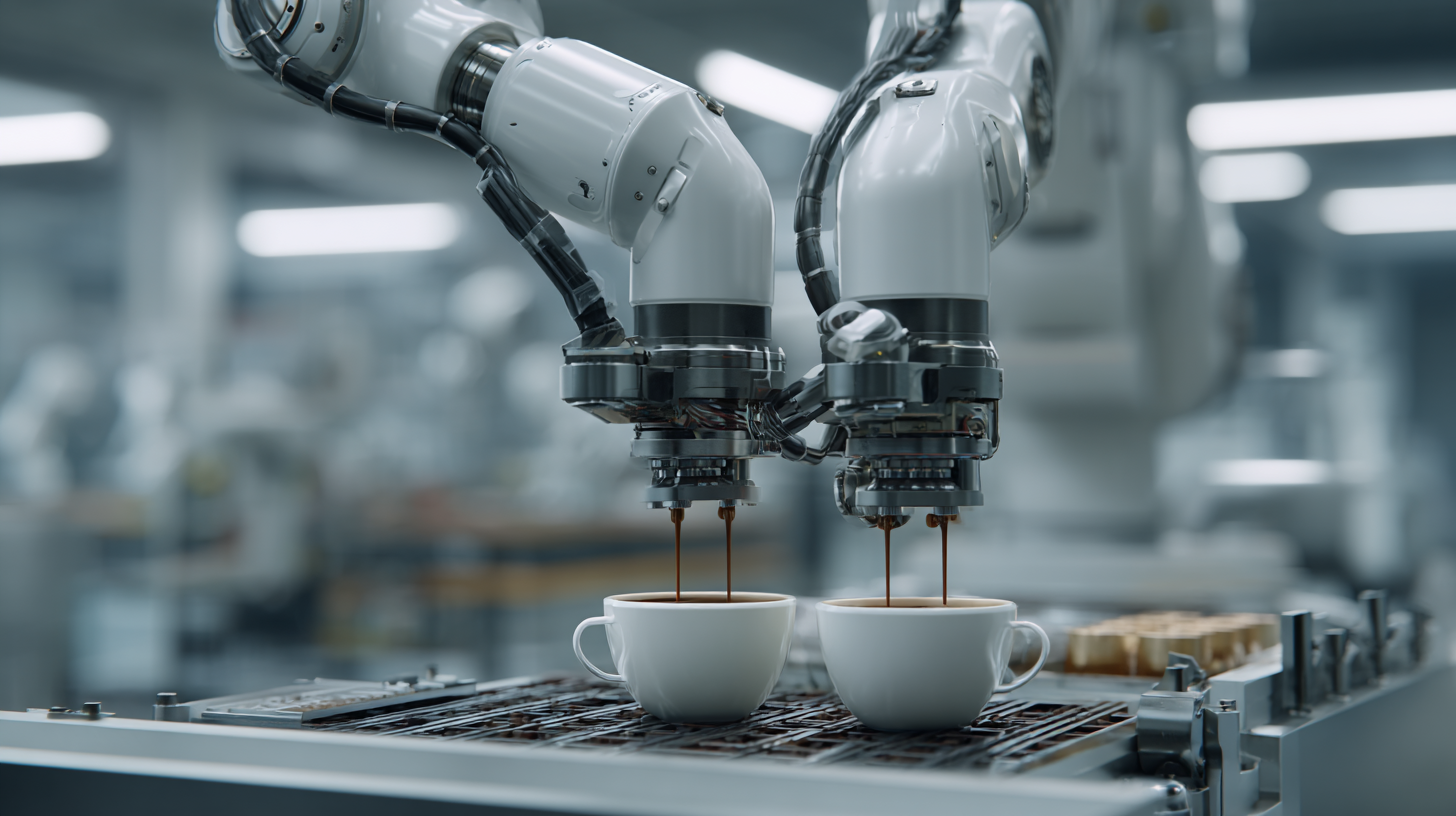 The emergence of coffee robots in the coffee industry is transforming the way we enjoy our daily brew. One of the most significant benefits these robotic systems offer is consistency. Unlike human baristas, who may vary in technique and method each time they prepare a cup of coffee, robots ensure that every drink is made to precise specifications. This uniformity in taste and presentation not only delights customers but also creates a reliable product, fostering greater customer loyalty and satisfaction.
In addition to consistency, coffee robots excel in speed, significantly reducing wait times for customers. By automating the brewing process, these machines can prepare dozens of cups in the time it would take a human barista to craft just a few. This efficiency is particularly advantageous in busy cafés or during peak hours, allowing businesses to serve more customers without compromising on quality. Furthermore, the precision of coffee robots contributes to maintaining the high standards expected in specialty coffee, ensuring that each cup delivers exceptional flavor and experience. As the coffee industry embraces these technological advancements, the combination of consistency, speed, and quality paves the way for a new era in coffee service.
The Future of Coffee Shops: Integrating Robots into Customer Experience
The integration of robots into coffee shops is not just a trend; it represents a seismic shift in customer experience within the coffee industry. According to a report by MarketsandMarkets, the global coffee market size is projected to reach USD 102.02 billion by 2026, and automation is becoming an integral part of that growth. Robots are able to streamline operations, reduce wait times, and ensure a consistent quality of beverages that may surpass human capabilities. For instance, the introduction of robotic baristas has seen a 30% increase in service efficiency, allowing shops to serve more customers during peak hours.
Moreover, coffee robots enhance the overall customer experience by providing an innovative and interactive atmosphere. A study by the National Coffee Association reveals that 60% of younger consumers are intrigued by technological advancements in service delivery. This demographic shift indicates a preference for unique experiences, and robotic coffee makers can play a pivotal role. These machines not only prepare high-quality brews with precision but also engage customers through personalized touches and seamless digital interactions. As the coffee shop landscape continues to evolve, embracing robotic technology could prove essential for attracting and retaining a tech-savvy customer base.
Economic Implications: Cost-Benefit Analysis of Coffee Robots in the Industry
The emergence of coffee robots in the industry represents a significant shift in how coffee is brewed, served, and experienced. These automated systems offer cost-efficiency that traditional coffee-making methods cannot compete with. In conducting a cost-benefit analysis, it becomes clear that while the initial investment in technology can be steep, the long-term savings on labor and waste can yield substantial financial returns. Automation can handle increased demand with precision, allowing cafes and businesses to streamline operations and reduce overhead costs associated with staffing.
Moreover, the economic implications extend beyond immediate financial benefits. Coffee robots can improve consistency and quality control, ensuring that every cup meets customer expectations. This reliability can enhance brand loyalty and attract a broader customer base willing to pay a premium for high-quality brews. However, the transition to automation also raises concerns about job displacement and the broader impact on the workforce. Balancing these factors will be crucial for the coffee industry as it navigates the integration of robotic technology, ultimately shaping its future landscape.
