What is Reflective Workwear and Why is it Important?
reflective workwear is essential for ensuring safety in various industries. Studies show that wearing reflective clothing can reduce accidents by up to 50%. In hazardous jobs, visibility is critical. Reflective workwear, with its bright colors and reflective stripes, provides a vital layer of protection for workers.
John Smith, a leading expert in occupational safety, emphasizes, "Visibility can be the difference between a safe work environment and a tragic accident." This statement highlights the importance of integrating reflective workwear into safety protocols. Many organizations neglect this aspect, risking employee safety.
In sectors like construction and road maintenance, reflective gear is not just an accessory; it is a requirement. However, the industry faces challenges, including compliance and proper usage. Investing in quality reflective workwear is a commitment to worker safety. The gap between awareness and action must be addressed for improvement.
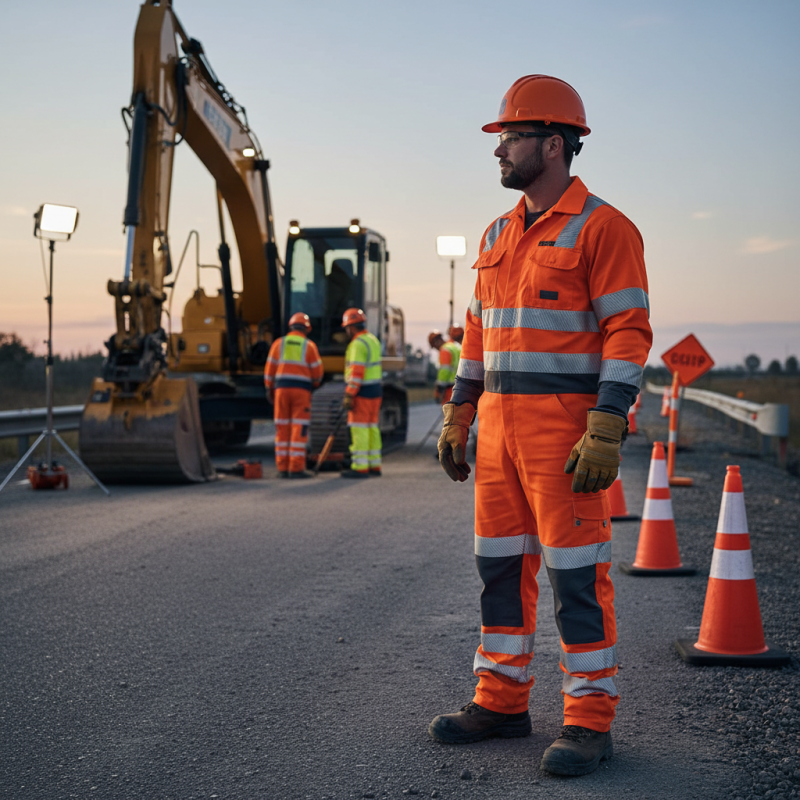
Definition of Reflective Workwear and Its Characteristics
Reflective workwear is designed to enhance visibility in low-light conditions. This type of clothing often features fluorescent colors and reflective strips. These elements work together to ensure that workers are seen clearly by others. It's a critical safety measure for various industries, such as construction and emergency services.
Characteristics of reflective workwear include durability and comfort. The fabric is often weather-resistant, offering protection against rain and wind. Additionally, many garments are equipped with moisture-wicking properties, keeping the wearer dry. The fit is important too; too loose or tight can restrict movement. Workers need to feel comfortable to focus on tasks, but sometimes manufacturers overlook this aspect.
It's essential to ensure that reflective workwear is regularly inspected for wear and tear. Any damage can make these garments less effective. Workers must reflect on their own safety practices. A simple habit of checking gear before each shift can make a difference. Ultimately, understanding the importance of reflective workwear goes beyond aesthetics—it's about safeguarding life in challenging environments.
Importance of Visibility in Hazardous Work Environments
In hazardous work environments, visibility is crucial. Reflective workwear plays a significant role in ensuring workers are seen. According to the National Safety Council, nearly 71,000 workers are injured each year due to accidents involving vehicles on job sites. Poor visibility contributes to many of these incidents. Workers in construction, road maintenance, and shipping are at higher risk. Reflective materials enhance visibility, especially in low-light conditions. Wearing reflective gear can reduce accident rates.
Tip: Choose clothing with high-visibility stripes. This can make a significant difference in recognition, even from a distance.
The importance of visibility cannot be overstated. In a study by the Occupational Safety and Health Administration,
39% of construction accidents involved workers not being visible to vehicle operators. These accidents are often preventable. Investing in reflective workwear is not just about compliance; it’s about safety and protecting lives.
Tip: Regularly inspect and replace worn-out reflective gear. Over time, the effectiveness of reflective materials can decrease. Keeping gear in good condition is essential.
Standards and Regulations Governing Reflective Workwear
Reflective workwear plays a critical role in many industries. These garments help ensure workers are visible in low light conditions. The effectiveness of this clothing often relies on specific standards and regulations.
Regulations governing reflective workwear vary by region. They typically focus on the materials used and the design features. Certain industries may require high-visibility colors, while others might specify reflective material placement. For instance, ANSI/ISEA 107 in the United States sets guidelines for visibility requirements. Adhering to these regulations can significantly reduce accidents. Yet, not all companies comply. Some workers still lack proper attire, putting their safety at risk.
It is essential to regularly review and update workplace policies. This helps maintain compliance with current standards. Training sessions can raise awareness about the importance of wearing correct gear. Over time, reliance on reflective workwear becomes routine. However, complacency can lead to oversight. Individuals must remain vigilant and proactive in ensuring their safety and the safety of others.
Types of Reflective Materials Used in Workwear
Reflective workwear plays a vital role in ensuring safety for workers in various environments. The effectiveness of this clothing largely depends on the types of reflective materials used. Common materials include retroreflective tape and high-visibility fabrics. Retroreflective tape reflects light directly back to its source. This quality is crucial when workers are in low-light conditions or near vehicles. High-visibility fabrics, often in bright colors, enhance visibility during the day.
According to industry reports, over 25% of workplace accidents happen in poorly lit areas. This statistic underscores the urgency of using quality reflective materials. Workwear equipped with effective reflective properties can significantly reduce the risk of accidents. In some sectors, such as construction, the right workwear can decrease injury rates by up to 35%.
Tips: Always check the reflective material's quality before purchasing. Look for certifications or standards compliance. Regularly inspect your workwear for wear and tear. If you notice fading or losses in reflectivity, consider replacing the items promptly. Bright colors are not just for aesthetics; they can save lives.
What is Reflective Workwear and Why is it Important? - Types of Reflective Materials Used in Workwear
| Reflective Material Type | Description | Applications | Advantages |
| Microprismatic Tape | Made using microprisms to reflect light, providing high visibility. | Construction, Roadwork | Excellent visibility at night, durable under harsh conditions. |
| Beaded Tape | Contains glass beads to reflect light, creating visibility. | Traffic Safety, Emergency Services | Cost-effective, good for low-light conditions. |
| Fluorescent Fabric | Brightly colored fabric that enhances visibility during the day. | Outdoor Workers, Event Staff | Highly visible in daylight, lightweight and comfortable. |
| Reflective Vinyl | A flexible material that can be applied to various surfaces. | Vehicle and Equipment Markings | Versatile application, available in various colors and designs. |
| Fabirc with Integrated Reflective Yarn | Yarn that incorporates reflective properties into the fabric. | Workwear, Sportswear | Seamless look, comfortable, and breathable. |
Impact of Reflective Workwear on Workplace Safety and Compliance
Reflective workwear plays a critical role in enhancing workplace safety. These garments are designed with reflective materials that make workers visible in low-light conditions. For instance, construction sites and roadwork areas often lack adequate lighting. Workers in these environments face serious risks. The visibility provided by reflective workwear can dramatically reduce accidents.
Moreover, compliance with safety regulations is essential. Many industries have stringent guidelines regarding worker visibility. Failure to comply can lead to significant fines and legal troubles. Some companies may overlook the importance of proper workwear, which can result in dire consequences. It's crucial for employers to invest in quality reflective clothing that meets safety standards.
Reflective workwear not only protects individuals but also fosters a culture of safety. When employees feel safe, their productivity often increases. However, some organizations might neglect regular checks on workwear condition. Worn-out reflective strips can reduce visibility. It’s important to remember that neglecting maintenance can diminish the effectiveness of these garments. Emphasizing continuous reflection on safety practices is vital in ensuring a secure workplace.
