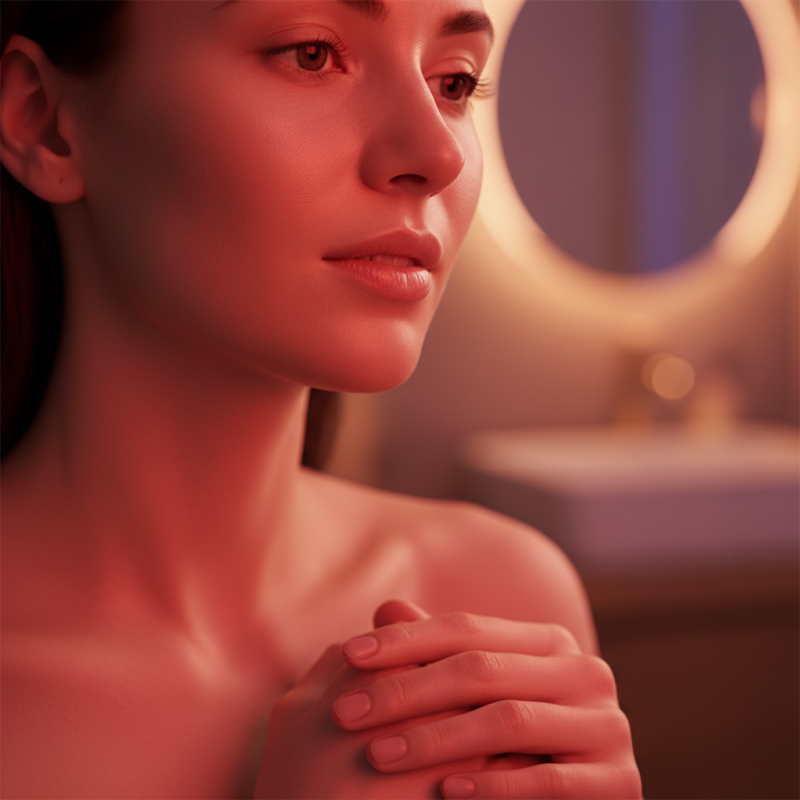
Red Light Therapy Tips for Skin Health and Pain Relief?
Red Light Therapy has gained popularity in recent years for its potential benefits on skin health and pain relief. This non-invasive treatment uses specific wavelengths of light to promote healing and rejuvenation. Many users have reported improvements in skin tone and texture, as well as relief from chronic pain.
However, not everyone experiences the same level of success. Some users may find the effects minimal or require more sessions to see changes. It's essential to have realistic expectations. Red Light Therapy is not a miracle cure. Consistency is key, and a well-planned routine can optimize results.
In this article, we’ll explore effective tips for maximizing the benefits of Red Light Therapy. From choosing the right device to understanding how light penetration works, small details can make a significant difference. Discussing these aspects can help users navigate their therapeutic journey more effectively.
Understanding Red Light Therapy: Mechanism and Benefits
Red light therapy (RLT) uses specific wavelengths of light to promote skin health and alleviate pain. It penetrates the skin, reaching deeper tissues. This process stimulates cellular functions and enhances collagen production. Many users report visible improvements in skin tone and texture. However, results can vary significantly among individuals, highlighting the ongoing need for more research.
The mechanism behind RLT lies in its interaction with mitochondria. These cellular powerhouses generate energy for the cells. By enhancing this process, red light increases ATP production. This boost helps reduce inflammation and promotes healing. Yet, some users may experience minimal benefits. Tracking progress over time is essential for understanding personal reactions to the therapy.
For pain relief, RLT can target specific areas. It may reduce muscle soreness and joint pain. Users often find relief after multiple sessions. However, consistency is key, and patience is required. Monitoring the body’s response can help determine if adjustments are necessary. Overall, while red light therapy shows promise, individual experiences may differ greatly.
Best Practices for Effective Red Light Therapy Sessions
Red light therapy is gaining popularity for its benefits in skin health and pain relief. To achieve the best results, it’s important to follow effective practices during your sessions.
Before starting, ensure the area is clean and free of products. This helps the light penetrate more effectively. Keep the device at the recommended distance to avoid discomfort. A common mistake is being too close, which can cause irritation. Try different angles to find what works best for your needs.
Consistency is key. Aim for regular sessions, ideally 3-5 times a week for maximum benefit. Don’t rush the process; take your time during each session. Many find it helpful to set a timer, so they relax and don’t overdo it. Pay attention to your skin’s response. If you notice irritation, adjust the duration or frequency. Red light therapy can be personal, and what works for one may not suit another.
Choosing the Right Red Light Therapy Device for Your Needs
Choosing the right red light therapy device can be challenging. Many options exist, and understanding your needs is crucial. Research shows that different wavelengths target various skin concerns. For instance, 630-670 nm wavelengths are effective for skin rejuvenation. Devices with these specifications can help reduce fine lines.
Look for devices that offer adjustable settings. This feature allows users to customize treatments. A study published in The Journal of Clinical and Aesthetic Dermatology emphasizes the importance of applying the correct dosage. Sometimes, less is more. Overexposure can hinder results, leading to potential skin irritation or a decrease in benefits.
Consider the size and design of the device. Larger panels cover more area, but they can be bulky. Smaller handheld models are portable and easy to use. Yet, they may require longer treatment times. Assessing your space and routine helps you find a balance. Not every product will meet all expectations. Some users report minimal results after prolonged use. It’s essential to manage expectations and monitor progress.
Targeted Applications: Skin Health and Pain Relief with Red Light Therapy
Red light therapy has gained popularity for its potential benefits in skin health and pain relief. Many people seek it out for specific issues like acne, wrinkles, or joint pain. Targeted applications can be made to treat areas of concern. This therapy works by stimulating cellular repair. The results may vary from person to person, which adds an element of unpredictability.
When using red light therapy, it’s essential to consider the duration and intensity. Some people find that shorter sessions yield better results. Others may inadvertently overdo it, leading to skin irritation or discomfort. Not everyone sees immediate benefits, revealing a need for patience. It can be frustrating, especially when the desired results aren’t achieved quickly.
Additionally, setting realistic goals is crucial. Understand that red light therapy is not a miracle solution. It should complement a holistic skincare routine or pain management approach. Observing how your body responds is essential. Keeping a journal of experiences can help identify what works best for you. This kind of reflection is often overlooked yet is vital for long-term success.
Safety Considerations and Potential Side Effects of Red Light Therapy
Red light therapy has gained popularity for skin health and pain relief. However, it's essential to consider safety factors and possible side effects before starting treatment. Overexposure can lead to skin irritation or redness. Individuals with light-sensitive conditions may experience adverse effects. Consulting a healthcare provider is crucial, especially for those on medication that affects light sensitivity.
When using red light therapy, always wear protective eyewear. This helps shield your eyes from potential harm. Start with shorter sessions to see how your skin reacts. Gradually increase the duration if well-tolerated. Monitor your skin for any unusual changes. Note any discomfort and adjust treatment accordingly.
Real experiences can vary significantly. Some users report improvement, while others feel no change. Documenting your journey helps identify effective practices. Reflect on your overall well-being after sessions. Is the therapy improving your quality of life? Or do you need to explore other options? Keeping a personal log can provide valuable insights.
Red Light Therapy Impact on Skin Health and Pain Relief
This chart illustrates the effectiveness of red light therapy in various aspects related to skin health and pain relief. The ratings indicate the perceived impact on skin appearance improvement, pain relief, healing time reduction, and skin tightening, showcasing the potential benefits of this treatment method.