How to Tell if Chocolate is Expired and Still Safe to Eat?
Chocolate is a beloved treat enjoyed by many. Yet, can we always trust its freshness? Understanding Chocolate expiration is crucial. Improper storage can lead to spoilage, making it unsafe to eat. Factors such as temperature and moisture greatly affect chocolate's longevity.
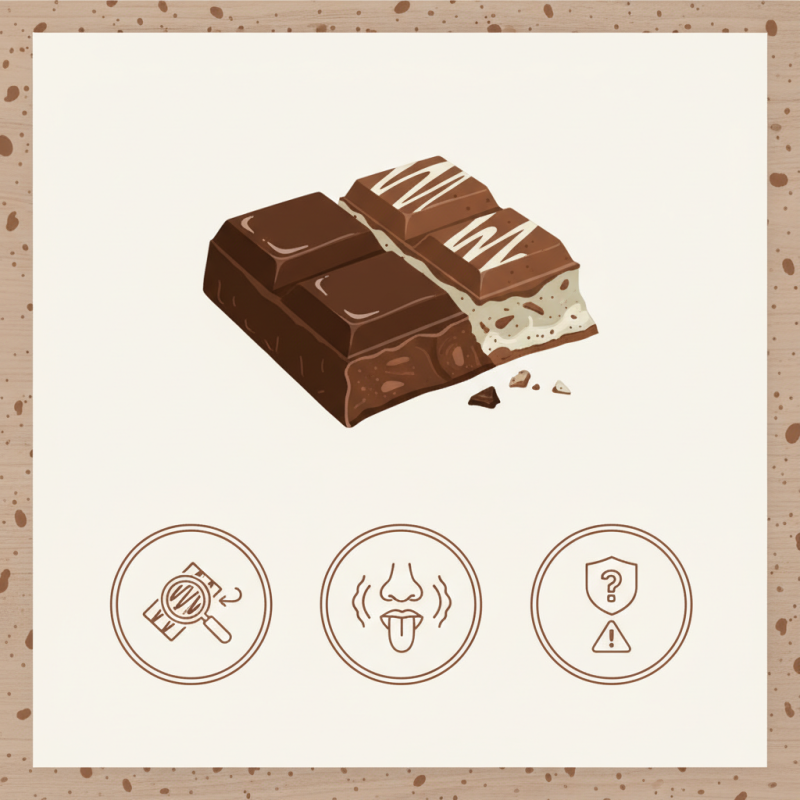
Imagine biting into a chocolate bar, only to find it stale or even moldy. This scenario is disappointing and preventable. Signs of chocolate expiration can be subtle. White streaks or a change in texture may appear. But sometimes, these changes don’t mean it’s harmful. Pay attention to taste and smell as well.
Chocolate may seem resilient, but it does have a shelf life. If you have doubt about its condition, be cautious. Trust your senses; they often guide you. Even a small piece, if uncertain, should cause reflection. In time, we should be aware of what we consume.
Understanding Chocolate Expiration Dates and Labels
When it comes to chocolate, understanding expiration dates is crucial. Many people assume that dates on the packaging are strict rules. However, chocolate may still be safe to eat beyond these dates. Dark chocolate can last longer than milk chocolate due to its lower dairy content. Always check the type of chocolate when assessing its longevity.
Tips: Look for any white spots or a chalky texture. These often occur due to fat bloom. While they might not indicate spoilage, they can affect taste and texture. Smell the chocolate too. Fresh chocolate has a rich aroma. If it smells off, it’s better to throw it away.
Reading labels is essential. Some chocolates have “best by” dates, while others show “sell by”. A “best by” date means quality may diminish after this date. Yet, it might still be edible. If you find chocolate that’s past its date, assess its condition carefully. Your eyes and nose will guide you.
Signs That Chocolate Has Gone Bad: Visual and Sensory Cues
When it comes to chocolate, it's essential to know if it has gone bad. Visual and sensory cues can help you identify expired chocolate. Look for white streaks or blotches. These can indicate bloom, a harmless condition from temperature changes. However, it may affect texture.
Smell your chocolate. If it has an off or rancid smell, it's best to toss it. Taste is crucial too. A small piece can reveal a lot. If the flavor is off, better to be safe than sorry.
**Tips:** Always store chocolate in a cool, dark place. This helps maintain its quality. Check the expiration date, but remember it’s not always definitive. Trust your senses. If something seems off, it probably is.
Assessing the Safety of Expired Chocolate: What to Consider
When chocolate reaches its expiration date, many wonder if it is still safe to eat. Understanding the signs of expired chocolate involves assessing its packaging, texture, and flavor. Studies show that chocolate can last well past its expiration date if stored properly. According to a report by the National Confectioners Association, dark chocolate can maintain quality for over two years, while milk chocolate tends to last around one year.
Visual signs are crucial when evaluating chocolate. Look for any white film, called bloom. This occurs when cocoa butter rises to the surface. While it affects appearance and texture, it’s often harmless. Additionally, check for off-odors. If it smells stale or rancid, it’s best to discard it. Texture should also be smooth; any chalky or crumbly spots suggest that the chocolate has degraded.
Tips: Always store chocolate in a cool, dry place. Avoid exposure to strong odors, which chocolate can absorb. If you're unsure, taste a small piece; it might surprise you. Remember, the quality may decline but doesn't always mean it's unsafe. Monitor how it looks and tastes. While one small bite may seem safe, it’s essential to listen to your instincts.
Storage Tips to Extend the Life of Your Chocolate
When it comes to chocolate storage, temperature plays a crucial role. The ideal temperature for storing chocolate is between 65°F and 70°F. Exposure to high temperatures can lead to fat bloom and loss of texture. According to industry reports, chocolate can last for about 1 to 2 years when stored properly. However, this can vary based on the ingredients.
Humidity is another factor that affects chocolate's lifespan. Keep chocolate in a dry place. Moisture can cause sugar bloom and spoil the flavor. It’s vital to store chocolate in an airtight container. This limits oxidation and keeps it fresh longer. Surprisingly, some reports suggest that chocolate can actually improve in flavor over time, if stored well.
While it’s easier to forget about chocolate in a sealed box, it’s important to check. Signs of deterioration include an off smell or changes in color. These can indicate that the chocolate may no longer be as enjoyable. Regular checks can prevent disappointment. By taking care in storage, you can enjoy your chocolate at its best.
How to Tell if Chocolate is Expired and Still Safe to Eat? - Storage Tips to Extend the Life of Your Chocolate
| Chocolate Type | Shelf Life | Signs of Expiration | Storage Tips |
| Dark Chocolate | 2 years | White spots (blooming), hard texture | Store in a cool, dry place; keep away from strong odors |
| Milk Chocolate | 1 year | Change in texture, off smell | Refrigerate in an airtight container if necessary |
| White Chocolate | 1 year | Dull appearance, separation of fats | Store in a cool place; avoid humidity |
| Baking Chocolate | 2 years | Cracks, odor | Keep tightly sealed; avoid light exposure |
What to Do with Expired Chocolate: Risks and Recommendations
Expired chocolate can be a tricky subject. Many wonder if it's safe to eat. When chocolate goes past its expiration date, it might still be fine. However, risks are involved. The texture and flavor could change. A study indicated that chocolate can last beyond its "best before" date if stored properly. If it shows signs of white bloom, it means the cocoa butter has separated. This doesn’t mean it’s bad, but it can affect taste.
Handling expired chocolate requires caution. Smell it first. If it smells off, discard it. Texture tells a story. If it’s crumbly or hard, it may not be enjoyable. Consuming chocolate with a weird taste isn't worth it. The USDA reports chocolate doesn’t spoil like perishable goods but loses quality over time. Thus, quality varies. Many just toss expired chocolate without a second thought. But potential waste is a concern.
What to do with expired chocolate? Baking is one option. Melt it down for brownies or hot cocoa. Just remember, use your senses. If the chocolate looks questionable, rethink using it. Enjoying chocolate should be a pleasure, not a risk.