What is a high voltage output electric fence and how does it work?
The high voltage output electric fence is an innovative solution for security and livestock management. Henry Black, an expert in perimeter security, emphasizes its effectiveness, stating, "A high voltage output electric fence can deter intruders and protect assets." This technology operates by delivering a powerful but safe electric shock when touched. It creates a psychological barrier, making potential intruders think twice before crossing it.
Electric fences are not only for farms but also for residential and commercial properties. They can be tailored to fit various needs and landscapes. The design often includes energizers, wire, and insulators. It is essential to ensure proper installation for maximum effectiveness. However, users must remain aware of the potential risks and safety guidelines associated with high voltage output systems.
As protective measures evolve, the electric fence continues to spark debate. Are these fences always the most humane option for livestock? Constant reflections on such questions can lead to better practices and innovations in the industry. Ultimately, a high voltage output electric fence remains a critical tool for deterrence and control, driving ongoing discussions about effectiveness and responsibility.
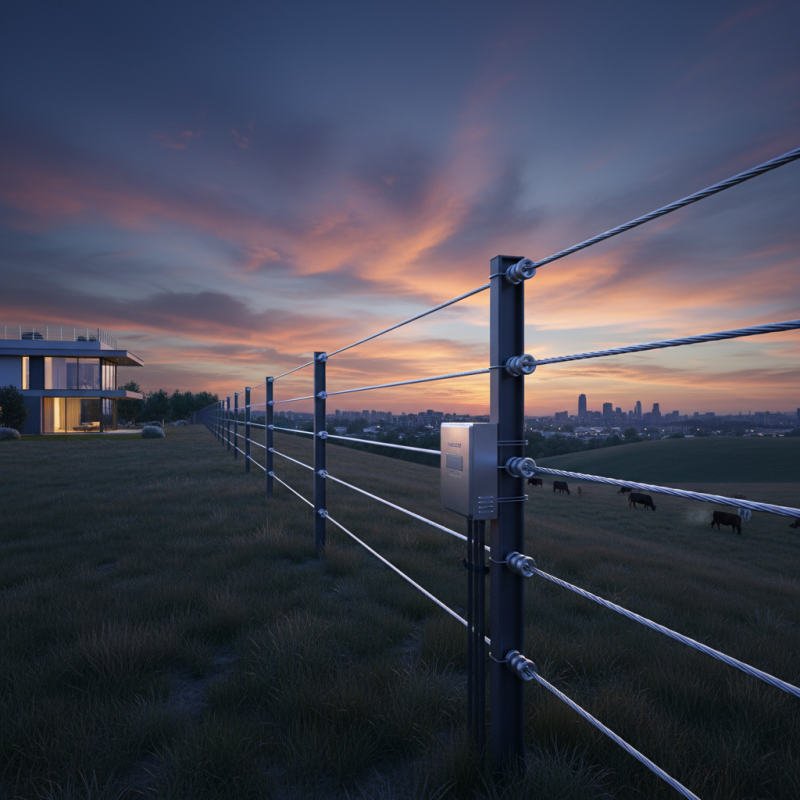
What is a High Voltage Output Electric Fence?
A high voltage output electric fence is a barrier designed to deter intruders and animals. It delivers a strong electric shock upon contact. This shock is not harmful but creates an intense sensation. The fence consists of a series of wires or electrified strands stretched between posts. The wires are connected to a powerful energizer that generates high-voltage pulses.
The key is in the energizer. It sends short bursts of electricity along the wire. These bursts can be adjusted to different voltages. The fence may look simple, but it is highly effective. Animals learn quickly to avoid the fence, making it a worthwhile investment for many property owners.
However, not all installations are perfect. Factors like vegetation or poor grounding can decrease effectiveness. Regular maintenance is essential to ensure it functions properly. Safety should be a priority, especially when children or pets are around. Understanding how it works will help in managing risks.
Components of a High Voltage Output Electric Fence
A high voltage output electric fence is designed to deter intruders and animals without inflicting serious harm. Its components play a crucial role in making it effective. The main part is the energizer, which converts standard electrical current into a high voltage pulse. This pulse travels along the fence wire, delivering a brief but powerful shock when contact is made.
Insulated wires are vital for these fences. They prevent unwanted grounding and ensure the electric pulse remains strong. The spacing and height of the wires also matter. A well-placed fence can be more effective than a poorly designed one. Some might even overlook the importance of proper grounding, which is essential for energy efficiency.
Additional accessories enhance functionality. Warning signs inform passersby about the electrified fence. Voltage testers help monitor the system’s integrity. Regular maintenance checks can prevent unexpected failures. Ignoring these can lead to a false sense of security. Every component has a purpose, and overlooking one can diminish overall effectiveness. The fence design must be tailored to specific needs, balancing safety and deterrent effectiveness.
How High Voltage Electric Fences Generate and Deliver Electricity
High voltage electric fences work by generating an electric charge that delivers a sudden shock when an intruder makes contact. The system typically operates at voltages ranging from 2,000 to 10,000 volts. This high voltage ensures that the fence is a strong deterrent against animals and unauthorized personnel. According to a report by the International Electric Fence Association, properly installed electric fences can reduce livestock losses by over 70%.
Electric fences generate electricity through a transformer connected to a power source, often a battery or a mains outlet. The transformer boosts the voltage, allowing it to travel along the fence wires. When the circuit is broken, either by a touch or an animal, a short burst of electricity flows, creating a jolting effect. The duration of this pulse is brief, usually lasting a fraction of a second, which minimizes harm while ensuring effectiveness. Data from agricultural studies show that these fences operate on a pulse rate of about 1 to 3 seconds, striking a balance between safety and deterrence.
However, despite their effectiveness, electric fences can have drawbacks. Improper installation may lead to inconsistent voltage delivery. Weather conditions, such as rain or snow, can affect the fence's performance. Areas with tall grass or foliage can create a grounding effect, reducing pulse strength. Regular maintenance and checks are essential, yet often neglected. This could compromise the fence's reliability over time, presenting challenges that require careful consideration.
Safety Features and Precautions for High Voltage Electric Fences
High voltage electric fences are effective barriers for livestock and property. However, safety should always be a priority. The design includes features to minimize risk, but caution is vital in their use.
One critical safety feature is insulated wiring. This wire helps prevent accidental shocks to humans and pets. Regular inspections are essential. Damaged wires can lead to unintentional electrocution. Additionally, high voltage output must be clearly marked. Warning signs help everyone recognize the potential danger.
User precautions are equally important. Always turn off the power before conducting maintenance. Wearing rubber gloves can add a layer of protection. Educating family members about the fence's purpose and risks is crucial. Children should understand not to touch the fence. Overall, while high voltage fences are effective, awareness and respect for safety features cannot be overlooked.
Voltage Output Levels of Electric Fences
Applications and Benefits of Using High Voltage Electric Fences
High voltage electric fences are valuable tools in agriculture and security.
They deliver a powerful shock to deter livestock or intruders without causing harm. This reliable solution helps keep animals within defined areas and protects properties from unwanted visitors.
The applications of high voltage fences vary widely. Farmers use them to manage livestock effectively. These fences reduce the need for physical barriers that can be costly and labor-intensive.
In urban settings, properties are often secured with these fences to prevent trespassing.
They can also protect gardens from wildlife.
Tips:
- Ensure proper installation to maximize effectiveness.
- Regular maintenance is key to preventing failures.
- Consider using signs to warn people about the electric fence.
While high voltage fences are efficient, they can pose risks. An untrained individual may mishandle them. It's essential to educate all users on safety protocols. Remember, the goal is to create a secure environment without unnecessary danger.
