What is a heavy duty slurry pump and how does it work?
In industries such as mining and construction, a heavy duty slurry pump plays a crucial role. According to a report by Global Market Insights, the slurry pump market is anticipated to exceed $5 billion by 2026, driven by increased demand for effective material handling solutions. These pumps are designed to transport abrasive and viscous materials, making them vital for operations involving slurries.
heavy duty slurry pumps can handle a wide range of tasks. They manage thick sludges and dense mixtures that standard pumps cannot. This capability greatly enhances productivity in sectors like oil, coal, and metallurgy. However, the variability in slurry properties presents challenges. Not all heavy duty slurry pumps perform equally in varying conditions. Often, improper selection leads to inefficiencies, such as increased wear or energy consumption.
Reflecting on their effectiveness, users of heavy duty slurry pumps must consider factors like pump design and application. A thorough understanding of the slurries being pumped is essential. Ultimately, the choice of pump can impact operational costs and performance significantly. This focus on specific needs is what sets apart successful operations from less efficient ones in today's competitive landscape.
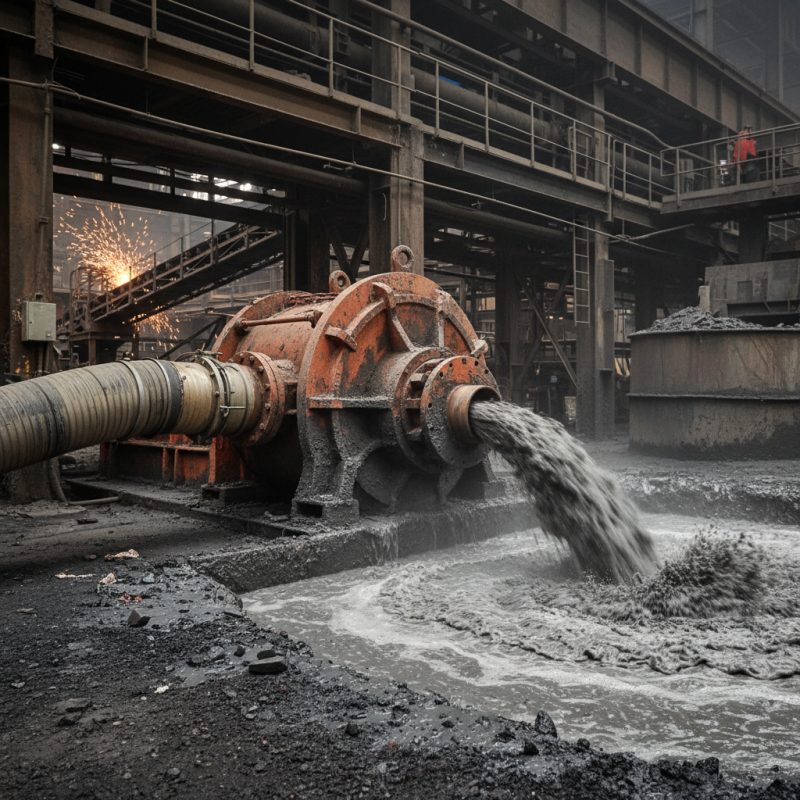
What is a Heavy Duty Slurry Pump?
A heavy duty slurry pump is a specialized type of pump designed for transporting abrasive and viscous fluids. These pumps are vital in industries like mining, construction, and manufacturing. They handle mixtures of liquids and solids, often in harsh environments. With their robust construction, heavy duty slurry pumps can manage high solid concentrations and various particle sizes. The flow rate can exceed 1,200 cubic meters per hour in some applications.
A common misconception is that all pumps can handle slurry. However, slurry requires specifically designed pumps to avoid damage. The materials used in heavy duty slurry pumps are essential. Rubber, metal, or ceramic linings protect against wear and tear. The impeller design plays a crucial role in performance. Poor pump choice can lead to increased downtime and maintenance costs.
Tips: Always check the pump's specifications to match them with your application needs. Regular maintenance is key. Inspect seals and casings for wear. Remember, even slight abrasion can cause long-term issues. Use pumps that are over-engineered for your specific conditions when possible. This adds longevity and efficiency.
Key Components of Heavy Duty Slurry Pumps
Heavy duty slurry pumps are designed to handle abrasive and viscous materials in various industries. They consist of several key components that ensure their efficiency and reliability. The pump casing is one of these crucial parts. It provides the structure to contain the slurry and withstand pressure variations. A well-designed casing minimizes wear and helps maintain performance.
Another significant component is the impeller. The impeller is responsible for moving the slurry through the pump. It must be robust and resilient to cope with heavy loads. Selecting the right material for the impeller can be challenging. It must balance durability and operational efficiency.
Seals are equally important in heavy duty slurry pumps. They prevent leaks and protect the internal components. Choosing effective sealing systems can be complex. It requires understanding the specific slurry characteristics. Each project may present different challenges regarding wear and maintenance. Proper installation and routine inspection are vital for optimal performance.
Working Principle of Slurry Pumps
A heavy-duty slurry pump is designed to handle abrasive and viscous materials. It plays a crucial role in mining, dredging, and industrial applications. Slurry pumps are notable for their robustness and efficiency, which make them invaluable in transporting stark mixtures of solids and liquids.
The working principle of slurry pumps relies on centrifugal force. As the pump rotates, the impeller generates a centrifugal action. This action pushes the slurry away from the impeller and into the pump casing. Reports indicate that a well-designed slurry pump can achieve efficiencies over 70%. However, wear and tear are common issues. Pumps can experience significant erosion due to the abrasive nature of the slurry.
When selecting a slurry pump, factors like the specific gravity of the slurry and the viscosity matter. Studies reveal that slurry densities can range from 1.5 to 2.5 tons per cubic meter, affecting the pump's operation. It is essential to regularly monitor pump performance. Neglect can lead to reduced efficiency or pump failure. Thus, understanding the workings of these pumps is vital for effective management in industrial environments.
Applications of Heavy Duty Slurry Pumps
Heavy duty slurry pumps are essential in various industries. They handle challenging tasks, moving abrasive and thick materials. These pumps are commonly used in mining, quarrying, and construction. For instance, they efficiently transport slurries containing sand, gravel, and sludge. Their robust design allows them to operate under harsh conditions.
In the mining sector, slurry pumps play a crucial role. They help in the extraction of mineral ores. By moving materials through pipelines, they reduce manual labor and improve efficiency. However, wear and tear can occur, leading to costly downtime. Regular maintenance is vital to prolong their lifespan.
Wastewater treatment facilities also rely on these pumps. They help manage sludge effectively, ensuring clean water is released back into the environment. Despite their effectiveness, operators must consider the risks of pump failure. Investing in quality maintenance can minimize such risks and enhance reliability. Proper training for staff is equally important to operate these pumps safely.
Applications of Heavy Duty Slurry Pumps
Maintenance and Troubleshooting for Slurry Pumps
Maintenance is crucial for slurry pumps. Regular checks can prevent significant failures. Inspect the pump regularly for wear and tear. Look for leaks or unusual vibrations. These signs can indicate deeper issues. Early detection can save time and money.
Cleaning is another important aspect. Slurry can build up in various parts of the pump. Ensure that the inlet and outlet areas remain clear. Blocks can cause reduced efficiency. It’s essential to flush the system frequently, especially after heavy use.
Troubleshooting can be challenging. If the pump loses prime, check the fluid levels. Air leaks in pipes may also lead to problems. A noisy pump often signals issues with bearings or impellers. Address these problems promptly to extend the pump's life. Regular maintenance and troubleshooting are essential for efficient operation.
What is a Heavy Duty Slurry Pump and How Does It Work? - Maintenance and Troubleshooting for Slurry Pumps
| Feature | Description | Common Applications |
| Material | Made from high-chrome alloys or rubber for abrasion resistance | Mining, dredging, and wastewater treatment |
| Design Type | Centrifugal design typically with a robust casing | Transporting slurries with high solids content |
| Operating Conditions | Handles high pressures and temperatures | Heavy industrial processes |
| Maintenance Requirement | Regular inspection of wear parts and seals | Scheduled maintenance in operational protocols |
| Troubleshooting Common Issues | Vibration, overheating, and leaks | System performance evaluation and repairs |
