What are Color Changing Lights and How Do They Work?
Color-Changing Lights have captured our imagination in recent years. These innovative lighting solutions transform spaces with vibrant hues. They can change the ambiance of a room in seconds. Whether used for relaxation or celebration, their versatility is remarkable.
The technology behind Color-Changing Lights is fascinating yet complex. These lights utilize LEDs that emit different wavelengths of light. Users can easily adjust colors through apps or remote controls. This interaction creates a personal experience that can be tailored to any mood. However, it's essential to consider the impact of excessive brightness on our eyes.
While Color-Changing Lights offer creativity, they also pose challenges. Not everyone finds them appealing or easy to use. Some lights can be overwhelming, detracting from a serene atmosphere. Additionally, their environmental impact warrants reflection. Are these lights a sustainable choice for the future? As we embrace colorfully illuminated spaces, we must ponder whether their benefits truly outweigh their drawbacks.
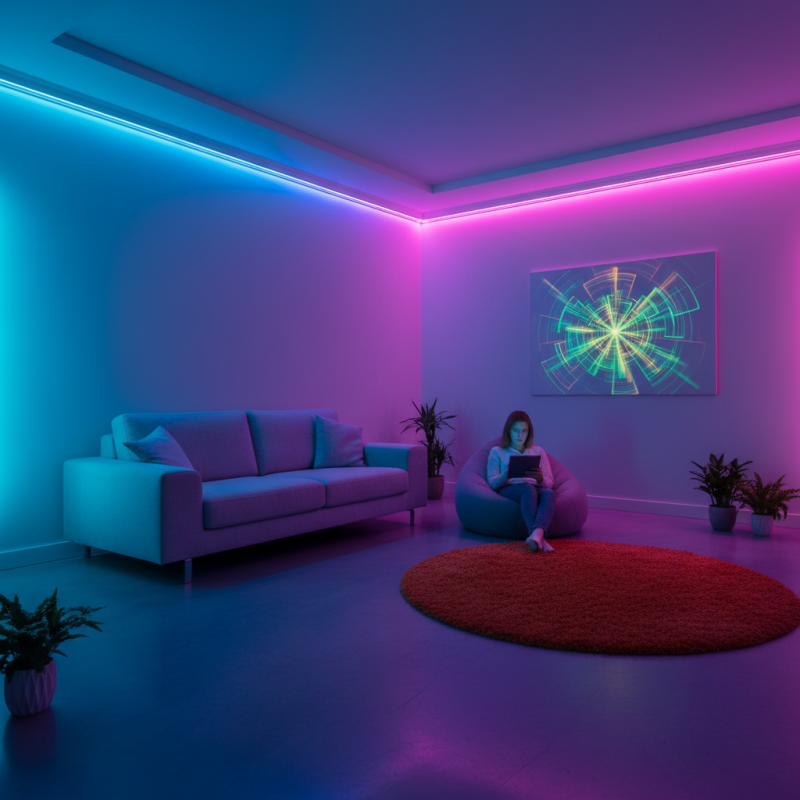
Definition and Overview of Color Changing Lights
Color changing lights are innovative lighting solutions that can alter the color of light emitted. They use various technologies to create a range of colors. These lights can change based on user input, often through remote controls, apps, or built-in settings. Their versatility makes them popular for home decor, events, and even mood enhancement.
Many color changing lights utilize LEDs. LEDs are energy-efficient and durable. Users can mix colors by adjusting the light's intensity and hue. Some systems allow for dynamic changes, creating light shows that react to music or movement. This brings an interactive element to lighting. However, not all color changing lights have the same quality. Sometimes, the color may not appear as intended.
Tips: When choosing color changing lights, consider their brightness level. Softer lights create a more relaxing atmosphere. Test the lights in your space to see how colors change with room conditions. Also, look for options that include timer settings. They can enhance your routine or special events. Be mindful of the energy consumption as well.
As you explore color changing lights, reflect on your needs. It’s essential to balance aesthetics and functionality. Too many options can be overwhelming. Find a system that fits your lifestyle and enhances your environment effectively.
Types of Color Changing Lights: LED, RGB, and More
Color changing lights have become increasingly popular in home decor and events. They create a unique atmosphere and enhance the mood of any space. There are several types of color changing lights available, with LED and RGB being the most common. These lights offer a spectrum of colors, making them versatile for various settings.
LED lights are known for their energy efficiency and longevity. They can change colors through various settings, often controlled with a remote or smartphone app. RGB lights mix red, green, and blue to produce millions of colors. It's fascinating how these basic colors blend together. Some RGB setups allow users to customize colors according to their mood or occasion. However, finding the perfect combination can be challenging for some.
In addition to LED and RGB, there are other types of color changing lights. For instance, there are smart bulbs that adapt to your daily routine. They can shift colors based on the time of day. While this feature is innovative, it can sometimes feel overwhelming. Technology should simplify our lives, yet it can complicate even simple tasks. Many people find it hard to utilize all available settings. Experimenting with different types may lead to unexpected results.
What are Color Changing Lights and How Do They Work? - Types of Color Changing Lights: LED, RGB, and More
| Type | Description | Color Range | Energy Efficiency | Lifespan |
| LED Lights | Light Emitting Diodes that can change colors based on electrical input. | Red, Green, Blue, and White | Very Energy Efficient | 25,000 - 50,000 hours |
| RGB Lights | Combines Red, Green, and Blue LEDs to create a wide spectrum of colors. | Any color achievable through mixing | Energy Efficient | 15,000 - 25,000 hours |
| Smart Color Changing Bulbs | Connected to smart home systems for remote control and scheduling. | Full RGB + Warm and Cool White | Very Energy Efficient | 20,000 - 50,000 hours |
| Incandescent Color Changing Bulbs | Standard incandescent bulbs with color filters. | Limited colors based on filters | Less Efficient | 1,000 - 2,000 hours |
Mechanism of Color Change: Principles and Technologies
Color changing lights are fascinating devices that utilize various technologies to alter their hue. The mechanism of color change generally revolves around principles like additive color mixing and the use of LEDs. According to a report by the International Energy Agency, by 2023, LED lighting is expected to account for over 60% of global lighting sales. This significant trend emphasizes how consumers are increasingly drawn to energy-efficient lighting options that also offer dynamic colors.
The technology behind these lights often includes phosphor conversion. This method involves LEDs emitting blue light, which then excites phosphor materials, producing different colors. Research indicates that consumers prefer adjustable color temperatures, with 75% of users reporting enhanced mood when using color changing lights. However, not all setups are perfect. Some users experience inconsistency in color output, leading to dissatisfaction. Ensuring that the lights maintain their promised color range continues to be an area for improvement.
Another approach involves digital control systems. These systems enable intricate patterns and color shifts. While this offers creative flexibility, it can also lead to technical challenges. Color precision may falter, especially in large installations. Ultimately, while color changing lights have advanced rapidly, ongoing refinements are crucial to meet user expectations effectively.
Color Changing Lights: Energy Consumption by Technology
Applications of Color Changing Lights in Daily Life
Color changing lights have become increasingly popular in many aspects of daily life. These versatile lights can create different atmospheres and enhance spaces. You might find them in homes, restaurants, and even offices. For instance, changing colors can help set a mood for a romantic dinner or add vivid energy to a party.
In homes, color changing lights are often used in living rooms and bedrooms. They can be adjusted to match decor or personal taste. Some people love warm tones for relaxation. Others prefer vibrant hues for excitement.
In restaurants, these lights create unique dining experiences. They can shift from soft blues during dinner to lively reds for later hours. However, their overuse can lead to visual clutter, making it hard to focus.
Moreover, color changing lights are practical in workplaces. They can influence productivity and mood. A calm blue might help during intense tasks, while bright yellow can spark creativity. Yet, not everyone appreciates these constant changes. Some find them distracting. The balance between function and aesthetics is essential, raising questions about our preferences.
Benefits and Considerations When Using Color Changing Lights
Color changing lights have become popular in homes and commercial spaces. They can change the mood in a room instantly. The ability to adjust colors brings excitement and creativity to lighting designs. However, there are benefits and considerations to think about when using them.
One main benefit is versatility. You can choose colors for different occasions and themes. A warm yellow can create a cozy atmosphere, while blue can be calming. This flexibility can enhance emotional responses and improve overall well-being. However, color preference can vary widely. Not everyone responds to colors in the same way. Some might find certain colors distracting or overwhelming.
Energy efficiency is another positive aspect. Many color changing lights use LED technology, which saves power. This can reduce electricity bills in the long run. Still, these lights require a compatible system for optimal function. It might be frustrating to find that not all bulbs work with every fixture. Also, remote controls or mobile apps needed for adjustments can sometimes be inconvenient. Keeping up with technology can become a hassle.
