How to Choose the Right Water Pump Casing for Your Needs?
Choosing the right water pump casing can feel overwhelming. There are many options available, each designed for specific needs. A water pump casing’s material plays a crucial role. You may find plastic casings lighter and more affordable. However, metal casings often offer better durability and corrosion resistance.
Consider the pump's application before deciding. For example, residential tasks might not require heavy-duty options. In contrast, industrial settings often demand robust materials. It can be tempting to choose the cheapest option. This choice may lead to frequent replacements and increased costs down the line.
Reflect on the environment where the pump will be used. Whether it’s for irrigation, drainage, or another purpose, the right casing matters. A pump’s efficiency can be hindered if the casing does not match its intended use. Overall, understanding your requirements is essential for making an informed decision about your water pump casing.
Factors to Consider When Selecting a Water Pump Casing
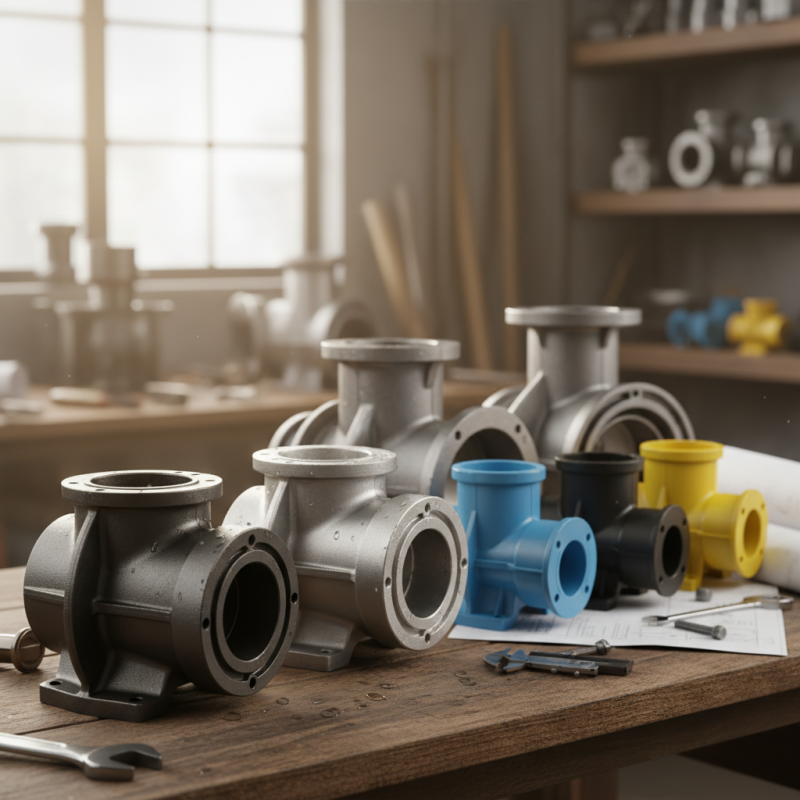
When selecting a water pump casing, several factors are crucial. The material choice is significant. Common options include cast iron, stainless steel, and plastic. Consider the environmental conditions. For instance, a corrosive environment may require stainless steel or specialized coatings. A wrong choice could lead to early failure.
The size of the casing is another vital aspect. It must fit the pump model and align with your specific needs. Measure carefully to avoid compatibility issues. Additionally, think about the expected flow rate. A casing too small can restrict performance. An oversized casing may waste energy and resources.
Don’t overlook the installation and maintenance requirements either. Some casings may need specialized tools for setup. Evaluate how often maintenance will be required. You might not have the time or expertise for complex cases. Remember, the right casing can enhance efficiency and longevity. Analyze your needs closely before making a decision. This reflection can prevent mistakes and ensure better performance.
Types of Water Pump Casings and Their Applications
When selecting a water pump casing, understand the different types available. Each type serves specific purposes and has unique benefits. For instance, a plastic casing is lightweight and resistant to corrosion. It’s suitable for residential use. In contrast, metal casings are robust and can handle high-pressure applications. They are often found in industrial settings.
Consider the environment where the pump will be used. If it’s exposed to harsh conditions, choose a casing that can endure. A stainless steel casing can withstand extreme temperatures and damaged surfaces. Not all applications require heavy-duty materials, but investing in quality is essential.
Tips: Always measure the required flow rate before deciding on a casing. Misjudgment may lead to inefficient performance. Evaluate the installation space; some casings require more room for maintenance. Ensure that you consider the noise level of the pump, as some casings may amplify sound. Take the time to conduct thorough research; choosing the right casing can save future headaches.
Material Options for Water Pump Casings
Choosing the right material for your water pump casing is crucial. Different materials offer various benefits and drawbacks. Common options include cast iron, plastic, and stainless steel. Each has its unique features.
Cast iron is sturdy and durable. It can handle high pressures well. However, it is also heavy. This weight can complicate installation and maintenance. Rust is another concern. Proper care is necessary to prevent corrosion.
Plastic casings are lighter and often more affordable. They resist rust and corrosion. However, they may not withstand high temperatures as well. They can warp or crack under extreme conditions. Stainless steel is a strong alternative. It’s resistant to corrosion and suitable for tough environments. Yet, it is expensive. Finding the right balance of durability, weight, and cost can be challenging.
Sizing Your Water Pump Casing for Optimal Performance
Choosing the right water pump casing is crucial for efficiency. Sizing it correctly ensures optimal performance. A pump casing that’s too small may lead to overheating, while one that's too large can result in reduced efficiency. A report from the Hydraulic Institute indicates that proper sizing can improve energy efficiency by up to 20%.
When selecting a casing, consider the flow rate and total dynamic head (TDH). The casing should accommodate the specific requirements of your application. Overlooking these factors can lead to operational issues. Aim for accuracy in your calculations.
Tips: Always consult with a professional for precise measurements. Use flow meters to gauge your system's needs. It's important to reevaluate your setup as conditions change. Regular checks can prevent costly breakdowns and ensure sustained performance. Choosing wisely can save you time and money in the long run.
Maintenance Tips for Water Pump Casings to Ensure Longevity
Maintaining your water pump casing is essential for longevity. Regular checks can prevent costly repairs. Inspect the casing for cracks or signs of wear. Small issues can escalate quickly without attention.
Here are some tips for proper maintenance. Clean the casing routinely. Debris can cause overheating. Ensure proper sealing around joints. This helps maintain pressure and efficiency. Pay attention to rust and corrosion. These can compromise the casing's integrity.
Keep an eye on the environment. Extreme temperatures can affect performance. If your pump is outdoors, consider using protective covers. This can shield it from harsh weather. Remember to review the casing’s manual for specific maintenance guidelines tailored to your pump type.
Water Pump Casing Material Comparison
