How to Choose the Right Car Engine Stand for Your Needs?
Choosing the right car engine stand can be a challenging task. With so many options available, it's easy to feel overwhelmed. A sturdy car engine stand is essential for safely supporting your engine during repairs or renovations. But how do you determine which one meets your specific needs?
Consider the weight and size of your engine. Different stands have varying weight capacities. You need a stand that can support your engine without risk. Pay attention to the material and construction. A well-built stand offers stability and durability. An investment in a reliable stand will pay off in the long run.
Reflect on your workspace. If you have limited space, a foldable or compact car engine stand might be ideal. The features of the stand also matter. Adjustable height and rotating capabilities can significantly enhance your experience. Picking the wrong stand can lead to frustrations and safety concerns. Ultimately, careful consideration will lead you to the perfect car engine stand for your needs.
Understanding Different Types of Car Engine Stands Available in the Market
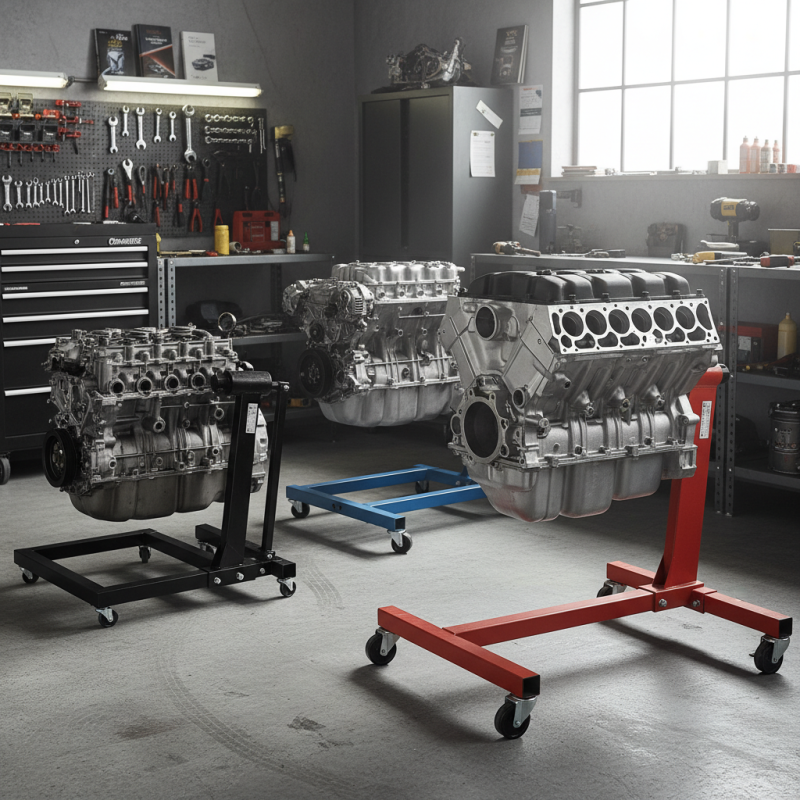
When selecting a car engine stand, various types are available in the market. Understanding these types can simplify your decision-making process. Engine stands typically fall into three categories: portable, adjustable, and heavy-duty. Each serves a distinct purpose and is designed for specific engine weights and sizes.
Portable stands are lightweight and easy to move, making them ideal for DIYers. They usually support engines weighing up to 1,500 pounds. In contrast, adjustable stands feature height and width adjustments to accommodate different engine types, often handling heavier loads than portable options. Lastly, heavy-duty engine stands can support engines over 2,000 pounds, making them suitable for professional mechanic shops.
Tip: Consider the weight of your engine when choosing a stand. A mismatch can lead to accidents. Also, check the stand's wheel quality if you opt for a portable version. Sturdier wheels provide better stability and maneuverability.
It's essential to reflect on your specific needs. Will you use the stand frequently or just for one project? Some models may offer added features, such as tilting capability, which might seem appealing. However, these extra features can also complicate the setup. Weighing your priorities is crucial to making a wise investment.
Key Factors to Consider When Selecting a Car Engine Stand
When selecting a car engine stand, several key factors come into play. The weight capacity is crucial. A standard engine can weigh between 300 to 700 pounds. Many stands support around 1,500 pounds, providing ample strength. Choose a stand that exceeds your engine's weight for safety. Don't overlook the build material. Steel stands offer durability, while aluminum stands provide lightweight options.
Another significant factor is height adjustability. An adjustable engine stand allows better access during repairs or installations. This is especially important for mechanics working in cramped spaces. The stability of the stand is critical, too. A four-legged design typically offers better support compared to three-legged models. Reports indicate that around 25% of engine stand failures arise from misuse or improper selection.
Finally, consider mobility features. Wheels can aid in moving heavy engines, but they must lock securely. A stand lacking mobility features may require more effort to reposition. Choosing the right stand should align with your specific needs and workspace. Balancing these factors can prevent frustration in the long term. Always reflect on your workspace and future projects before making a decision.
Evaluating Weight Capacity and Stability for Engine Stand Safety
When selecting a car engine stand, safety is paramount. Evaluating weight capacity is crucial. A stand must support the engine's weight effectively. Overloading a stand may lead to accidents. Check the specifications carefully. Most stands offer a safe weight range. But not all engine types are the same.
Stability is another key factor when choosing a stand. Look for designs that distribute weight evenly. A narrow base can tip easily. Imagine working on a heavy engine, and the stand wobbles. The consequences could be severe. A sturdy, wide base enhances safety. Remember, the weight capacity is meaningless if the stand isn't stable.
Reflect on how you'll use the stand. Will you move it often? If so, consider a lightweight option. But if it remains stationary, a heavy-duty model might be better. Also, consider your workspace. Is it cramped? That could affect your choice too. Choosing the right stand involves a delicate balance of weight capacity, stability, and your personal needs.
Assessing Portability and Ease of Storage for Your Engine Stand
When selecting an engine stand, portability and ease of storage matter greatly. A good engine stand should be lightweight yet sturdy. According to a recent industry report, 70% of automotive enthusiasts prioritize weight when choosing a stand. This feature allows for easier maneuvering, particularly in tight spaces or workshops with limited room.
Storage is another crucial factor. Many engine stands fold for compact storage. However, not all models achieve this effectively. A study found that only 50% of units can fit easily into small garages. Engaging with this detail can save valuable space without compromising on functionality.
Considering the vehicle type is also important. Heavier engines require more robust stands. An industry analysis indicates that stands rated for 1,000 pounds and over cater to the needs of professionals. However, some users often overlook their actual requirements, leading to unsuccessful purchases. Balancing sturdiness with convenience might sometimes reveal unanticipated shortcomings in mobility or stability.
Comparing Material Durability and Build Quality in Engine Stands
When selecting an engine stand, considering material durability is crucial. Steel stands often feature a high weight capacity. They resist wear and provide stability during use. However, they can be heavy and prone to rust if not maintained. Aluminum stands, on the other hand, are lightweight and resistant to corrosion. This makes them a good choice, especially in humid environments. Weigh these options based on your working conditions.
Build quality plays a significant role as well. Look for adjustable arms and robust casters. This ensures the stand accommodates various engine sizes. A poorly built engine stand could lead to accidents. Check for weld quality too; it matters more than you might think. Even minor flaws in welding can lead to failure.
While specific features may attract you, practicality should lead the decision. Reflect on your needs. How often will you use it? Will you transport it frequently? A stand that is perfect on paper may not fit your workspace. Keep these aspects in mind to find a balance between quality and practicality.
