How to Choose the Right Aluminium Windows and Doors?
Choosing the right Aluminium Windows And Doors can significantly enhance your home’s aesthetic and energy efficiency. According to the latest market analysis by industry expert John Williams, “Aluminium is the optimal choice for modern windows and doors.” The global market for aluminium windows is expected to grow by 7% annually, driven by increasing demand for energy-efficient products.
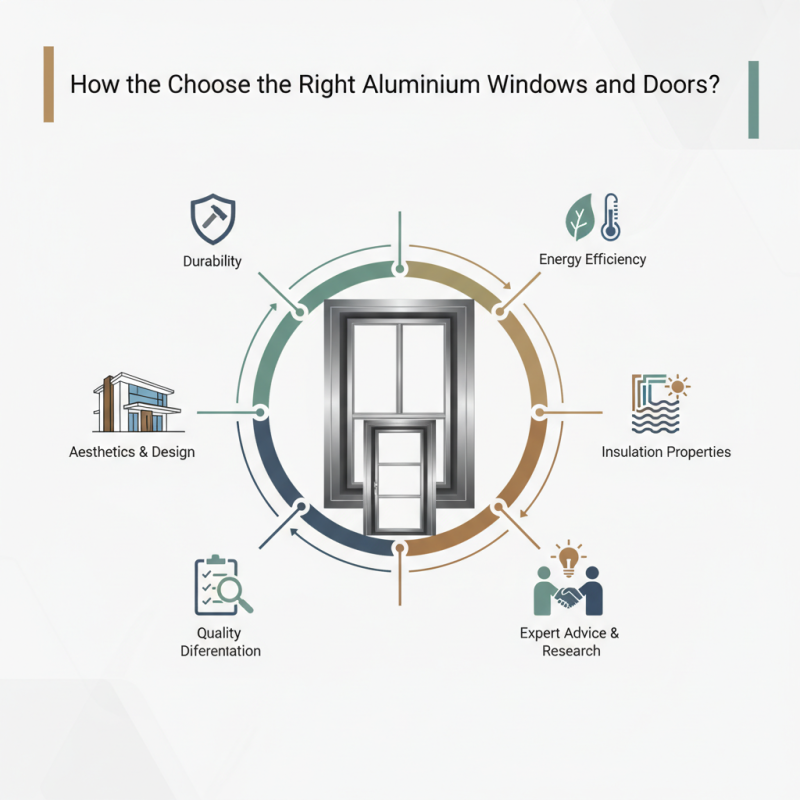
However, many homeowners face challenges in selecting suitable options. Factors like durability, design, and insulation properties should be considered. Aluminum’s lightweight nature and resistance to corrosion make it an appealing choice. Yet, not every aluminium product meets the required standards. It is crucial to differentiate between premium and low-quality options.
Furthermore, aesthetics cannot be overlooked. Homeowners often aim for designs that not only serve practical purposes but also enhance visual appeal. This can sometimes lead to conflicts between style and performance. Inadequate research might result in purchases that do not align with overall design goals. Careful consideration and expert advice are essential in this journey of selecting the right Aluminium Windows and Doors.
Understanding the Benefits of Aluminium Windows and Doors in Your Home
Aluminium windows and doors offer numerous benefits for homeowners. They are lightweight yet strong, making them ideal for various architectural styles. The sleek look of aluminium enhances the modern aesthetic of any home. Unlike other materials, aluminium frames do not warp or crack, providing longevity. They require little maintenance, saving you time and effort. However, the initial cost can be higher than wood or vinyl, which may require careful budgeting.
Energy efficiency is another crucial advantage of aluminium windows and doors. They can be designed with thermal breaks to minimize heat transfer. This feature helps maintain indoor temperatures and reduces energy bills. Plus, many options come with double or triple glazing for added insulation. Some homeowners might worry about condensation in extreme weather, but proper sealing can mitigate this issue.
Security is another major consideration. Aluminium frames are robust, making it difficult for intruders to break in. Choosing the right locks is essential, though. Some people overlook this detail, which could lead to future safety concerns. Make sure to evaluate your needs carefully and weigh the benefits against potential drawbacks before making a decision.
Key Factors to Consider When Selecting Aluminium Products for Durability
Choosing the right aluminium windows and doors requires careful consideration of several key factors. Durability is paramount. Look for products that feature high-quality aluminium. The alloy used should resist corrosion and withstand harsh weather. This ensures longevity and less maintenance over time.
Another important aspect is the finish. A good powder coating adds an extra layer of protection. This finish not only enhances appearance but also boosts durability. Colors should resist fading. A vibrant color can be appealing but may require touch-ups sooner than expected.
Insulation is also crucial. Double-glazed units improve energy efficiency. However, not every product meets the same standards. Research the thermal performance ratings. Poor insulation can lead to discomfort and higher energy bills. Pay attention to reviews and feedback on insulation performance. Opting for durable aluminium can save money in the long run.
Comparing Energy Efficiency Ratings of Aluminium Windows and Doors Models
When selecting aluminium windows and doors, energy efficiency is crucial. The energy efficiency rating can significantly affect your energy costs. Research shows that buildings lose 30% of their heat through windows. Choosing the right models can help reduce this loss. Many aluminum windows and doors have energy ratings ranging from A to G. An A-rated window could save a household over £600 a year on energy bills.
It's essential to compare different models. Look for the U-factor, which measures heat transfer. A lower U-factor indicates better insulation. For instance, a window with a U-factor of 1.2 W/m²K is more efficient than one rated at 2.5 W/m²K. In addition, consider the solar heat gain coefficient (SHGC). Higher values mean better heat retention in winter but can trap heat in summer. Finding the right balance can be challenging.
Not all aluminium frames are created equal. Some provide excellent insulation while others do not. It's worth noting that while thermally broken aluminium frames improve energy efficiency, they may also come at a higher cost. This relationship between performance and price should influence your choice. Always evaluate the long-term savings against the initial investment.
Energy Efficiency Ratings of Aluminium Windows and Doors
Exploring Design Options and Aesthetics for Aluminium Windows and Doors
Choosing the right aluminium windows and doors involves careful consideration of design and aesthetics. Aluminium frames can be tailored to many styles. Think modern, minimalist, or traditional. The color finishes also add depth. Classic white may suit a cottage, while bold black fits an industrial look.
Textures and finishes matter, too. Polished surfaces reflect light, while matte options offer subtlety. A wood grain finish can mimic natural materials. However, it may not be as durable. Reflecting on your home's architecture is crucial. A mismatch can disrupt harmony.
Choices can be overwhelming. Rethink your priorities. Functionality is key, but aesthetics shouldn't be overlooked. Look for options that resonate with your personal style. Consider the climate in your area. This affects both style and performance. Ultimately, it’s about finding that balance.
Cost Analysis: Budgeting for Quality Aluminium Windows and Doors Installation
When budgeting for aluminium windows and doors, it’s essential to consider various factors. The cost can vary widely based on materials, sizes, and designs. On average, high-quality aluminium installations may range from $500 to $1,200 per unit. Features like thermal breaks can impact pricing significantly due to enhanced energy efficiency.
Tips for budgeting wisely include measuring your space accurately. Understand the dimensions of your windows and doors. This helps you avoid overpaying for items that don’t fit. Remember to account for installation costs too, as they can add up. Sometimes, opting for standard sizes can help save money. Custom sizes often come with a premium.
Check if there are local incentives for energy-efficient installations. Many regions offer tax credits or rebates. This can help offset initial costs. Also, researching multiple suppliers can provide better pricing options. Don't rush. Take your time to compare materials and craftsmanship. Choosing poorly can lead to regrets down the line. Finding the right balance between cost and quality is crucial.
