How to Choose the Best Led Spotlights for Your Needs?
Choosing the right LED spotlights can significantly enhance your space. With many options available, it can feel overwhelming. Understanding your needs is crucial in making an informed choice.
LED spotlights are energy-efficient and versatile lighting solutions. They work well for both indoor and outdoor settings. Their ability to focus light on specific areas makes them ideal for artwork, landscaping, and general illumination. However, not all LED spotlights are created equal. Some might lack the brightness or color accuracy you desire.
Take time to consider your requirements. Think about the areas you wish to illuminate. Do you need adjustable brightness or different color temperatures? Keep in mind that the wrong choice can lead to disappointment. Research and reflect on your lighting needs before making a decision.
Understanding the Different Types of LED Spotlights Available
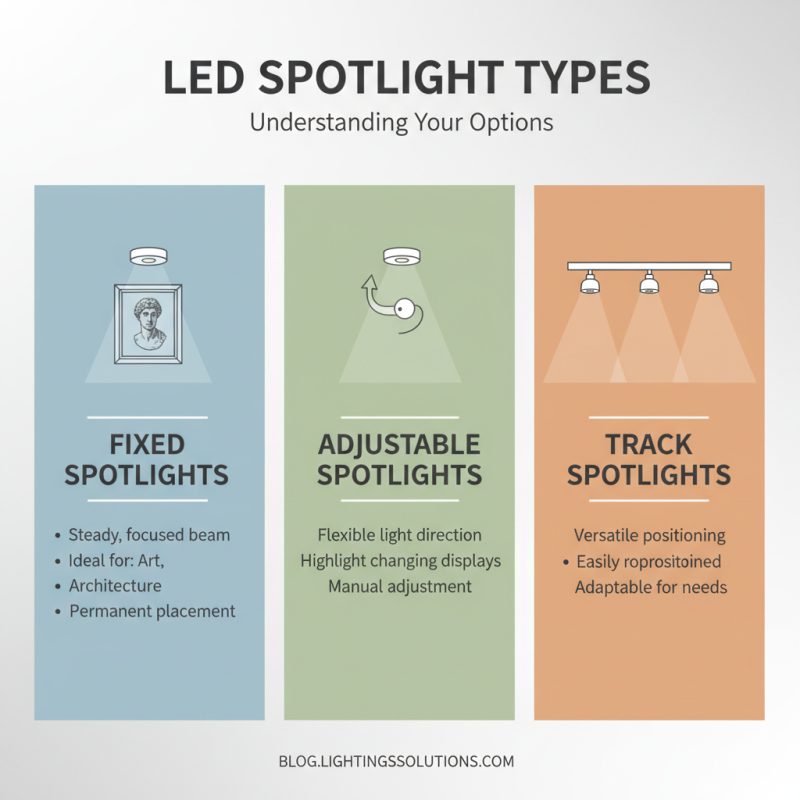
When choosing LED spotlights, it's essential to understand the different types available. There are several types, including fixed, adjustable, and track spotlights. Fixed spotlights provide a steady beam and are ideal for highlighting art or architecture. Adjustable spotlights allow flexibility in directing light where it’s needed most. Track spotlights offer versatility; they can be repositioned on a track to suit changing needs.
Tips: Consider the brightness level measured in lumens. Higher lumens mean brighter light. Think about the color temperature as well. Warmer tones create a cozy atmosphere, while cooler tones offer a modern feel. Always check the beam angle to determine how focused or spread out the light will be.
Getting the right spotlight can be tricky. Not all types will suit your space or purpose. It's helpful to visualize the areas you want to illuminate. Maybe try sample lights before making a final decision. This trial and error can lead to more satisfaction in the long run. Don't hesitate to seek advice from professionals in lighting design. Their insights might highlight aspects you haven't considered.
Identifying Your Lighting Needs and Application Areas
When selecting LED spotlights, understanding your specific lighting needs is essential. Consider the room’s purpose and size before choosing the spotlight’s brightness and beam angle. For example, a narrow beam works well for accent lighting, while a wider beam suits general illumination. Reflect on where you’ll install these lights—ceilings, walls, or outdoor spaces all require different considerations.
Think about the atmosphere you want to create. Warm light tones offer a cozy feel, ideal for living rooms or bedrooms. Cooler tones fit better in workspaces or kitchens. Don’t forget about the fixture’s design and how it matches your interior style. Practical aspects like energy efficiency and lifespan matter, but they sometimes get overlooked. You might find powerful lights that consume too much energy or dim options that don’t light the area properly.
Lighting is not always perfect on the first try. Testing different angles and intensities can improve your setup. Take measurements and observe shadows or glare after installation. This trial-and-error process helps achieve balanced lighting that fits your needs. Remember, choosing LED spotlights is a mix of science and personal preference, so allow room for adjustments along the way.
Evaluating Brightness and Color Temperature for Spotlights
When selecting LED spotlights, brightness and color temperature are crucial factors. Brightness is measured in lumens. According to the Illuminating Engineering Society, a well-lit area requires about 300 to 500 lumens for general tasks. Spotlights aimed at specific tasks, like artwork illumination, may need 1,000 lumens or more for optimal visibility.
Color temperature affects ambiance. Measured in Kelvin (K), lower values (2700K-3000K) yield warm light, creating a cozy atmosphere. Higher values (4000K-5000K) provide cooler light, ideal for task-oriented environments. A report from the Department of Energy highlights that 90% of consumers prefer warm white light for residential settings. Yet, many underestimate the impact of color temperature on mood and functionality.
Choosing the right combination can be complex. Many users express confusion over what works best for their needs. While warm light fosters relaxation, cooler tones stimulate focus. This balance often requires testing different options in your space. Lighting is not universally one-size-fits-all. Understanding your environment and purpose is vital for making informed decisions.
How to Choose the Best Led Spotlights for Your Needs? - Evaluating Brightness and Color Temperature for Spotlights
| Model |
Brightness (Lumens) |
Color Temperature (Kelvin) |
Beam Angle (Degrees) |
Lifespan (Hours) |
Energy Consumption (Watts) |
| Model A |
800 |
3000 |
40 |
25000 |
10 |
| Model B |
1000 |
4000 |
25 |
30000 |
12 |
| Model C |
600 |
6500 |
30 |
20000 |
9 |
| Model D |
1200 |
3000 |
60 |
50000 |
15 |
| Model E |
900 |
4500 |
50 |
35000 |
11 |
Key Features to Consider When Choosing LED Spotlights
Choosing the right LED spotlights requires considering key features that suit your needs. One important aspect is lumen output. More lumens mean brighter light. Decide if you need soft lighting for ambiance or bright lighting for tasks.
Another critical consideration is color temperature. This affects the mood of the space. Cooler temperatures create a vibrant atmosphere, while warmer tones provide relaxation. Also, check the beam angle. A narrow angle focuses light on specific spots, while a wider angle illuminates large areas.
Don’t overlook energy efficiency. An efficient spotlight saves money in the long run. Note the average lifespan of the bulbs. Longer-lasting products reduce replacement frequency. Take time to reflect on your unique situations. Each setting is different; your choice should match those needs.
Assessing Energy Efficiency and Longevity of LED Spotlights
When considering LED spotlights, energy efficiency is paramount. According to the U.S. Department of Energy, LED lighting uses at least 75% less energy than traditional incandescent bulbs. This efficiency not only reduces electricity bills but also diminishes environmental impact. Each LED spotlight has a luminous efficacy rating, typically between 80-100 lumens per watt. Higher efficacy indicates more effective light output per energy unit consumed.
Longevity is another crucial factor in spotlight selection. Estimates suggest that LED lights can last up to 25,000 hours or more, significantly outpacing incandescent and halogen options. This longevity results in fewer replacements and less waste. Yet, some users report early failures linked to overheating or poor quality components. It’s essential to evaluate the thermal management features of spotlights. A well-designed fixture can mitigate heat build-up, extending the lifespan of the LEDs.
Despite the advantages, potential drawbacks exist. Users should also be mindful of light quality. Not all LED products provide consistent color temperature or dimming capabilities. A lower-quality LED might flicker or offer an unsatisfactory light experience. Research shows that about 30% of consumers are dissatisfied with their LED lighting due to these issues. Always check for reputable third-party testing or certifications to gauge reliability before making a purchase.