Best Warehouse Metal Doors for Maximum Security and Durability?
In the world of logistics and storage, security is paramount. Warehouse Metal Doors play a crucial role in safeguarding valuable assets. These doors not only provide physical protection but also enhance overall building integrity. Designed to be robust, they resist wear and damage over time.
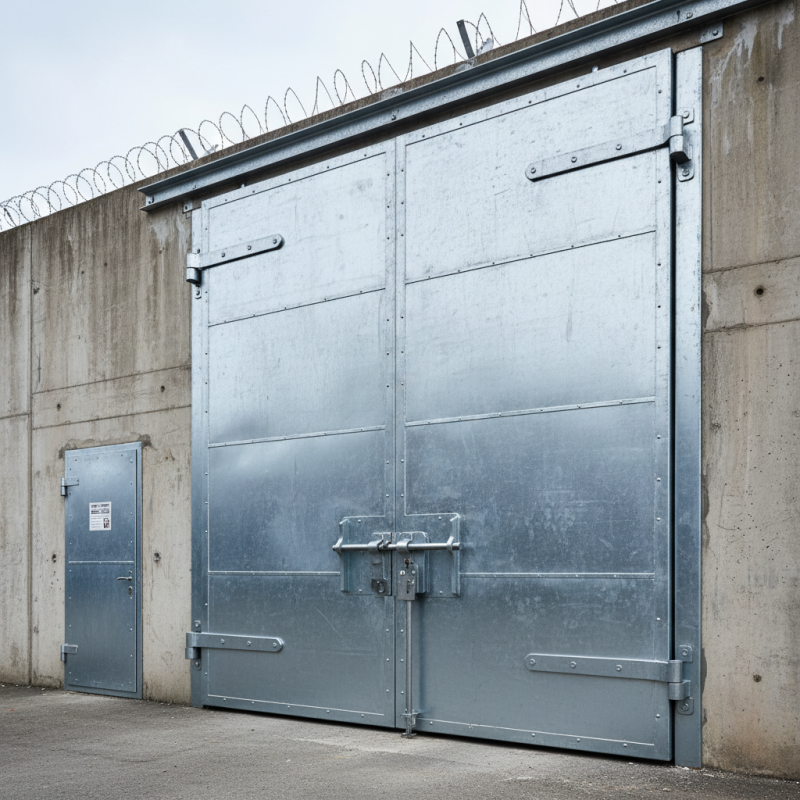
Choosing the right warehouse metal doors involves careful consideration. Factors include thickness, material quality, and resistance to environmental conditions. Experts often recommend doors made from galvanized steel for durability. However, it's important to reflect on the balance between security and accessibility. Sometimes, high security might hinder quick entry and exit.
Warehouse metal doors are an investment that requires thoughtful planning. They should meet specific needs without being overly complex. Not every solution works for every warehouse. Engaging with experienced manufacturers can lead to better options tailored for your situation. These details can make all the difference in long-term performance.
Types of Metal Doors Commonly Used in Warehouses
When it comes to warehouse security, metal doors offer a solid solution. Different types cater to varied needs. Steel doors are popular for their strength. They resist impact and are hard to break into. Many warehouses also opt for hollow metal doors. These are lightweight yet durable. They provide robust security without compromising on ease of use.
Another option is insulated steel doors. They help maintain temperature control inside the warehouse. This can be crucial for certain products, like food or chemicals. Some facilities use fire-rated doors. These are designed to slow down flames, enhancing safety. However, monitoring and maintenance are vital to ensure that these doors function properly. Regular checks can prevent potential issues that might compromise security.
Choosing the right metal door requires careful evaluation. Consider the specific needs of the warehouse environment. Different materials and features will suit different security levels. Each choice presents various advantages and challenges. A balanced approach can lead to better long-term results. This makes it essential to assess all options thoughtfully.
Key Features to Consider for Warehouse Metal Doors
When choosing warehouse metal doors, several key features are essential for security and durability. The thickness of the steel is crucial. Thicker steel offers better resistance to impacts and tampering. A gauge of 14 or 16 is often recommended. Think about reinforced frames, too. They help create a sturdy structure that can withstand daily wear and tear.
Another important feature is the locking mechanism. High-security locks add an extra layer of protection. Consider multi-point locking systems. These distribute force across the door, making it harder to breach. Weatherproofing is also critical. Look for doors with seals that keep out moisture and pests. This extends the door's lifespan and maintains the integrity of your warehouse environment.
Finally, don’t overlook the finish. Powder-coated finishes resist rust and corrosion. They also enhance the door's appearance. Keep in mind that heavier doors may require more robust installation. This can lead to higher labor costs. Reflect on the balance between security needs and budget constraints. Each feature contributes to the overall effectiveness of your security strategy, but careful consideration is key.
Benefits of High-Security Metal Doors for Warehouses
High-security metal doors are essential for warehouses. They provide unmatched durability and protection. According to a recent industry report, over 70% of warehouse thefts occur due to weak entry points. This statistic highlights the need for robust security measures in modern warehousing.
High-security metal doors can withstand severe weather and potential break-ins. A study by the Security Industry Association revealed that 68% of break-ins could have been prevented with stronger security doors. These doors often feature reinforced frames and advanced locking systems. Their resilience can deter even the most determined intruders.
Investing in high-security metal doors also reduces long-term costs. A report from the National Institute of Justice states that businesses can save up to 40% on losses by upgrading their security. However, choosing the right door is not always straightforward. Factors like installation and maintenance often get overlooked. Over time, this can lead to vulnerabilities. Warehouses must remain vigilant and prioritize security to maximize their investment in these crucial assets.
Maintenance Practices for Durability of Warehouse Metal Doors
Maintaining warehouse metal doors is crucial for enhancing their durability. Regular inspections can identify wear and tear before they become significant issues. According to industry reports, 30% of door failures are due to lack of maintenance. Simple actions like checking the frames and hinges can prevent costly repairs.
Cleaning metal doors often is essential, especially after severe weather. Dirt and moisture can cause rust, leading to deterioration. Using a protective coating can extend the lifespan of these doors. One study indicated that doors treated with corrosion-resistant finishes last 50% longer than untreated ones.
In addition, lubrication of moving parts is vital. Proper lubrication reduces friction and eases movement. Neglecting this can lead to misalignment and damage. However, it’s often overlooked. Many facilities underestimate the importance of routine checks. Regular maintenance can seem burdensome but the long-term benefits far outweigh the effort.
Comparative Analysis of Warehouse Metal Door Materials and Costs
When evaluating the best metal doors for warehouses, material choice and costs play critical roles. Steel is a popular choice due to its strength. According to industry reports, steel doors can reduce energy loss by up to 30%. Aluminum doors are lightweight but less durable. On average, they are 15-20% cheaper than steel options yet may require more frequent replacements.
Consider the thickness of the door. A 16-gauge steel door is more secure than a 20-gauge alternative. This difference could mean reduced maintenance costs over time. However, thicker doors may also increase upfront costs. This trade-off is essential to consider for budget-conscious operations.
Tips: Always check for insulation ratings. An insulated door can lower energy costs significantly. Also, consider the impact of local climate on your choice. In humid areas, corrosion-resistant materials may offer better longevity. Regular maintenance can help prolong the lifespan of your chosen door, regardless of material.
