Best Uses of Calcium Carbonate Powder?
calcium carbonate powder is a versatile substance with numerous applications. It is commonly used in industries such as construction, agriculture, and plastics. The unique properties of this powder make it essential for various processes.
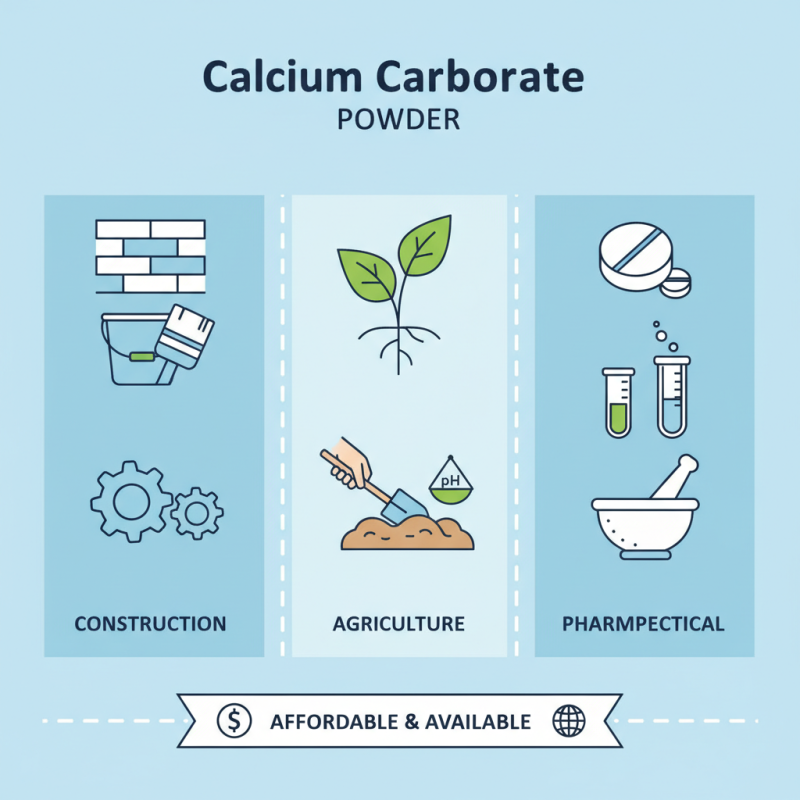
In construction, calcium carbonate powder acts as a filler in paints, plastics, and adhesives. It enhances durability and improves texture. In agriculture, it serves as a soil conditioner, helping to balance pH levels. This assists in nutrient absorption for plants.
In addition to these uses, calcium carbonate powder has applications in the pharmaceutical industry. It is used as a calcium supplement and an antacid. Its affordability and availability make it a popular choice. Despite its benefits, some may overlook its diverse uses. Exploring calcium carbonate powder further reveals its potential in everyday products.
Best Uses of Calcium Carbonate Powder in Agriculture and Soils
Calcium carbonate powder is vital for agriculture, offering numerous benefits for soil health and crop yield. It acts as a soil conditioner, improving pH levels in acidic soils. Research indicates that nearly 40% of global arable land suffers from acidity, impacting nutrient availability. Applying calcium carbonate can enhance crop performance by optimizing these conditions.
Additionally, calcium carbonate supplies essential calcium to plants. It supports cell wall structure and promotes root development. Studies show that crops treated with calcium carbonate can increase yields by up to 25%. Proper usage can transform poor soil into fertile ground.
Tips: Test soil pH regularly. This ensures precise application of calcium carbonate. Over-application might lead to nutrient imbalances. Always consult local agricultural reports for tailored advice.
It's essential to recognize that while calcium carbonate is beneficial, not all soils require the same amount. Understanding specific soil needs is crucial for effective use. Miscalculations can hinder agricultural productivity. Therefore, a careful approach is necessary for optimal results.
Calcium Carbonate as a Food Additive: Benefits and Regulations
Calcium carbonate is widely used in the food industry. It acts as a neutralizing agent. It can also improve food texture. When added to baking products, it enhances dough stability. It is safe for consumption in regulated amounts. Many food uses rely on its effectiveness.
Regulations around calcium carbonate as a food additive are stringent. The Food and Drug Administration (FDA) has defined acceptable levels for safety. It’s essential to comply with these guidelines. Using too much can lead to digestive issues. This is crucial for manufacturers to remember.
Tips: Always check ingredient labels carefully. Ensure the calcium carbonate amount is within safe limits. When cooking, consider natural alternatives if you have concerns. Educating yourself can encourage healthier choices. Food additives can be beneficial, but moderation is key.
Role of Calcium Carbonate in Pharmaceuticals: Dosage Forms and Applications
Calcium carbonate is commonly used in the pharmaceutical industry. This versatile compound serves various roles in medication formulation. It acts as a reliable excipient and a source of calcium supplementation. These characteristics make it integral to many dosage forms.
In solid dosage forms, calcium carbonate functions as a diluent. It helps improve the tablet's consistency and stability. In liquid formulations, it serves as an antacid, neutralizing excess stomach acid. Many over-the-counter antacids utilize calcium carbonate due to its effectiveness.
Tips: Always consult a healthcare provider prior to using calcium carbonate supplements. Dosage recommendations can vary based on individual health needs. Be aware of any potential side effects, like constipation or gas, which some users may experience. Also, check product labeling for accurate dosage information to ensure safe usage.
Calcium Carbonate in Industrial Applications: Production and Uses
Calcium carbonate powder has diverse industrial applications, significantly impacting various sectors. In the construction industry, it's used in cement and concrete production. This mineral enhances the strength and durability of materials. Research shows that the global calcium carbonate market is expected to reach approximately USD 36 billion by 2025. Such growth highlights its importance in manufacturing.
In the paper industry, calcium carbonate acts as a filler and coating pigment. It improves brightness and opacity, crucial for high-quality printing. However, the reliance on calcium carbonate can sometimes lead to supply chain vulnerabilities. Environmental concerns also arise from quarrying practices, necessitating cautious sourcing.
**Tips:** Always consider sourcing calcium carbonate from sustainable suppliers. Regular audits can help ensure compliance with environmental standards. Reducing waste during production can also improve efficiency.
In plastic manufacturing, it plays a notable role. Calcium carbonate enhances strength and reduces costs. However, balancing quality and cost is often challenging. Industries must evaluate their formulations carefully to maintain product integrity. These practices help optimize performance while minimizing environmental footprints.
Best Uses of Calcium Carbonate Powder in Industrial Applications
| Application Area | Description | Dosage/Usage Level |
| Plastic Industry | Used as a filler to enhance properties and reduce costs. | 5-30% by weight |
| Paints and Coatings | Provides opacity, brightness, and improves texture. | 10-20% by volume |
| Paper Production | Enhances brightness and ink receptivity of paper. | 10-15% by weight |
| Food Industry | Used as a calcium supplement and food additive. | As per regulatory guidelines |
| Construction | Serves as a filler in concrete and cement products. | 5-25% by volume |
| Agriculture | Used to improve soil quality and provide calcium. | 500-2000 kg/ha |
Environmental Impact of Calcium Carbonate: Sustainability and Emissions
Calcium carbonate is widely used in various industries. However, its environmental impact raises questions. Current studies show that production processes can emit significant amounts of carbon dioxide. Research indicates that manufacturing calcium carbonate releases around 0.5 to 1.5 tons of CO2 per ton produced. This emission contributes to overall greenhouse gas levels.
Sustainability practices are essential. Some companies are exploring carbon capture technologies. By capturing CO2 during production, companies can reduce their carbon footprint. This initiative could lower emissions by 30% or more. However, adoption rates remain low. Many organizations still face challenges in implementing these technologies effectively.
Recycling calcium carbonate is another overlooked opportunity. When used in construction, for instance, it can be repurposed. Yet, this practice is not widespread. The lack of awareness means valuable resources go to waste. Moving forward, industries must prioritize sustainable practices. Improving processes can lead to better environmental outcomes.