Best Pocket Filter Media Options for Effective Filtration?
When it comes to air filtration, choosing the right pocket filter media is crucial. These filters play a vital role in improving indoor air quality. They can trap pollutants, allergens, and even odors, ensuring a cleaner environment. However, with so many options available, finding the best choice can be challenging.
pocket filter media comes in various materials and sizes, each with unique advantages. A good filter should have a high dust-holding capacity and low resistance to airflow. Yet, not all filters perform equally. Some may promise high efficiency but fail in real-world applications. Therefore, evaluating different options is essential for effective filtration.
Consider the specific needs of your environment. Is there heavy particulate matter present? Choose a filter designed for that. Be aware of the cost versus performance ratio. Sometimes, cheaper filters might not deliver the promised results. Finding the right balance is key for optimal filtration efficiency.
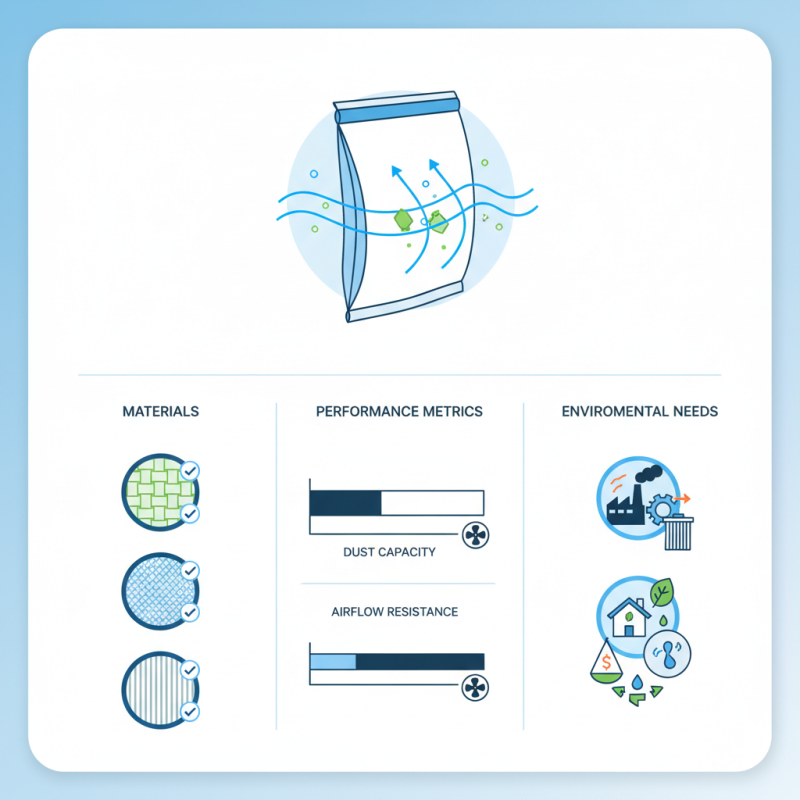
Overview of Pocket Filter Media Types
Pocket filter media comes in various types, each designed for specific filtration needs. One popular option is synthetic media, known for its durability and efficiency. It's lightweight and often resistant to moisture, making it easy to handle. However, synthetic options may not capture all particulate sizes effectively.
Another type is polyester media, widely used in many HVAC applications. Its filtration capabilities are good for larger particles but may struggle with smaller ones. Despite its benefits, some users report that polyester can be less effective in humid conditions. A bit of caution here—underestimating humidity can lead to decreased performance.
Glass fiber media is also worth mentioning. It offers excellent dust-holding capacity and works well in high-efficiency settings. However, the trade-off is its potential cost and availability. Users should consider these factors when choosing the right filter. Balancing cost with performance is not always straightforward, and it's crucial to weigh all options carefully.
Key Factors for Choosing Pocket Filter Media
When selecting pocket filter media, understanding key factors is crucial. The efficiency of filtration can significantly impact air quality in various environments. According to industry reports, air filters are responsible for capturing up to 95% of pollutants. This highlights the need for effective pocket filter media.
Consider the material composition first. Options include synthetic and fiberglass media. Synthetic materials often provide better filtration efficiency and longer service life. Fiberglass options are sometimes less efficient but can be more cost-effective. The cost-per-filter metric often surprises many buyers, urging them to analyze long-term benefits over initial expense.
The thickness of the pocket filter media also plays a role. Thicker media can trap more particles, contributing to better performance. However, higher thickness can lead to increased resistance to airflow, which may require more energy to maintain adequate ventilation. Some users overlook this balance, leading to unintentionally poor airflow and efficiency loss.
Another factor to ponder is the MERV rating. Filters with a higher Minimum Efficiency Reporting Value (MERV) are often expected to capture smaller particles. However, higher MERV ratings can also mean a shorter lifespan for the filter. This trade-off is essential to evaluate, as frequent replacements might negate the benefits of superior filtration.
Comparison of Synthetic vs. Natural Filter Media
When choosing between synthetic and natural filter media, the differences are often significant. Synthetic options usually offer enhanced durability. They resist degradation and maintain performance over time. However, this can sometimes come at the cost of environmental impact. Many synthetic materials are not biodegradable, causing concern for eco-conscious users.
Natural filter media, like sand or plant-based materials, offer unique benefits. They are often biodegradable, making them easier on the planet. The filtration capability can vary greatly, though. Some natural options may not capture as many contaminants as synthetic media. Users need to assess their specific filtration needs carefully. In certain scenarios, the effectiveness of natural materials can be surprisingly high.
Choosing the right filter media can be a balancing act. You must weigh durability against environmental concerns. There is no perfect solution that fits all situations. Often, a hybrid approach may yield better results. Mixing both types might provide the strength of synthetic media alongside the eco-friendliness of natural options. Experimentation and feedback are crucial in finding the optimal combination.
Best Pocket Filter Media Options for Effective Filtration? - Comparison of Synthetic vs. Natural Filter Media
| Filter Media Type | Material | Filtration Efficiency (%) | Lifespan (Months) | Cost ($) |
| Polyester Filtration Media | Synthetic | 95 | 12 | 20 |
| Activated Carbon | Natural | 90 | 6 | 25 |
| Polypropylene Filtration Media | Synthetic | 92 | 10 | 15 |
| Cotton Filter Media | Natural | 85 | 8 | 10 |
| Nylon Filter Media | Synthetic | 93 | 14 | 30 |
Maintenance and Replacement of Pocket Filters
Proper maintenance of pocket filters is crucial for ensuring effective filtration. The lifespan of these filters largely depends on various factors such as air quality and usage frequency. Regular inspection is essential. Check for visible dust buildup or damage. Neglecting these signs can lead to poor air quality. Dirty filters can cause strain on the HVAC system, which can be costly.
Replacement of pocket filters should occur based on manufacturer guidelines. However, relying solely on these timelines may not be sufficient. A more proactive approach involves monitoring pressure drops across the filter. Aim for consistent performance, and replace the filter when you notice significant pressure changes. This ensures optimal effectiveness.
Cleaning the filter housing is equally important during maintenance. Dust can accumulate, leading to inefficiency. A simple vacuum can help remove buildup. Moreover, training staff on proper replacement techniques is often overlooked. Ensure everyone understands the process. It prevents mistakes that could compromise air quality. Awareness of the importance of filters can help maintain a clean environment.
Environmental Impact of Pocket Filter Media Options
The environmental impact of pocket filter media options is increasingly significant. Traditional filter materials often contribute to waste that harms ecosystems. Many filters are made from synthetic fibers, which do not decompose easily. This creates a long-lasting environmental problem.
Recyclable and biodegradable materials are being explored. These options can minimize long-term waste. However, they may not always provide the same efficiency in filtration. The challenge is balancing performance with sustainability. Some biodegradable filters may need more frequent replacement, leading to increased waste.
Moreover, the production process for filter media can be resource-intensive. This includes high energy consumption and emissions. Manufacturers must consider the entire lifecycle of the product. Green alternatives can reduce ecological footprints, but they often require further research and development. Transitioning to better options is essential, yet complex.
