
What Is the Best LED Recessed Lighting in 2026?
Recessed lights can make a low ceiling feel calm and uncluttered. A poor choice, though, may create bright rings, glare, or dark corners. In 2026, the best Led Recessed Lighting is not simply the fixture with the highest lumen rating. It should suit the room, ceiling depth, dimmer, and daily routine. Small details matter. The U.S. Department of Energy’s Energy Saver guidance reports that LEDs use at least 75% less energy and can last up to 25 times longer than incandescent lighting. These figures describe LEDs broadly, not every recessed fixture. Product performance still varies.
This guide compares light output, color temperature, color rendering, dimming, installation fit, and expected operating costs. It also considers practical details, such as whether a trim sits flush against a textured ceiling or a dimmer causes flicker at low settings. The Illuminating Engineering Society’s lighting guidance emphasizes choosing light for the task and space, rather than relying on brightness alone. That is a useful principle, but it cannot replace checking a specific product’s specifications. Some listings also make comparison harder by mixing lumens, watts, and marketing claims. A little skepticism helps. The sections ahead explain what to check, which features matter most, and where premium pricing may not deliver a meaningful benefit. There is no universal winner; a kitchen, hallway, and bedroom can need different beams and color tones. That nuance is easy to overlook.
## What Defines LED Recessed Lighting and Its Main Fixture Types?
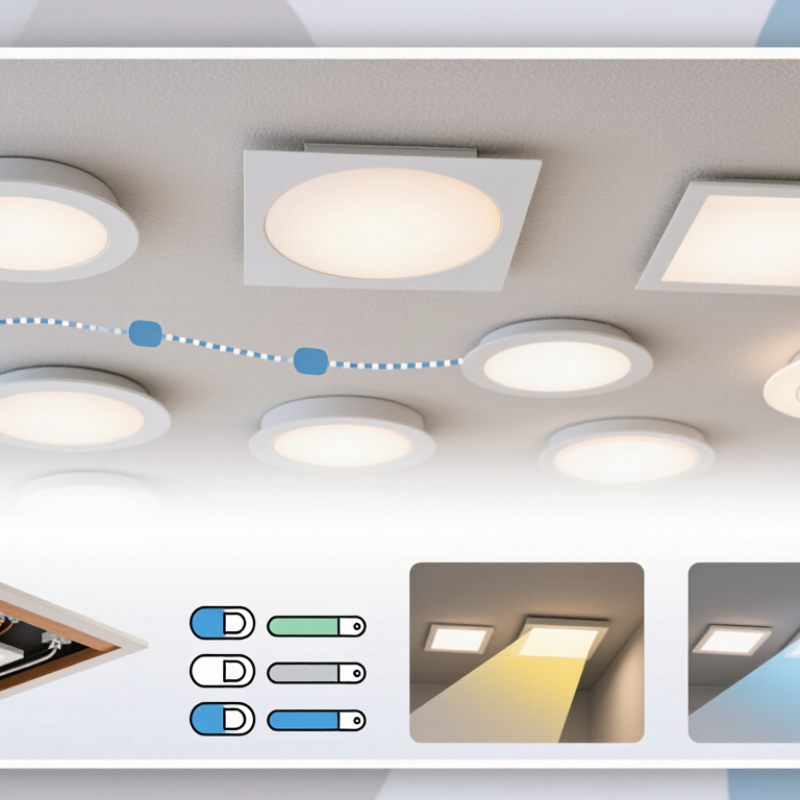
LED recessed lighting sits within a ceiling opening, so the fixture body is mostly hidden and light appears to come from the ceiling itself. Many models use an integrated LED module; others accept a replaceable LED bulb. Integrated units can be compact, but replacing the light source may mean replacing the whole module. Check this before buying.
Fixture types differ by installation method and light direction. New-construction housings attach to ceiling joists before drywall goes up. Remodel housings use clips to hold them in an existing opening. Canless wafer lights are thinner and connect to a separate driver, making them useful where ceiling space is tight. Still, tight spaces need careful checks for insulation contact and clearance.
The visible trim also shapes the result. A baffle trim reduces glare with ridged surfaces, while a smooth reflector can create a brighter, more noticeable beam. Gimbal trims tilt, helping aim light at artwork or a counter. Wall-wash trims spread light across vertical surfaces. The labels can be confusing. For a practical comparison, check brightness in lumens, color temperature, dimmer compatibility, and whether the fixture suits the ceiling. A warm 2700K light may feel comfortable in a living room, but look too yellow in a workspace. That part is personal.
What Defines LED Recessed Lighting and Its Main Fixture Types?
LED recessed lighting places a light source in or above a ceiling opening, so the visible light is generally flush with the ceiling. Fixtures may use a separate housing and trim or an integrated, low-profile design. The best type depends on the ceiling, installation stage, desired beam, and environmental rating.
| Fixture Type | What It Is | Typical Installation | Common Uses | Key Selection Considerations |
|---|---|---|---|---|
| New-construction housing with LED trim | A recessed fixture system with a housing installed above the ceiling and a separate LED trim or module visible from the room. | Installed while framing or ceiling construction is accessible. The housing is secured to the ceiling structure before the ceiling surface is finished. | New homes, additions, and major renovations where the ceiling is open during installation. | Check housing compatibility, ceiling insulation and contact ratings, required clearance, and whether the fixture is rated for the intended location. |
| Remodel or retrofit housing fixture | A recessed fixture designed to be installed in an existing finished ceiling, often using clips or brackets to hold the housing in place. | Installed through a ceiling cutout when access from above is limited. Wiring access and the available ceiling cavity can affect suitability. | Room updates where an existing ceiling is being retained and a recessed fixture opening can be added. | Confirm ceiling depth, wiring access, opening size, and whether the model is approved for insulated or airtight ceiling applications. |
| Canless wafer or slim LED | A low-profile, integrated LED fixture with a thin light panel and a remote driver or junction box; it does not require a traditional full-depth can housing. | Fits through a small ceiling opening, with the driver box positioned in the ceiling cavity. Useful where the space above the ceiling is shallow or obstructed. | Low-clearance ceilings, remodels, and locations where a conventional housing may not fit. | Verify ceiling thickness, driver-box clearance, dimmer compatibility, and the fixture’s insulation-contact, airtight, and wet-location ratings as needed. |
| LED retrofit module | An LED light module intended to replace a compatible lamp or trim in an existing recessed housing. | Usually installed from below into an existing housing using the specified connector, clips, or springs. | Upgrading existing recessed lights without replacing the entire housing. | Check the housing’s size and type, electrical connection, trim fit, dimmer compatibility, and the retrofit module’s approved use. |
| Adjustable gimbal or eyeball | A recessed fixture with a tilting or swiveling light source that can aim the beam away from the fixture’s vertical axis. | Installed in a compatible recessed housing or supplied as an integrated adjustable fixture. | Accent lighting for artwork, architectural details, shelves, or sloped ceilings, when the fixture is designed for that application. | Review the adjustment range, beam angle, glare control, and whether aiming the light will create unwanted shadows or spill. |
| Wall-wash recessed fixture | A recessed downlight with an optical design that directs light toward a wall to create a more even vertical wash. | Positioned at a planned distance from the wall; spacing and aiming depend on the fixture’s photometric design and the desired effect. | Illuminating feature walls, display areas, and vertical surfaces. | Use the manufacturer’s spacing guidance and photometric data to help limit scallops, bright spots, and uneven illumination. |
| Shower or wet-location recessed fixture | A recessed fixture specifically marked and listed for the moisture exposure of its intended location. It may use a sealed lens or other protective construction. | Installed in a bathroom or other damp or wet area only when the fixture’s listing and instructions allow that exact location. | Showers and other areas where moisture exposure requires a suitably rated luminaire. | Match the fixture’s damp- or wet-location rating to the installation area; a decorative shower trim alone does not establish the fixture’s rating. |
Related Posts
-
2025 Industry Trends: Innovative Solutions for Best LED Linear Lighting Procurement
-

How to Maximize Energy Efficiency with Linear Led Lighting Solutions
-
Exploring Diverse Industry Applications of Best Led Lighting Solutions for Global Buyers
-
The Ultimate Guide to Choosing the Best Light Panels for Your Space
-

How to Maximize Energy Efficiency with Led Sheets for Your Business
-

Transform Your Space: The Ultimate Guide to Choosing Recessed Downlights for Every Room