Top Benefits of Using WPC Planks in Your Projects?
Wpc Planks have gained significant traction in recent years, becoming a go-to material in construction and landscaping. A report by Grand View Research highlights that the global wood-plastic composite market is projected to reach $7.7 billion by 2026, growing at a compound annual growth rate of 11.3%. This growth is fueled by the increasing demand for eco-friendly and sustainable building materials. WPC planks, composed of recycled plastic and wood fibers, offer an innovative solution that meets this demand.
The durability and low maintenance requirements of WPC planks make them ideal for various applications. They resist moisture, pests, and fading, with a lifespan often exceeding that of traditional wood. For example, a study by the North American Deck and Railing Association shows that WPC decks have a longer lifespan and lower maintenance costs when compared to wooden alternatives. However, it’s essential to recognize that not all WPC products are created equal. Variations in manufacturing quality can lead to performance issues, which calls for careful selection.
Furthermore, the aesthetic versatility of WPC planks allows for creative designs in both commercial and residential projects. They mimic the look of natural wood without the associated drawbacks. However, some consumers may have concerns about the appearance or texture, which requires open discussions with suppliers. Ultimately, WPC planks combine practicality and style, positioning them as a favorable choice for modern projects.
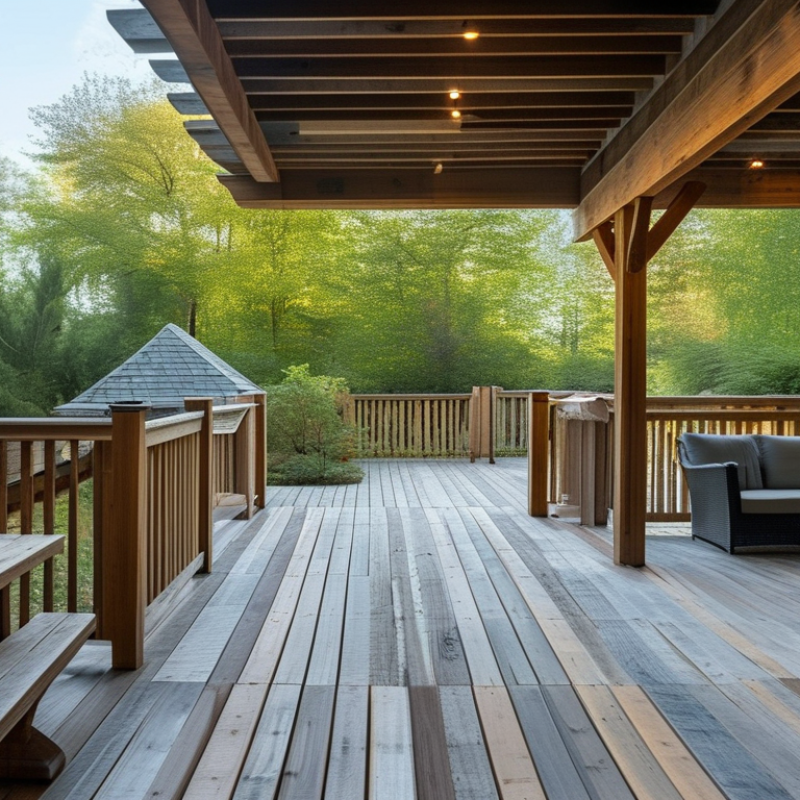
Understanding WPC Planks: Composition and Properties
WPC planks, or wood-plastic composite planks, are increasingly popular in construction and landscaping. Their unique composition combines wood fibers and plastic, offering durability and versatility. This blend results in a material that is resistant to moisture, insects, and decay. Due to these properties, WPC planks require less maintenance compared to traditional wood, making them an attractive option for many projects.
When selecting WPC planks, consider the environment where they will be used. These planks perform well in diverse climates, but extreme weather can affect their longevity. Regular inspections can help identify any early signs of wear. Treat these planks with care to maintain their appearance and integrity.
Tips: Always check for UV resistance when choosing WPC planks. This feature helps prevent fading over time. Additionally, ensure proper installation to maximize their lifespan. Improper placement can lead to gaps or shifting, which could compromise their stability. Make sure to follow manufacturer guidelines for the best results.
Top Benefits of Using WPC Planks in Your Projects
| Benefit | Description | Durability | Maintenance | Environmental Impact |
| Water Resistance | WPC planks are resistant to water, making them ideal for outdoor use. | Highly durable; does not warp or splinter. | Minimal maintenance required; occasionally wash to remove dirt. | Made from recycled materials, reducing environmental footprint. |
| UV Resistance | WPC planks resist fading due to UV exposure, maintaining their color. | Resistant to color deterioration over time. | No need for sealing to protect against UV damage. | Helps in conservation of trees, supports sustainable practices. |
| Aesthetic Versatility | Available in a variety of colors and finishes to match project requirements. | Stays visually appealing for years. | Easily cleaned for ongoing aesthetic appeal. | Less reliance on non-renewable resources. |
| Ease of Installation | Lightweight nature makes it easy to handle and install. | Offers great structural integrity; less prone to damage during installation. | Typically requires no special tools for installation. | Promotes quicker project completion, reducing emissions. |
Durability and Longevity of WPC Planks in Construction
When considering construction materials, WPC planks (Wood Plastic Composite) offer remarkable durability and longevity. According to a study by the Wood Industry Association, WPC materials can last up to 25 years with proper care, outperforming traditional wood by a significant margin. Their resistance to fading, moisture, and pests makes them ideal for various applications, including decking and fencing.
WPC planks are engineered to withstand harsh environmental conditions. They exhibit low water absorption, which reduces the risk of warping or cracking. A report from the Composite Materials Institute indicates that WPC is resistant to UV rays, ensuring color retention over time. This durability translates to lower maintenance costs and less frequent replacement, presenting a compelling case for budget-conscious builders and homeowners alike.
Despite these advantages, some challenges exist. WPC may be less rigid than wood, leading to architectural limitations. Additionally, the manufacturing process can raise environmental concerns, prompting discussions about sustainability. Balancing these factors is crucial for informed decision-making in construction projects. Making careful choices about materials can ultimately enhance the longevity and sustainability of the infrastructure we create.
Environmental Benefits of Using WPC Planks
WPC planks, made from wood and plastic fibers, offer significant environmental benefits. They are often derived from recycled materials, reducing waste in landfills. By utilizing recycled resources, WPC planks minimize the need for virgin timber. This helps in preserving forests and biodiversity, which is increasingly important as urban spaces expand.
Another critical aspect is their durability. WPC planks are resistant to rot, insects, and moisture. This longevity means that fewer replacements are necessary over time, which reduces the overall environmental impact. However, it’s essential to consider their production process. While WPC is a better alternative, the energy involved in creating these materials can still lead to some carbon emissions.
Minimizing this impact through efficient manufacturing is an area for ongoing improvement. Using WPC in projects supports sustainable building practices. Every plank contributes to reducing our carbon footprint. However, the industry needs to focus on transparency regarding sourcing and production processes. Engaging consumers in these discussions fosters a more informed choice and encourages accountability.
Cost Efficiency: WPC Planks versus Traditional Materials
Cost efficiency plays a significant role when choosing materials for construction projects. WPC planks, made from wood and plastic composites, offer a cost-effective alternative to traditional materials like wood or concrete. They require less maintenance over time, which can result in lower long-term expenses. Unlike wood, WPC planks are resistant to rot and insects. This durability means fewer repairs and replacements, saving both time and money.
When comparing upfront costs, WPC planks might seem higher than some traditional options. However, the savings in maintenance and longevity often outweigh initial investments. Furthermore, these planks are easier to install, which can reduce labor costs on the project. The learning curve for working with WPC materials is often shorter than for wood, making it accessible for various skill levels.
Aesthetically, WPC planks have made significant strides. Many aesthetically appealing designs mimic the look of natural wood. This means you can achieve a beautiful finish without the environmental impact associated with harvesting natural timber. However, it's essential to consider factors such as climate and project demands before deciding. There are still challenges associated with their use, and not all WPC products perform equally. Evaluating these elements will guide you to the best choice for your specific project needs.
Versatility of WPC Planks in Various Applications
WPC planks, made from wood fibers and plastic, are gaining popularity due to their versatility. They can be used in various applications, including decking, fencing, and even interior flooring. According to industry reports, the global market for WPC is expected to grow steadily, with a projected CAGR of 12.5% from 2021 to 2028. This growth reflects their increasing use in both residential and commercial projects.
One of the key advantages of WPC planks is their resistance to moisture and pests. Unlike traditional wood, WPC does not warp or splinter easily. This makes it suitable for outdoor areas like poolsides and gardens. However, while they are durable, some users report fading under prolonged sun exposure. It is essential to find suitable maintenance solutions to prolong their life.
In addition, WPC planks offer aesthetic flexibility. They come in various colors and textures, mimicking natural wood's look. This allows architects and designers to integrate them into different styles of projects seamlessly. Yet, not all WPC products are created equal. It's crucial to research and select high-quality materials to avoid potential issues with performance and appearance over time.
