Top 5 Benefits of Using Solar Containers for Energy Solutions?
In recent years, the use of solar containers has gained significant traction as an innovative energy solution. Experts like Dr. Emily Carson, a renowned specialist in renewable energy, state, "Solar containers are revolutionizing how we access sustainable energy." This highlights the rising importance of solar containers in various applications, from remote locations to urban environments.
solar containers are compact, mobile units that harness solar power efficiently. They provide clean energy while minimizing environmental impact. Despite their benefits, challenges such as initial costs and space requirements can arise. Companies must carefully assess these factors before investing in solar container technology.
The potential of solar containers is immense, yet their implementation may not be flawless. Some users have reported difficulties in maximizing energy output under varying weather conditions. Addressing these challenges requires ongoing innovation and a commitment to improvement in the solar container industry. As the demand for sustainable energy solutions grows, understanding both the advantages and limitations of solar containers becomes crucial.
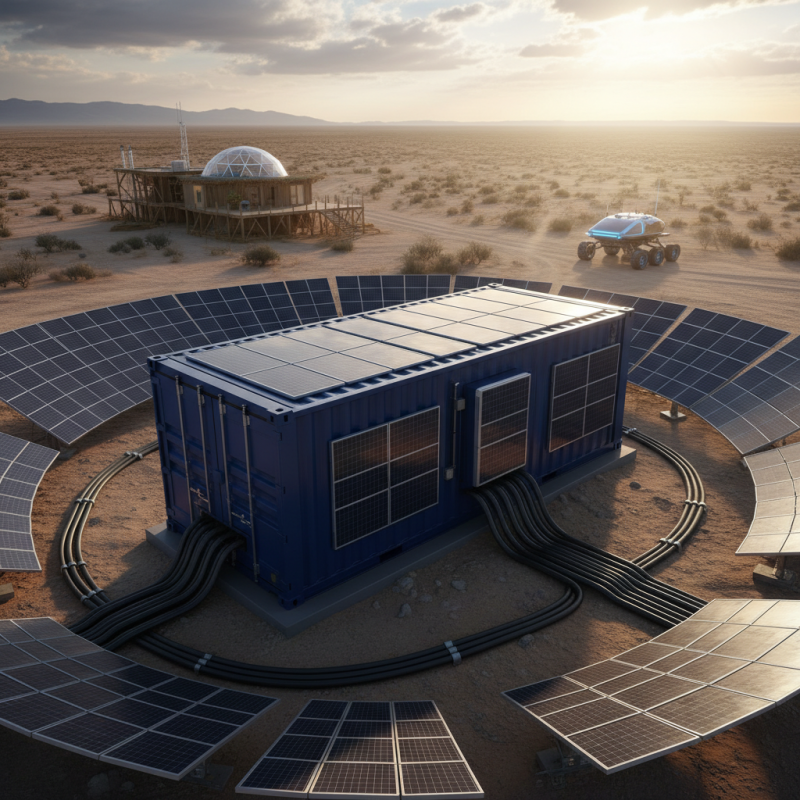
Benefits of Solar Containers: An Overview of Renewable Energy Solutions
Solar containers are gaining attention as innovative energy solutions. These portable units harness solar energy and provide power on-site, benefiting various industries. According to the International Renewable Energy Agency (IRENA), the use of solar energy could save up to 2 billion tons of carbon emissions globally by 2030. This data emphasizes the importance of transitioning to renewable energy sources.
One of the key benefits of solar containers is their adaptability. They can be deployed in remote areas where traditional energy infrastructure is absent. These containers often include battery storage systems, allowing energy to be used even when the sun isn’t shining. However, challenges like initial investment costs and space limitations may hinder broader adoption. Yet, organizations are increasingly considering these solutions amid rising energy demands.
The efficiency of solar containers is notable but can vary based on location. Environmental factors, such as weather and geography, play a crucial role in their performance. According to research, areas with higher solar insolation can see unit efficiencies exceed 20%. This potential could lead to significant power generation. Nonetheless, a lack of standardized regulations creates uncertainty for users. The most effective path forward may involve community engagement and clear policy frameworks to support sustainable energy solutions.
Cost-Effectiveness of Solar Containers for Energy Generation and Storage
Solar containers offer a promising solution for energy generation and storage. They are designed to harness the sun’s power effectively. The cost-effectiveness of these systems is significant. According to a report from the International Energy Agency, solar energy has become cheaper by about 89% since 2010. This decline in costs makes solar containers an attractive option.
Investing in solar containers can yield impressive returns. The National Renewable Energy Laboratory found that solar installations can save households over $1,000 annually on energy bills. However, the upfront costs can still be a barrier. Initial investment might exceed what some can afford.
Additionally, the efficiency of solar panels can vary based on location and weather conditions. This leads to concerns about reliability during prolonged cloudy days.
Moreover, the lifespan of solar containers raises questions. Most systems last around 25 years, yet technological advancements could make them obsolete sooner. Regular maintenance is crucial to ensure their optimal performance. Users must also consider potential meteorological challenges affecting energy output. This unpredictability in performance can deter some from investing in solar containers.
Environmental Impact: Reducing Carbon Footprint with Solar Containers
Using solar containers for energy solutions has a significant positive impact on the environment. These containers harness the power of the sun, significantly reducing carbon emissions. According to a 2022 report by the International Renewable Energy Agency, solar energy can lower greenhouse gas emissions by up to 80% when compared to fossil fuels.
Solar containers provide a cleaner alternative to traditional energy sources. They convert sunlight into electricity, generating sustainable energy on-site. This is crucial in urban areas, where conventional energy generation often leads to high carbon footprints. Additionally, the U.S. Department of Energy states that adopting solar energy can save an average household approximately 1.5 tons of carbon dioxide annually. This translates to a healthier atmosphere and reduced climate change effects.
However, it’s essential to acknowledge that solar containers are not without their challenges. The manufacturing process still involves emissions, and end-of-life management of solar panels can be problematic. Continuous improvement in solar technology is necessary to overcome these hurdles. While solar containers offer a remarkable solution, we must reflect on their full lifecycle impact. Integrating sustainability at every stage is crucial for maximally reducing our environmental footprint.
Portability and Versatility of Solar Containers in Various Applications
Solar containers offer significant benefits in terms of portability and versatility. These units can easily be transported to various locations, making them suitable for remote areas. According to a report from the International Renewable Energy Agency, mobile solar solutions can increase energy access by around 25% in isolated communities.
The versatility of solar containers is another strong point. They can serve multiple purposes—from providing electricity for construction sites to powering emergency shelters after disasters. Such adaptability can lead to decreased dependence on fossil fuels. A study highlights that portable solar setups can reduce fuel costs by 40%.
However, limitations exist. Solar containers rely on sunlight, which can be inconsistent in certain regions. They also require proper maintenance to function optimally. While they provide a cleaner energy alternative, users need to evaluate local conditions before implementation. Effective use of solar containers demands careful planning.
Top 5 Benefits of Using Solar Containers for Energy Solutions
This chart illustrates the key benefits of solar containers in various applications, highlighting their advantages in terms of portability, versatility, sustainability, cost savings, and low maintenance.
Scalability and Customization of Solar Container Energy Systems
The scalability of solar container energy systems offers unique opportunities for various applications. Industries can easily expand their solar capacity as needed. According to a report by the International Renewable Energy Agency, global solar capacity is projected to reach 4,200 GW by 2030. Solar containers can adjust to this growth seamlessly.
Customization is another vital feature. Users can modify these systems to meet specific energy demands. For instance, a construction site may need temporary energy solutions. A solar container can be tailored to provide consistent power, enhancing productivity. Additionally, different sizes and configurations are available, allowing businesses to select what fits best.
However, there are challenges. Not all areas have the same sunlight intensity. Geographic location affects energy output. Users need to consider this when designing their systems. Also, initial investment costs can be high. Many businesses must explore financing options, a potential hurdle for startups. Balancing cost and efficiency is crucial in optimizing solar containers for energy needs.
Top 5 Benefits of Using Solar Containers for Energy Solutions
| Benefit | Description | Applicable Scenarios | Estimated Cost Savings |
| Scalability | Easily expand or reduce capacity based on energy needs. | Residential areas, renewable energy projects, disaster relief. | Up to 50% reduction in energy costs. |
| Customization | Tailor solar solutions to meet specific requirements. | Commercial properties, event venues. | Potential 30% savings on installation and customization costs. |
| Mobility | Can be relocated easily to different sites. | Construction sites, temporary operations. | Reduced operational costs by 20% over fixed systems. |
| Quick Deployment | Rapid installation allows immediate energy access. | Emergency response, humanitarian aid. | Savings of up to 40% in time and labor costs. |
| Sustainable Energy Source | Utilizes renewable solar energy, reducing carbon footprint. | Remote areas, off-grid applications. | Long-term savings of 70% on energy bills. |
