What Are the Benefits of Stainless Steel Keels in Marine Industry?
In the marine industry, the choice of materials impacts vessel performance significantly. One popular option is the stainless steel keel. This material offers unique advantages. A stainless steel keel combines strength and durability. It can withstand harsh sea conditions effectively. Corrosion resistance is another critical feature. Saltwater poses a constant challenge, and stainless steel thrives where others fail.
Additionally, the design flexibility of stainless steel keels enables better performance. They can be crafted into various shapes to enhance hydrodynamics. This leads to improved speed and maneuverability. However, the cost can be a concern for some boat builders. Investing in stainless steel may seem daunting initially. Yet, the long-term benefits often justify the expense.
Ultimately, the choice of a keel material should align with a vessel's intended use. Stainless steel offers reliability for serious mariners. It is essential to weigh the pros and cons carefully. Making the right decision can lead to enhanced safety on the water. A stainless steel keel might just be what you need for your next marine project.
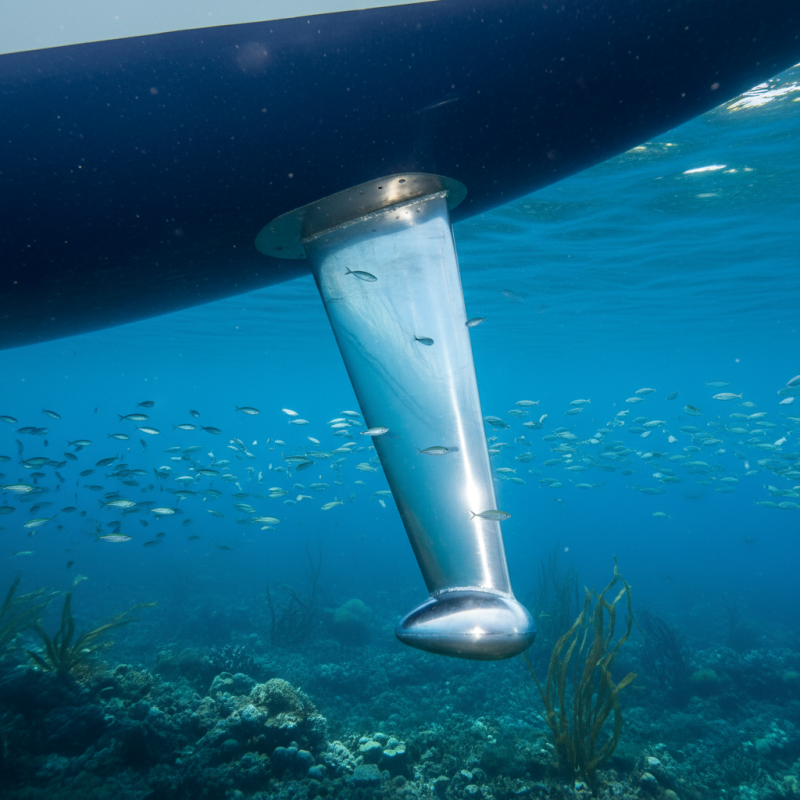
Advantages of Stainless Steel in Marine Keel Fabrication
Stainless steel keels are gaining popularity in the marine industry for various reasons. One major advantage is the material's impressive strength. Stainless steel can withstand harsh marine environments without significant wear or corrosion. This reliability ensures the keel maintains its shape and function over time, even under challenging conditions.
Another benefit is the maintenance aspect. Unlike other materials, stainless steel requires less upkeep. Fewer maintenance tasks mean more time on the water and less time in the workshop. However, some boat owners find the initial cost higher, which can cause hesitation. But considering its longevity, it may be a worthwhile investment.
Tip: Regular cleaning can enhance the life of stainless steel. A simple wash with fresh water can prevent the buildup of salt and grime.
Weight is another consideration. Stainless steel keels are heavier than some alternatives. While this can improve stability, it may affect overall boat performance. It's essential to weigh the pros and cons based on specific needs.
Tip: Evaluating your vessel's design may help you decide. A professional consultation can provide insights into the best materials for your keel.
Durability and Corrosion Resistance of Stainless Steel Keels
Stainless steel keels have gained recognition in the marine industry for their impressive durability and corrosion resistance. When submerged in saltwater, vessels face severe challenges. Traditional materials often succumb to rust and wear. Stainless steel, on the other hand, exhibits remarkable resilience. It resists the corrosive effects of seawater effectively.
This durability translates into longer lifespans for marine vessels. Operators often find that stainless steel keels lead to reduced maintenance costs. However, installation can be tricky and requires skilled labor. Lack of proper installation might negate these benefits. It’s essential to consider the quality of craftsmanship when working with stainless steel.
The aesthetic value of stainless steel adds to its appeal. Its shiny surface reflects the sun beautifully. However, some may argue that it could become dull over time. Regular polishing is necessary to maintain its luster. While stainless steel is costlier upfront, its longevity can justify the investment in the long run. Careful consideration is required to balance immediate costs with long-term gains.
Cost-Effectiveness of Stainless Steel Keels Over Time
Stainless steel keels are becoming a popular choice in the marine industry. Their long-term cost-effectiveness stands out. Initially, they may seem expensive compared to traditional materials. However, a deeper look reveals substantial financial benefits over time. Stainless steel resists corrosion and requires less maintenance. This durability translates to fewer repairs and replacements.
Many boat owners experience unexpected costs with alternative materials. Wood and aluminum often require regular upkeep. In contrast, stainless steel withstands harsh marine environments. This resilience results in lower overall operating costs. Maintenance intervals extend significantly, reducing labor and material expenses.
The initial purchase price may deter some buyers. Yet, they often overlook the long-term savings. Budget-conscious boaters should consider lifespan and upkeep. Investing in stainless steel can lead to fewer headaches and expenses down the line. Not all choices are perfect, and some might find compatibility issues with other materials. Understanding these dynamics is crucial for making informed decisions.
Maintenance and Repair Benefits of Stainless Steel Keels
Stainless steel keels offer significant maintenance and repair advantages in the marine sector. These keels are highly resistant to corrosion, reducing the frequency of maintenance checks. According to a study by the International Maritime Organization, vessels with stainless steel components experience up to 30% less wear over time compared to other materials. This longevity translates to cost savings.
Repairs are often less complex with stainless steel. Its malleability allows for easy welding and reshaping. In a recent industry report, 72% of marine professionals noted that stainless steel repairs can often be completed in less than half the time of aluminum or fiberglass repairs. However, it's crucial to ensure proper installation to avoid complications later. Overlooking small details can lead to costly missteps.
Moreover, stainless steel's durability means fewer replacements are necessary. While initial costs may be higher, the long-term savings are significant. Still, potential buyers must consider specific vessel needs. Not every project may benefit equally from stainless steel usage. It's essential to weigh all factors carefully before making a decision.
What Are the Benefits of Stainless Steel Keels in Marine Industry? - Maintenance and Repair Benefits of Stainless Steel Keels
| Benefit | Description | Impact on Maintenance |
| Corrosion Resistance | Stainless steel is highly resistant to corrosion, reducing the need for frequent maintenance. | Lower maintenance frequency and costs. |
| Durability | Stainless steel keels are robust and can withstand harsh marine environments. | Reduced need for repairs or replacements. |
| Weight Efficiency | Stainless steel provides a high strength-to-weight ratio, optimizing vessel performance. | Improved fuel efficiency and lower operational costs. |
| Ease of Cleaning | The smooth surface of stainless steel is easy to clean, maintaining aesthetics and functionality. | Less time and effort spent on cleaning and maintaining appearance. |
| Design Flexibility | Stainless steel can be molded into various shapes, allowing for custom keel designs. | Potential for improved design functionality and performance. |
Environmental Impact of Using Stainless Steel in Marine Applications
The marine industry is increasingly turning to stainless steel for keels due to its numerous benefits. However, the environmental impact of using this material is worth exploring. Stainless steel is not only durable but also highly recyclable. In fact, around 60% of stainless steel produced comes from recycled sources. This significantly reduces raw material extraction and energy consumption during production.
Despite its advantages, the production of stainless steel does come with challenges. The mining of nickel and chromium—key components—can lead to habitat destruction and pollution. Reports indicate that mining operations can release toxic substances, impacting marine life. Additionally, while stainless steel vessels can last longer, their entire lifecycle needs consideration. The energy used in manufacturing and transporting stainless steel can produce substantial carbon emissions.
Choosing stainless steel for marine applications is a balancing act. The material’s longevity can contribute to less frequent replacements, but we must address the environmental costs during production. Innovative recycling programs could help mitigate some negative effects. Striving for a sustainable marine industry requires constant assessment and adaptation to environmental impacts.
