2026 Top LED Technology Types for Global Buyers
Choosing an LED system in 2026 is not just a question of brightness. Global buyers must compare efficiency, color quality, thermal performance, service life, and replacement costs. A warehouse high bay faces dust and long operating hours. A retail display needs consistent color across shelves. Different demands call for different solutions.
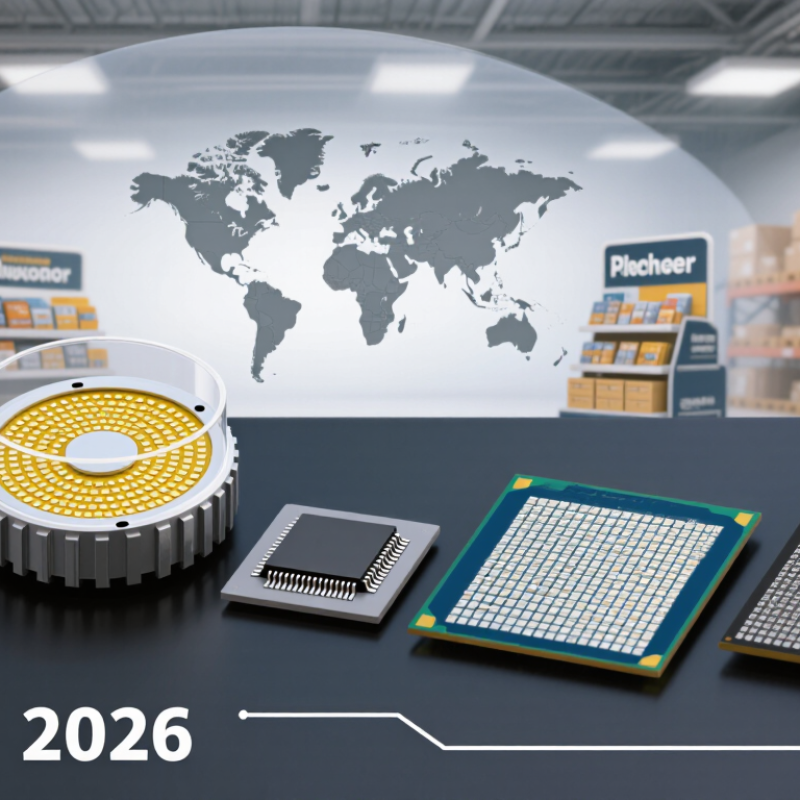
This guide examines key Led Technology types, including SMD, COB, CSP, MiniLED, and MicroLED, alongside OLED where relevant to display applications. Each has trade-offs. SMD packages offer flexible layouts; COB modules create a dense, continuous light source. MiniLED can improve local dimming in screens, while MicroLED promises fine pixel control but may involve higher cost and complex manufacturing. Promises are not proof.
For a reliable comparison, buyers should review test conditions, not just headline specifications. Check lumen output, efficacy, color rendering, driver compatibility, heat management, and warranty terms. Ask suppliers for current datasheets and independent test reports. A quoted lifespan can depend on temperature, current, and maintenance; it is not a guarantee for every installation. This detail is easy to miss.
The right choice also depends on local voltage, climate, project scale, and available technical support. No single technology wins every job. Even a carefully selected product can disappoint if its optics or controls do not suit the space. This overview offers a practical starting point, while leaving room for project-specific checks and a few unresolved questions.
How LED Technology Works and What Defines Its Performance
An LED produces light when electrical current moves through a semiconductor junction. The semiconductor’s composition helps determine the emitted color, while phosphor coatings can convert blue light into white light. The chip alone does not define performance. Its package, lens, circuit board, and power supply all affect how efficiently and consistently a fixture operates.
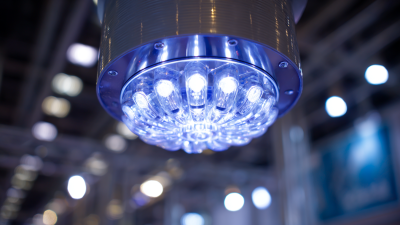
SMD LEDs place separate chips on a surface-mounted board, offering flexible layouts and manageable replacement. COB designs group many chips closely, creating a compact, even-looking light source. MiniLED and MicroLED use much smaller emitters, but their benefits depend on the application and supporting electronics. Heat matters. Poor heat removal can shorten service life and cause brightness or color to shift. In product specifications, compare measured output, efficacy, color temperature, color rendering, and rated operating conditions rather than relying on one headline figure. A small test in the intended room can reveal glare or uneven illumination that a datasheet misses. It is tempting to treat higher output as better, but that is not always true. For buyers, consistency between batches and transparent test methods deserve attention too; specifications can still leave practical questions unanswered.
2026 Top LED Technology Types for Global Buyers
How LED Technology Works and What Defines Its Performance
LEDs emit light when electric current passes through a semiconductor. The chart compares representative peak wavelengths for common colored LED types with the CIE photopic sensitivity of the human eye at those wavelengths. Sensitivity is normalized to 1.0 at 555 nm; it indicates how the eye responds to radiant energy, not the LED’s actual efficiency or brightness.
Actual LED performance also depends on chip materials, drive current, temperature, optics, and thermal management. White LEDs commonly combine a blue LED with phosphor, producing a broader spectrum than the single-wavelength examples shown here.
Major LED Types Available to Global Buyers in 2026
Global buyers in 2026 will find several distinct LED types, and the labels do not all describe the same thing. SMD LEDs suit bulbs, panels, and signs where flexible layouts matter. COB LEDs cluster many chips on one board, creating a compact, bright light source. CSP packages remove a separate casing, which can help reduce fixture size. Small differences matter.
OLED panels emit light across a broad surface, making them useful for thin displays and decorative lighting. Mini-LED and micro-LED technologies target high-contrast displays, though availability and cost vary by application. UV and infrared LEDs serve specialized tasks, such as curing and sensing, rather than everyday room lighting. A specification sheet may blur these categories, so check the package type and intended use.
Performance claims need context.
The U.S. Department of Energy’s Energy Saver guidance reports that residential LEDs use at least 75% less energy and last up to 25 times longer than incandescent bulbs. Those figures compare broad lamp categories, not every LED product under identical conditions. Buyers should also compare measured efficacy, color temperature, heat handling, and dimming compatibility. A bright sample in a showroom can still perform differently inside a sealed fixture.
Key Differences in Efficiency, Color, Lifespan, and Cost
2026 Top LED Technology Types for Global Buyers
Efficiency, color, lifespan, and cost vary by LED design. Phosphor-converted white LEDs are common for general lighting and often deliver strong efficacy at a moderate price. RGB LEDs create saturated colors, but mixing red, green, and blue can reduce efficiency when producing white light. COB describes how chips are packaged, not a guaranteed efficiency class. Check the product’s measured lumens per watt, color-rendering index, and thermal design instead of relying on its label. The U.S. Department of Energy’s 2020 Lighting Market Characterization found LEDs made up about 48% of installed U.S. lighting stock, showing how established the technology has become.
Lifespan claims need scrutiny. Heat trapped in a compact fixture can shorten useful life, even when the LED package itself performs well. IES LM-80 measures lumen maintenance; TM-21 uses those results to project it. Neither alone tells you how long the complete fixture will last. Upfront costs also differ: tunable-white and RGB systems add controls, while basic white LEDs are usually simpler. DOE notes that LEDs use at least 75% less energy than incandescent lighting, but that comparison does not mean every LED type has equal operating costs.
Tips
Compare delivered lumens per watt at the intended color setting. Ask for LM-80 and TM-21 documentation, and check whether the warranty covers the driver. One detail buyers sometimes miss: color consistency across batches can matter as much as peak brightness.
How to Evaluate LED Technologies for Global Sourcing
Choosing an LED technology for global sourcing starts with the application, not a headline efficiency figure. Compare light output at the expected operating temperature, then check color rendering, color consistency, and rated lifetime. Numbers need context. A high initial lumen value may not tell you how the fixture performs after hours of heat in a narrow enclosure. Request test reports and confirm that their conditions match your intended use.
Evaluate the complete assembly, including the driver, optics, heat sink, and housing. Test the actual assembly. A small sample can reveal glare, uneven color, flicker, or excess heat that a data sheet misses. Check input voltage, dimming compatibility, and applicable safety and performance requirements in each destination market. Also ask how production lots are tracked, how specifications are controlled, and what the warranty excludes. Lead times and minimum order quantities matter, but a low quote is not automatically a reliable supply plan. I would still question any forecast that sounds too certain: components, shipping, and test results can vary. Record sample results and agreed tolerances before approving bulk production.